
In search of the next sharing success, investors back pet sitters
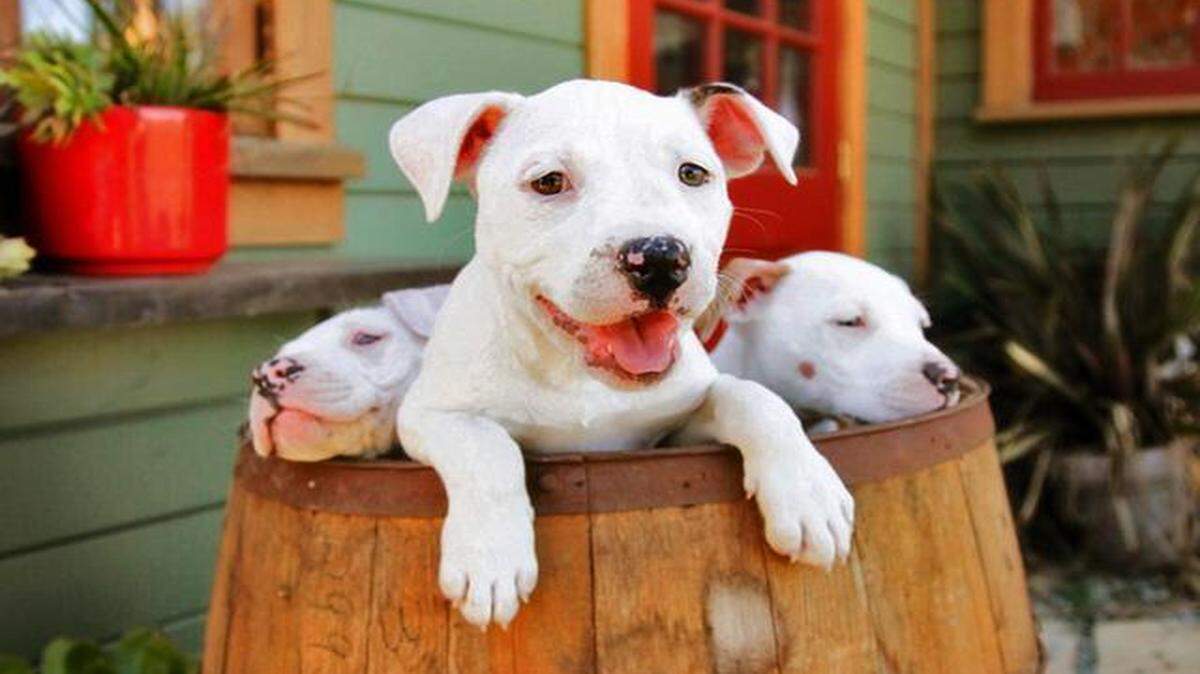
The next big success story in the sharing economy? Try pet sitting services.
Some investors fueling the competition between ride-hailing services Uber Technologies and Lyft are supporting rivals in pet sitting.
Rover.com of Seattle on Thursday announced a $25 million investment, bringing its total funding to more than $50 million. That puts it ahead of DogVacay.com of Santa Monica, Calif., which said it has raised $47 million. The pet sitting startups are another example of the way people are using their cars, homes and spare time to provide services and earn money through marketplaces such as Uber, Airbnb and Instacart.
People own 83.3 million dogs and 95.6 million cats in the U.S., according to the American Pet Products Association. Pet owners will spend $2.7 billion on boarding this year, according to market researcher IBISWorld, though investors such as David Yuan said the figure doesn’t include millions of owners who rely on friends and family rather than a kennel.
“People see dogs and cats as their children, and they don’t want to put them in a cage,” said Yuan, general partner at Technology Crossover Ventures in Palo Alto, Calif., which led the $25 million round for Rover.com.
Investors put $4.93 billion into 71 deals in 2014 related to the sharing economy, up fivefold from the previous year, according to a January report by AGC Partners. The backers are searching for online companies with success like those that have dented the taxi and hotel industries.
For instance, Andreessen Horowitz has investments in Lyft and DogVacay.com. Menlo Ventures has money in Uber and Rover.com. Sherpa Ventures put money in Uber and DogVacay. Even actor Ashton Kutcher, an Uber backer, invested in Rover. Bloomberg LP, the parent of Bloomberg News, is an investor in Andreessen Horowitz.
Ride-hailing companies taught investors that the market can be much bigger than the existing options if the new service improves convenience, price and experience, said Venky Ganesan, a managing director at Menlo Ventures, which has money in Uber and Rover.
“The biggest concept is the shadow economy,” Ganesan said. “Nine times out of 10, people don’t use kennels. Rover is going after the shadow market, and that’s what is much bigger than people realize.”
Rover and DogVacay list screened pet sitters who can be sorted by geography and availability similar to Airbnb’s collection of rooms available for overnight stay. Both charge an average of around $30 per day, taking 15 percent with the balance going to the pet sitter, though prices can be much higher in cities such as New York and San Francisco. Customers get reviews of pet sitters, as well as photo sharing that lets them see their pets through the day.
Rover.com said it has 40,000 pet sitters in 10,000 cities. DogVacay has 20,000 pet sitters in 3,000 cities in the U.S. and Canada and has booked more than 1 million overnight stays since its 2012 debut, said Katie Woods, a company spokeswoman.
Venture capital will help each company increase visibility and develop brand loyalty as customers discover the new marketplaces.
“The companies that get to scale first can establish beachheads that make it difficult for competitors to enter,” said Gee Leung, a partner at AGC Partners who watches online marketplaces. “That’s why capital flows to the perceived winners. It really comes down to getting scale, building a brand and becoming the trusted brand that everyone is using.”
The number of in-home dog sitters will grow as people look to supplement their incomes and marketplaces such as DogVacay and Rover connect them with customers without marketing and insurance costs, said Britanny Carter, an IBISWorld analyst.
Both companies are moving beyond dogs. Rover offers care for cats, horses and snakes. DogVacay on March 10 announced CatVacay.com, its new pet sitting service for cat owners.
“Our biggest competitors today are friends and family and the local kennel,” said Aaron Hirschhorn, who founded DogVacay in 2012 after earning $35,000 over nine months by watching dogs at his home. “Rover is a further validation for this market.”
This story was originally published March 19, 2015 at 10:23 AM.