
Flu season hits the Kansas City area early and hard
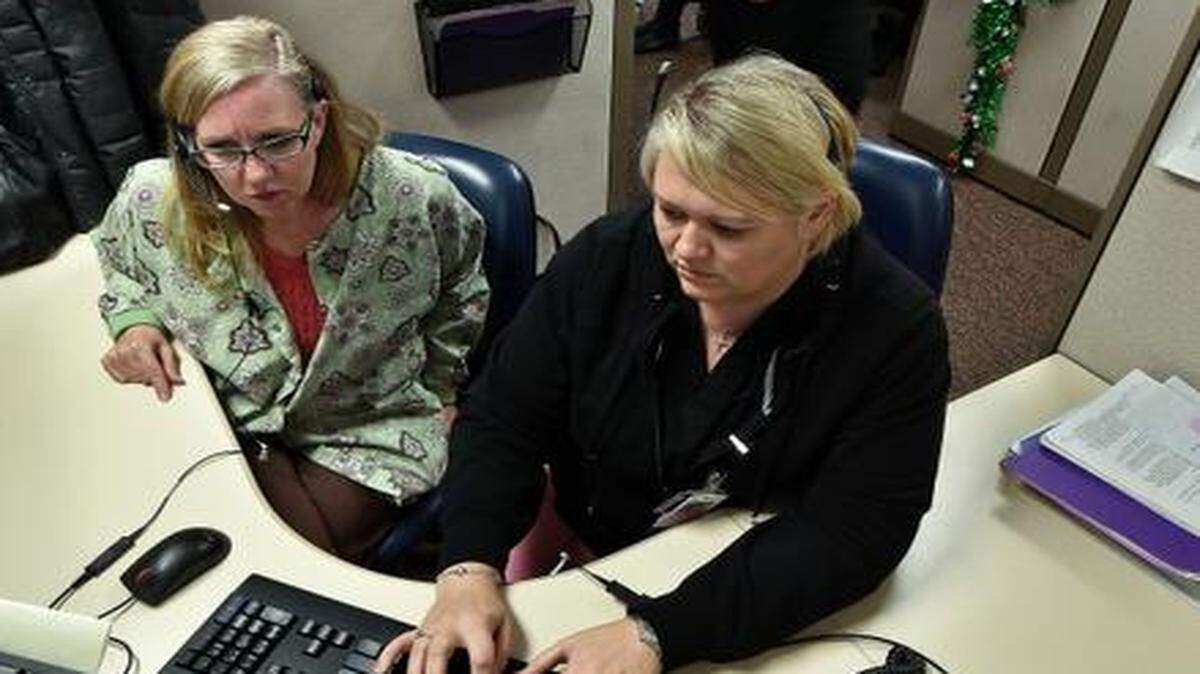
With flu now at epidemic levels nationwide, Kansas City is experiencing its most widespread flu season in years.
It’s filling hospital beds and packing emergency rooms throughout the metro area.
“I’ve been here eight years and I’ve never it seen it at this level,” Lee A. Norman, the University of Kansas Hospital’s chief medical officer, said Tuesday. “Clinics and urgent care centers are glutted.”
KU Hospital has admitted 36 flu patients for treatment so far this season. Two of its patients have died of complications of the flu.
Tracking data from the Kansas City Health Department show that the number of newly confirmed flu cases spiked sharply the week before Christmas to levels higher than at any time during the three previous flu seasons.
The number of new cases was down last week, but will likely rise as more doctors report their findings, health department spokesman Jeff Hershberger said.
“It’s way too early to know for sure,” he said, “whether it’s peaked or not.”
Meanwhile, hospitals are bracing for more patients.
Over the past three weeks, Children’s Mercy Hospital has cared for more than 1,000 patients with the flu at its emergency rooms and urgent care centers. That’s more flu cases than the hospital system saw during the entire previous flu season.
“We’re seeing the highest numbers in probably a decade,” said Mary Anne Jackson, director of the hospital’s infectious disease division. “This may just be the beginning. We’ve yet to see the worst of it, perhaps.”
The seven local hospitals in the HCA Midwest Health system have seen more than 500 confirmed flu cases in their emergency rooms so far this season, including patients who needed to be admitted to intensive care units.
Since the beginning of last week, Shawnee Mission Medical Center, which is not part of HCA, has been admitting about 15 new flu patients per day.
“It’s more than we’ve seen in the past two or three years, and earlier” than past seasons, said Susan Stark, the advanced practice nurse in charge of infection control at the hospital.
Shawnee Mission had to turn away ambulances for a few hours one recent night as it worked through the flu patients in its emergency room.
Such emergency room diversions are common during flu season, said Dan Manley of the Mid-America Regional Council, which monitors diversions. But “they appear to be happening more commonly this year than in some previous years,” he said.
On Monday night, 10 area emergency rooms were on diversion. During the day Tuesday, there were five.
If the number of flu cases continues to rise, some hospital officials said they would consider setting up temporary clinics to meet the demand.
“There is no line in the sand for that,” said Norman of KU Hospital. “But the next two weeks will tell — when we have more patients than beds.”
Data from the federal Centers for Disease Control and Prevention show that flu and pneumonia deaths crossed the epidemic threshold for the first time this flu season during the week ending Dec. 20. So far this season, there have been reports to the CDC of 15 children who have died of flu-related causes. More than 100 children died during the 2013-2014 flu season.
The CDC said flu was widespread through most of the country, except for western states. Doctor visits for flu-like illnesses had reached high levels in Southern and Midwestern states, including Kansas and Missouri.
This season has been marked by concern that a slight, unanticipated genetic shift in the most prevalent flu virus currently circulating has made vaccinations less effective.
“We know we’re seeing disease in vaccinated individuals, and that’s not a surprise,” said Jackson of Children’s Mercy.
But the vaccine may be keeping some vaccinated people from developing severe symptoms, she said. Flu typically causes high fever, body aches and fatigue, as well as coughs and congestion.
The people most vulnerable to dangerous flu complications, such as pneumonia, include the elderly and those who already have medical conditions such as heart or respiratory diseases, said Stark of Shawnee Mission.
“They just don’t have any extra room for the flu,” she said.
Flu symptoms that should send an adult to the emergency room include trouble breathing, chest pain, sudden dizziness, confusion and persistent vomiting. Among children, fast breathing, bluish skin color, not drinking enough fluids, irritability and fever with rash are reasons for an emergency room visit.
While health officials still strongly emphasize the value of a flu shot, they also are asking people to take simple precautions to protect themselves and others from the flu.
Cover coughs and sneezes. Wash hands thoroughly and frequently. Don’t touch your hands to your face, which can serve as an open portal for flu viruses. If you use hand sanitizers, rub them vigorously into your skin.
With the New Year’s holiday at hand, Larry Franken, chief epidemiologist at the Wyandotte County Public Health Department, encouraged people with flu-like symptoms to be considerate.
“A lot of people don’t want to miss out, but try and stay home,” Franken said. “Not just for themselves, but for their family and friends.”
And with schools resuming classes next week, Norman said it is important for parents to keep children home if they are running a fever, and keep them home until they have been fever-free for 24 hours.
To reach Alan Bavley, call 816-234-4858 or send email to abavley@kcstar.com.
To reach Donald Bradley, call 816-234-4182 or send email to dbradley@kcstar.com.
This story was originally published December 30, 2014 at 10:00 PM.