Do I need a tuberculosis vaccine in Kansas? What to know amid ‘unprecedented’ outbreak
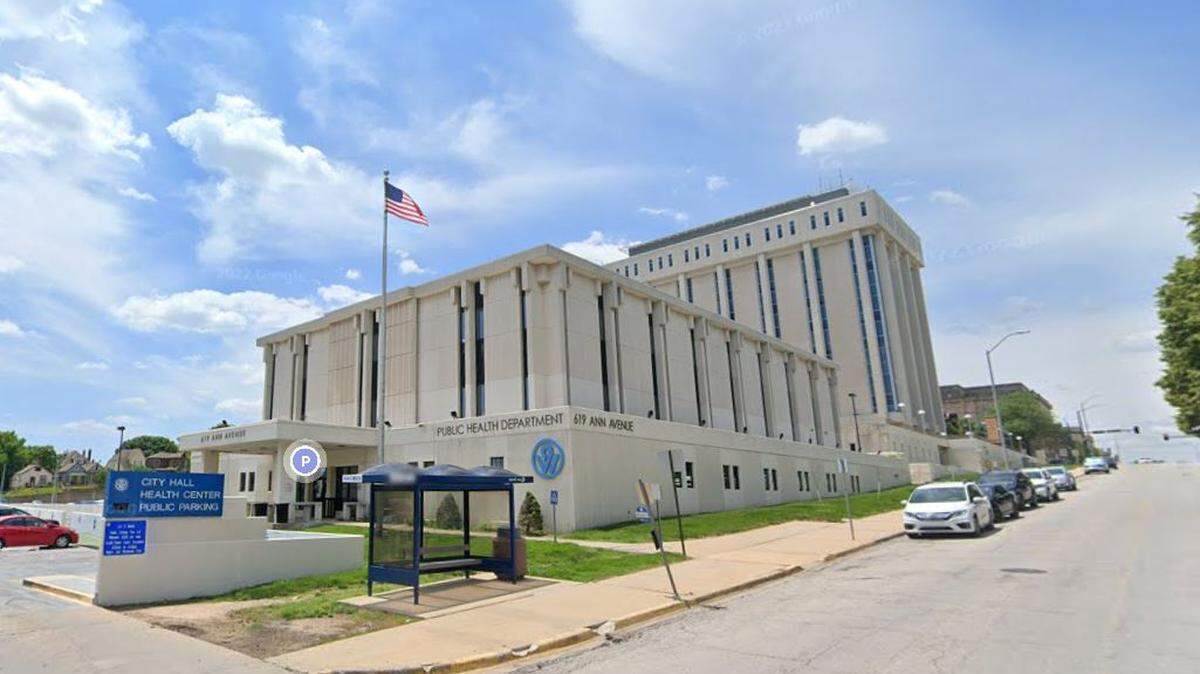
Wyandotte County is currently facing the largest outbreak of tuberculosis in United States, state officials say.
The Kansas Department of Health and Environment reports 67 active infections of the contagious respiratory disease currently being treated and 79 latent infections being monitored, meaning patients are asymptomatic and cannot pass TB to others. Of the active infections, 60 were found in Wyandotte County and seven were found in Johnson County, as of Friday, Jan. 24. The data includes those first identified before New Year, the KDHE said.
Ashley Goss, Kansas’ deputy secretary for public health, called the outbreak “unprecedented” but told lawmakers in January that the number of infections is “trending in the right direction.” Goss said the number of active infections is now at 32.
In comparison, Jill Bronaugh, a KDHE spokesperson, said the agency reported 79 active TB cases, 213 latent cases and two TB deaths associated with the outbreak in the Kansas City area last year.
Is there a vaccine available for tuberculosis? If there is a vaccine, is it required for Kansans? Would it help with the outbreak in Kansas? Here’s what to know.
Tuberculosis vaccines
There is a tuberculosis vaccine available in the United States, but it’s not widely used or recommended, according to the Centers for Disease Control and Prevention.
“The Bacillus Calmette-Guérin (BCG) vaccine is not generally recommended for use in the United States because of the low risk of infection with Mycobacterium tuberculosis (M. tuberculosis), the variable effectiveness of the vaccine against adult pulmonary TB, and the vaccine’s potential interference with tuberculin skin test reactivity,” Bronaugh said.
The vaccine can cause a false positive on a TB skin test. The current vaccine is considered safe, but not effective. The Lancet Global Health, a medical research journal, reviewed 26 studies and found when the vaccine was given during infancy, it was 37% effective against all forms of tuberculosis during their first five years of life, but did not offer protection to adolescents and adults.
Am I required to receive a tuberculosis vaccine?
The tuberculosis vaccine is not required in Kansas for students in kindergarten through 12th grade, according to KDHE. People who are immunocompromised should also not receive the vaccine, the CDC says.
You don’t need to have the vaccine to attend colleges in Kansas, but some do require you to get tested for tuberculosis before enrolling and going to classes on campus, like at the University of Kansas.
Health care workers and immunocompromised citizens are recommended to get tested for tuberculosis. Health care workers are more likely to be around infected patients, while immunocompromised citizens have a higher risk of developing symptoms after they’re infected because the medications they take may make their immune systems weaker, the CDC says.
Symptoms and safety measures for tuberculosis
Tuberculosis is usually transmitted when you’re around an infected person for an extended period of time. The disease can’t be spread by contact with someone’s clothing, drinking glass, eating utensils, handshake, toilet or other surfaces they touched.
Common symptoms of active tuberculosis include:
- Coughing
- Chest pains
- Fever
- Fatigue
- Coughing up blood or phlegm
People who test positive will receive more free testing to figure out if their infection is active or latent. Their local health departments will then work with them to identify any close contacts.
“Generally, if an active person takes ten consecutive days of meds, then they have to have three sputum tests,” Goss said. “A lot of times, they will then be then non-transmissible. Not always.”
When doctors determine the patient’s infection is non-transmissible, they can go back to work and spend time around family without fear of transmitting the disease — as long as they keep taking their medication, Goss said.
Kansans who believe they may have been infected are asked to call the KDHE hotline at 877-427-7317.
The Star’s Matthew Kelly contributed to this report.
This story was originally published January 28, 2025 at 4:00 PM.