
We can’t sleep because of COVID and the election. This weekend it will get even worse
The next few days are about to magnify a health problem that’s plaguing bedrooms across the country. As a nation, we’re coming up short.
We’re just not sleeping well.
Anxiety over a contentious election season and the coronavirus haven’t helped. Sleep experts have nicknamed our new sleep problems: “coronasomnia.”
Twenty-two percent of Americans polled in a new survey by the American Academy of Sleep Medicine report they’re sleeping worse than they did before the pandemic.
And, nearly 1 in 5 U.S. adults are also experiencing more disturbing dreams during the pandemic.
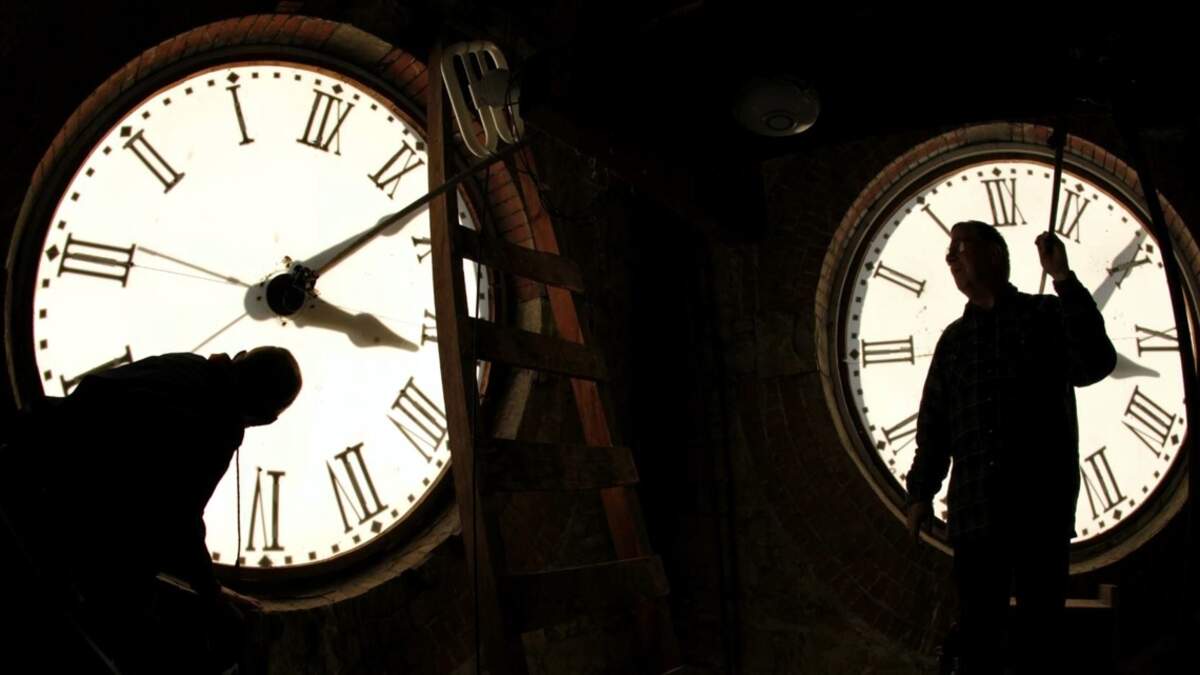
Those sleep problems are about to get even worse when we set our clocks back one hour as daylight saving time ends at 2 a.m. Sunday, physicians warn.
“Even before the pandemic kicked in, we as a country … have a serious problem with our sleep. This country is sleep deprived,” said Dr. Abid Bhat, medical director of the Center for Sleep Health at Truman Medical Center, which has opened a second hotel-based sleep lab at Stoney Creek in Independence.
Time changes can disrupt our body’s internal clock and sleep patterns. Over the coming week, people might find themselves waking up earlier and getting drowsy behind the wheel when driving home in the dark. Law enforcement agencies warn motorists about the higher incidence of car crashes during the late afternoon commute for two weeks after the time change.
The Academy of Sleep Medicine has called for the elimination of daylight saving time to protect the public’s health and safety, arguing that switching to a permanent standard time would align with the human body’s internal clock.
“We assume that we’re going to gain one hour. Most of us don’t,” said Bhat, an academy member. “And it takes up to maybe a week or so for a person to recondition, or realign their sleep cycle. It does impact. (Daylight saving time) was meant for a good reason, but honestly, the time has come for us to let it go.”
He said most people ignore sleep as one of the three essential keys to good health — eating well and exercising are the other two. The pandemic has made getting that good night’s sleep even more vital because lack of sleep can weaken the immune system.
People who don’t get good sleep, or enough, are often more likely to get sick when exposed to illnesses including pneumonia and the common cold.
But how do you get that good sleep? Bhat offered five ways.
Put down the cellphone
Sleep doctors tell patients that the bedroom should only be used for two things: sleep and sex.
People are said to be spending more “screen time” in front of their computers and cellphones during the pandemic. But you really need to turn off the electronics, the TV too, at least 30 minutes before you go to bed, said Bhat.
“Let’s ask ourselves, why do we sleep at night when it’s dark?” he said. “Light that shines on our eyes tells the brain it’s daytime, it’s wake-up time. When you’re in bed at 11, at midnight, the light coming from the screen tricks the brain that it’s still daytime … basically telling the brain it’s not time to go to sleep.”

Take a nap
A daytime nap is a “treasure,” Bhat said. “I wish I could have naps every day. It’s not possible because I’m at work. But on weekends I do take naps. And when I say nap, it means a 20-minute nap.
“I see people coming in and they say, ‘I nap for two hours.’ That’s not a nap. That means you are sleepy and you are sleeping those two hours.”
The idea is not to fall into a deep sleep, but rather a light sleep “where you wake up feeling recharged, fresh,” he said. “If you tend to prolong your sleep beyond 20 minutes, 30 minutes, one hour, now you’re going to go into deep sleep, and when you waken from that … you’ll feel more groggy, more sleepy. It’s called sleep inertia. You don’t want to do that. So there’s a very fine line here.”
And don’t nap in the bedroom, he said. Save that room for night slumber.
Seven to nine hours of good sleep each night is still the gold standard for most adults, according to the Mayo Clinic. Teens need nine to 10 hours, and younger children may need 10 hours or more.
Release those triggers
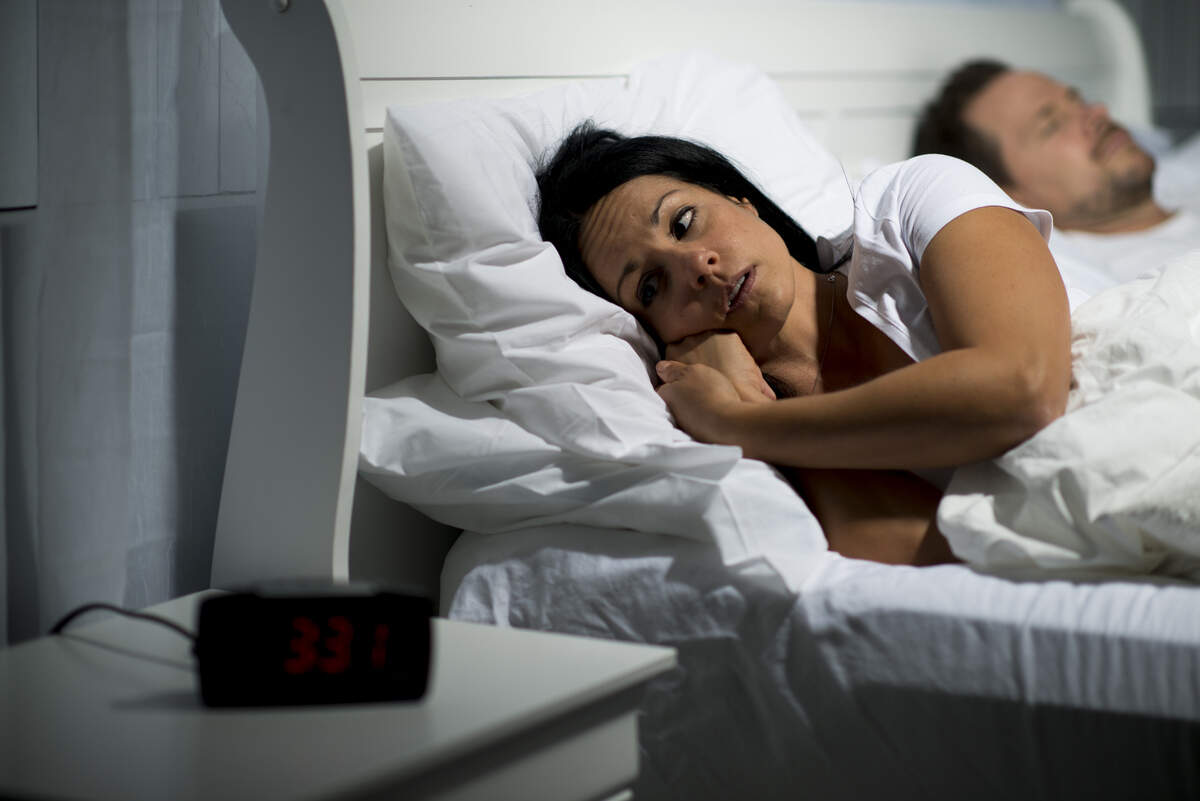
“Many people say, ‘Gosh, when I hit the bed I have all these things coming into my mind, my mind starts racing and I cannot stop because I have 10 things going on in my mind,” said Bhat.
He tells them to pick a time during the day — late afternoon, for instance — when they can sit in the living room and think about those things that would be swirling around in their head in bed.
“Face them. Face the onslaught,” said Bhat. “What you’re doing is you’re kicking those triggers out from your bedroom to your living room. When you keep doing it for a few nights in a row — it’s not going to happen in one night, I’m not a magician — these things work if you are consistent.
“So if you keep doing it for four or five nights, what you’re telling your brain is that when you go to bed, I’m done with it, we already took care of it.”
Keep a consistent bedtime
Try to go to bed and wake up at the same time every day, even on weekends. That will be especially important over the next few days after the clocks get set back an hour. With consistency you should be able to get your body back on a regular sleep schedule in five to seven nights, Bhat said.
Relax before bed
A half hour before you go to bed, do something that relaxes you. And that doesn’t involve checking Twitter.
“I wouldn’t want to look at social media and reading about what’s going to happen if the results of the election happen this or that side. Because that triggers anxiety in the brain and the brain doesn’t settle down,” said Bhat.
“It’s not a flip-flop like when you switch the TV on or flip the lights on. It’s not that. The brain needs some time, there’s a gray zone, there’s a transition zone.”
So he tells patients to do something they enjoy, be that meditation, taking a warm bath, listening to music. “I listen to Bollywood music, that’s my favorite,” he said. “It helps me, reminds me of my young days. I had no worries.”
What about waiting up Tuesday night if election results come in late? Should we?
“It’s a very challenging question,” said Bhat. “You may be curious to know at 10:30 … gosh, should I or shouldn’t I look at this. You’ll have that subconscious urge to see what the results are.”
He’s going to wait up if need be, just as he did the night of this year’s Super Bowl when he didn’t fall asleep for two hours after the game. The next day he went right back to his regular sleep schedule.
“It’s just that one night,” he said. “Having bad sleep once in a while is nothing to worry about. That’s one thing as a physician I want people to know. One bad night in one month, it’s OK. Don’t lose sleep because you lost one night.”
This story was originally published October 30, 2020 at 5:00 AM.
.jpg)