
Pregnant in a pandemic: Kansas City area moms-to-be have no visitors, lots of anxiety
Two weeks ago, Lauren Weeks stared down a pregnant woman’s worst nightmare. She couldn’t feel the baby move, at all, for 24 hours. Nothing she did — not eating ice cream, not walking around the house at 4 a.m. — encouraged even a wriggle.
She texted her doctor, who told her: Go to the hospital now.
During a harrowing drive from her Lee’s Summit home to Truman Medical Center Lakewood, she prayed and cried and tried not to dwell on the possibilities: “Did we lose her?”
But walking into the hospital only worsened the anxiety.
She was stopped at the door, quizzed about any recent travel and asked if she had a cough or fever. She was handed a blue surgical mask.
“It would have been scary regardless. But then when you’re having to put on a mask it added to the scary feeling,” said Weeks.
The coronavirus pandemic is bringing added stress for expectant mothers, some of whom wish they could keep their babies tucked safely in utero until the chaos passes.
They worry most about their babies’ safety: Can I pass COVID-19 to my newborn?
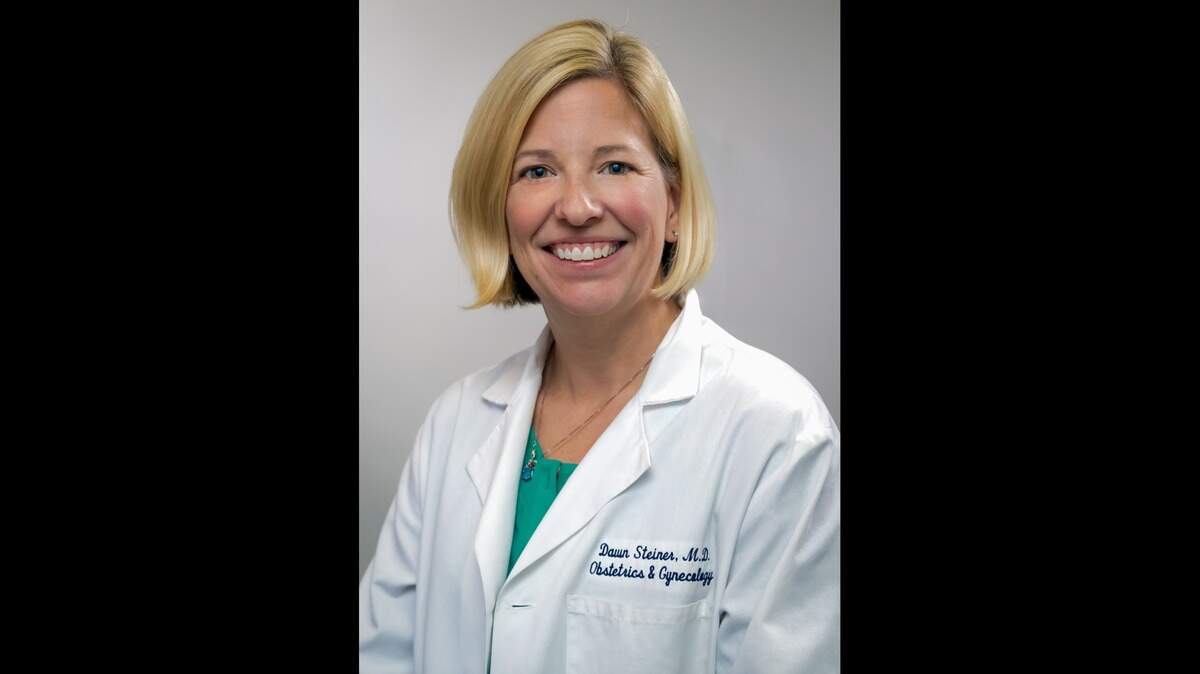
“I think what is tough is that pregnancy is a very exciting time. But it can also be a time of very high anxiety, and COVID adds to that element of anxiety,” said Dawn Steiner, an obstetrician/gynecologist who is medical director of Truman Medical Centers’ University Health Women’s Care.
“There is a lot we don’t know about COVID and that we’re learning every day. It’s constantly changing.”
The temporary restrictions of social distancing have crushed the human-to-human connections women rely on during pregnancy. For some, it feels like almost everyone important in their lives is being kept more than six feet away.
They are spending less time with their doctors in the office and more time with them online. Lactation and postpartum depression support groups can’t meet, so those are online, too.
There are no visitors allowed on birthing units, and some hospitals have cut the number of nurses and others who go in and out of mom’s room. Sorry, chaplain.
Grandparents are meeting their grandbabies via the videoconferencing of Zoom. Sorry, Grammy.
“Those first two or three days (of having a baby) are probably my favorite days of my entire life,” said Erin Symmonds of Kansas City, whose second baby is due in late June. “You’re basking in this emotional bliss of having this newborn and everyone you love is coming by to wish you congratulations and to see the baby.
“I just loved it. And I’m sad that that’s probably not going to happen with this one.”
So many changes
After the virus struck, hospitals and doctor’s offices went into lockdown, installing screening procedures and limiting those who enter.
Hospitals banned all visitors with just a few exceptions, such as end-of-life situations.
“We didn’t find out the gender with either of our kids,” said Symmonds. “That moment when the dad gets to go out there (to the waiting room) and go ‘It’s a …!’ That won’t happen.”
Local hospitals have also limited expectant mothers to having one support person with them before, during and after delivery.
“I’ve worked here for over 21 years and we’ve been through H1N1, Ebola,” said Raimonda King, administrative director of Birth Center and Children’s Services for AdventHealth Shawnee Mission. “But COVID-19 is totally different than what I have seen in my 21 years in health care and working at this hospital.
“And I think the biggest difference is there isn’t a lot of research behind (the virus) so it’s creating a lot of anxiety for our parents. So we have taken a lot of steps to make sure that we are able to reassure them of all of the changes that we have made.”
Pregnant women are seeing those changes long before they deliver. Obstetricians have reduced office visits to limit their patients’ exposure to the virus.
“A lot of our visits, when possible, are being done virtually so we can touch base and identify if there’s a need to see someone in person, then obviously addressing that need as necessary and continuing to keep people safe,” said Kristen Wootton, medical director of the Women’s & Children’s Division for Saint Luke’s Health System, and an OB/GYN.
“That concept of seeing (patients) virtually versus in person, is very different from anything we’ve ever practiced in obstetrics before.”
Carrie Wieneke, head of Obstetrics and Gynecology for the University of Kansas Health System, said doctors there are trying to streamline visits.
“Pre-COVID days, you might very well come and see your obstetrician one day and two days later come back for your ultrasound. So we’re trying to pair those together, which does decrease the number of times you see us face to face,” Wieneke said during a recent media briefing. “We’ve been doing a lot of phone calls and talking to patients.”
‘Going to be different’
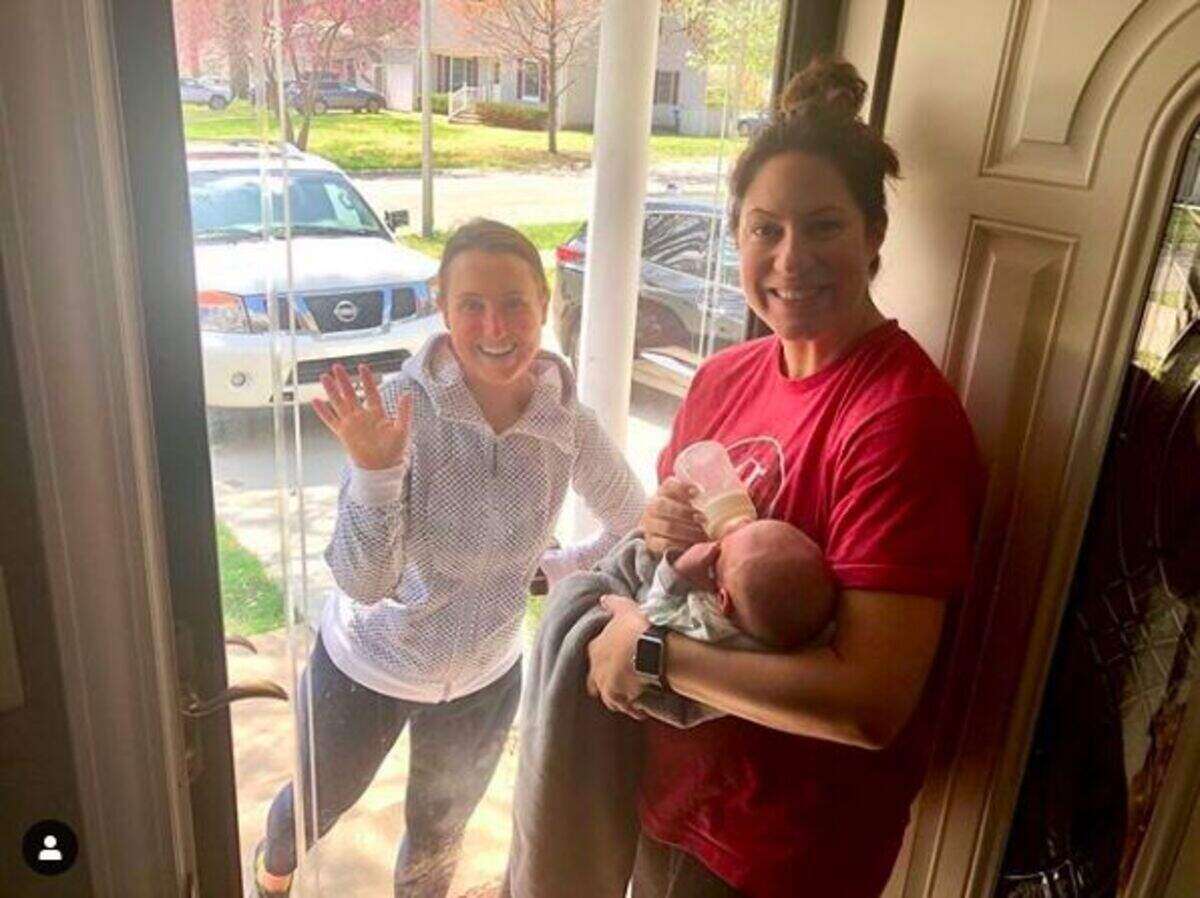
Jackson Dunn has his own Instagram account.
He’s not even three weeks old.
A couple of months ago it became clear to his mom, Christa Dunn, and her friends and colleagues that “our pregnancies were going to be different,” said the 34-year-old fifth-grade teacher who lives in Prairie Village.
“Some of my friends who are due around the same time were getting suggestions about induction … basically getting in and getting out of the hospital was the goal for some friends,” she said.
She was induced, then had an emergency C-section on March 27.
Her husband, Greg, was with her. They knew before they got there that once he was on the unit he couldn’t leave, not even to get food, because if he left he wouldn’t be allowed to return.
It’s the same rule at many hospitals, a safety requirement to reduce exposure for mother and child. “We are asking that the support person stay,” said Wootton at Saint Luke’s. “We know how important it is to have a support person for a laboring mom, and so we would like that person to stay and continue to be a support person.
“We do know that when someone leaves, they are obviously increasing exposure to themselves and potentially bringing it back and exposing staff and other patients and their loved one.”
In those two-and-a-half days they spent at Liberty Hospital, they were too focused on their new son to watch TV or spend much time on social media. It was the one time during her pregnancy, Dunn said, “that you felt isolated from the coronavirus exposure.
“So besides all the nurses … being in masks, it was almost nice being in an isolated bubble away from the chaos.”
Now that they’re home, they have new concerns about how to keep Jackson, and themselves, safe. They know that if one of them gets the virus they will have to be isolated, away from their son.
When Greg runs errands — not many since they’re having groceries delivered for now — she reminds him to wear a mask and gloves.
The thought of her baby being alive in a world that is momentarily upside down makes Dunn weep.
“It’s so frightening now … with someone so vulnerable,” she said through tears in a phone interview.
She made Jackson an Instagram account so out-of-town family can watch him grow since they can’t snuggle him, breathe in all that new-baby smell.
It’s crazy, she said, that about a year ago they were having the wedding of their dreams at the Arvest Bank Theatre at the Midland with all their family and friends, and now none of them can come meet her “new precious baby.”
“We’ve been FaceTiming,” she said. “And we had friends come to the porch and look through the glass.”
No baby pictures
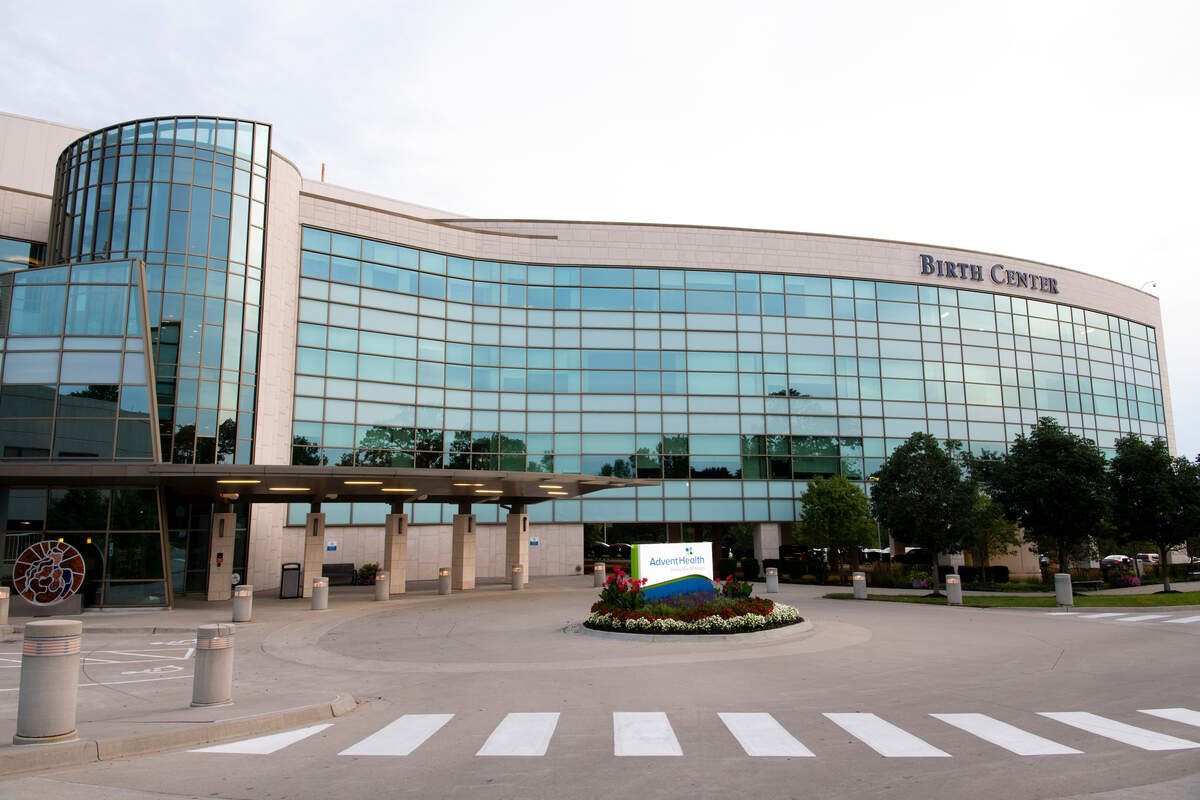
Pre-COVID, expectant mothers could tour Shawnee Mission’s Birth Center through its Maternity Navigator program. For now, that information is shared over the phone “so we didn’t have to bring the moms in,” said King.
The four-story birthing center — its “own little world” with an entrance separate from the hospital, said King — has also limited the staff allowed in each mom’s room.
The folks from nutrition services bringing the food can no longer enter, nor can the chaplain, the person gathering the information for the birth certificate, or the company contracted to take baby pictures.
“There were maybe 13 people that would go in and visit a mom on her first day postpartum,” said King. The number has been reduced to about five.
The labor and delivery process itself hasn’t changed much, except for a new recommendation at some local hospitals that women wear masks.
“We are encouraging that,” said Wootton at Saint Luke’s. “Obviously there are certain situations where the mask might be more difficult to wear when you’re pushing for a while and you may feel short of breath. …
“So we are asking them to use it to their comfort point … and we have had patients who have been able to wear the mask throughout the process and do fine, and others who have asked to intermittently take the mask off to take some deep breaths and feel more in control of that.
“In the meantime, the rest of the staff in the room is still wearing their personal protective equipment so it is still considered safe.”
‘Breaking point’
Erin Symmonds has spent little time outside her house in Brookside since mid-March, the day of her most recent doctor’s appointment. Her second baby is due on June 28, and on top of everything else she is at high risk for suffering the worst complications of COVID-19.
“I have an auto-immune syndrome, with lung involvement, so I think the thought of getting sick and it affecting my baby has been very petrifying,” said Symmonds, a psychologist in the North Kansas City school district. “We are very quarantined.
“My husband has started doing all of the shopping. I literally do not leave the house except to go on a walk.”
All the hand sanitizer and masks at her doctor’s office remind her that she’s pregnant during a public health crisis. So does the fact that she had planned to sign up for a breastfeeding class because she had trouble the first time, but in-person classes are canceled.
Because of her weakened immune system, her doctor told her not to leave the house for 12 weeks, if possible, because there’s not enough information on how the virus might complicate a pregnancy, she said. She’s been holed up ever since.
“The last visit I had I could tell he was just genuinely worried for his patients. You could just see that compassion coming through him,” she said. “I could tell he was worried about the unknown and he was worried about us. I just think you connect on a humanity level at that point.”
Last week, she hit a “breaking point.”
“I ended up taking an hour-long bath and just blasting spiritual music and Josh Groban as loud as I could. And I had a good, cathartic cry and I feel better today, like, ‘We got this. We’re all in this together,’” she said.
She said she is “absolutely” worried about suffering postpartum depression.
“As a new parent your hormones are everywhere and part of being a human is connecting with others, and that’s being significantly limited at this point,” said Symmonds. “I worry about myself and other moms for that reason.”
The medical community is keeping an eye on that possible fallout as well. The signs of postpartum depression for new moms to watch for, said Steiner, include being more tearful about normal activities, having trouble sleeping, just not feeling like yourself or having thoughts of harming yourself or someone else.
The Birth Center at AdventHealth Shawnee Mission has already seen signs that new moms might need extra help right now. It has a postpartum emotional support coordinator leading a group that pulls members from across the metro area. The group can’t meet in person right now, but members come together online.
Last week, the postpartum virtual gathering, and the breastfeeding support group, had a lot of participants, said King.
Am I at risk?
On April 1, the governor of Connecticut announced that a 6-week-old baby who tested positive for the coronavirus had died. It was one of the youngest COVID-19 deaths anywhere. State health officials cautioned, however, that the baby’s death might have been caused by underlying conditions.
So are mother and baby at particular risk for COVID-19?
Wootton said data about how the virus affects pregnant women “is constantly coming in … almost on a minute-by-minute basis. Historically, we’ve been able to make generalizations about how the process affects pregnant women — you’ve had hundreds of thousands of data points — and we just don’t have that available to us yet.
“So we don’t know exactly all of what we’re going to potentially see as a result of COVID. We know that in general pregnant women are a vulnerable population, especially to respiratory infections, and we are taking that into consideration when we are taking care of our pregnant population.
“But we aren’t really seeing anything (to) say COVID is putting mom or baby at risk for, as of right now.” And that’s the official word from the American College of Obstetricians and Gynecologists.
Wieneke said it does not appear that a pregnant mom can pass the virus to her baby, “which is really encouraging to us, and we are certainly following that as more pregnant patients are diagnosed nationally. But there has been no documented case of a baby born thought to be positive through either the birthing process or pregnancy.”
Last week the death of a newborn baby was blamed on the coronavirus in Baton Rouge, Louisiana, after her mother tested positive and went into delivery early.
According to the national OB-GYN group, some mothers who have tested positive for COVID-19 have delivered prematurely, but that “information is based on limited data and it is not clear that these outcomes were related to maternal infection.”
Obstetricians want their patients to ask questions and to be cautious about information spread through social media.
“I know that, a lot of times, women don’t want to ask their health care provider because they don’t want to bother them,” said Steiner, who welcomes the questions. “I have been directing them to the (national organization’s) website, as well as the Society for Maternal-Fetal Medicine. They have good information.”
‘Due to the pandemic’
Allyssa Stewart doesn’t want her parents to meet their first grandchild on a computer screen. She is due on June 4 and hopes social distancing will be just a memory by then. She’s keeping tabs on COVID-19 and moms-to-be nationwide on a pregnancy and parenting app called What to Expect.
Her baby shower was supposed to be in St. Louis in a few days. The person throwing it sent letters to guests explaining that the party’s been canceled “due to the pandemic.”
People are still sending her gifts. Stewart takes a Polaroid photo of the gifts and her baby bump to tuck into the thank-you cards.
She’s trying to hold onto a positive mantra of “don’t worry about things you can’t control.” But it’s hard when dealing with the new normal; her husband hasn’t been to any of her appointments since January because he’s not allowed.
“But I could see it spiraling out of control pretty quickly thinking, what if you’re in the hospital and you catch it or the baby catches it or what if I have it and then they won’t let me hold the baby after it’s born,” said the 29-year-old Kansas City resident, who plans to give birth at Research Medical Center.
“Those fears kind of creep in because I have read stories where they took the baby from the mom because mom had it and baby didn’t have it and they didn’t want the baby to get it when mom breathed on baby.
“But I try not to focus on those thoughts. I think more about, it will be OK, he’ll be healthy. Hopefully.”
No visitors, please
Hospitals are sending new moms home with instructions to restrict visitors. That means no one should be around the baby except the parents and other people, such as siblings, who already live in the house.
“I think the same sort of ideas of social distancing need to take place,” said Wieneke with the KU hospital system. “Everyone wants to show off their new baby but (we’re) certainly encouraging moving to FaceTime or Zoom …
“It is important that we not have those babies in close contact with multiple family members. There have been newborns, or young babies, that have tested positive, and it’s believed to be because of the contact after birth, not through the delivery process.”
Lauren Weeks recalled something she saw posted on Facebook recently about how pregnant women “are not meant to be alone in this process. We’re just kind of being forced do to that.”
As it turned out, her unborn baby was just taking a very deep nap when Weeks rushed to the hospital in tears. She’ll go back to the hospital on Thursday to be induced, but she already knows this second go at childbirth will not be like her first.
“It’s not normal. It’s not a normal experience at all,” said Weeks, a Kansas City International Academy teacher.
Four years ago she had so many hospital visitors she had to call people and ask them not to come so she could get some sleep. There will be no visitors this time.
If her doctor won’t allow the baby to have visitors at home she’ll use Zoom and FaceTime, but “it’s not the same as holding the baby. … It’s scary to not know when your own parents are going to be able to hold your own child.”
She also wonders about the trips to see the pediatrician.
“Today my nurse said, ‘I hope by the time you have your baby this has died down enough to where you can actually bring your baby into the doctor’s office for a checkup,’” said Weeks. “I get why they’re doing that. But that’s not the most reassuring thing. You want a doctor to actually see your baby.
“That’s just another hurdle to cross. It’s like no matter what stage of pregnancy you’re in right now, there’s something different to feel worried and scared about.”
She said people asked if she had considered giving birth at home — an option more women are reportedly considering right now.
“I love my doctor and my nurses. I feel safe with them,” she said. “I get other women’s concerns about going to the hospital, 100 percent … having a glimpse of what it’s going to be like really helped me.”
But she did not like wearing the surgical mask while she was there and hopes her doctor doesn’t make her wear it while she delivers.
“It was so hard to breathe. I just wanted to rip it off,” said Weeks, marveling that hospital staff “wear those all day, for hours and hours.”
She was sent home with the mask and told to “keep it in the sunlight to disinfect it” and instructed to take it with her on Thursday.
One morning last week she slipped it on and took a selfie, a keepsake for her new daughter.
See that, baby girl. You were born during a pandemic.
.jpg)