
Review of patients Truman deemed eligible for KC subsidy found 68 percent might not be
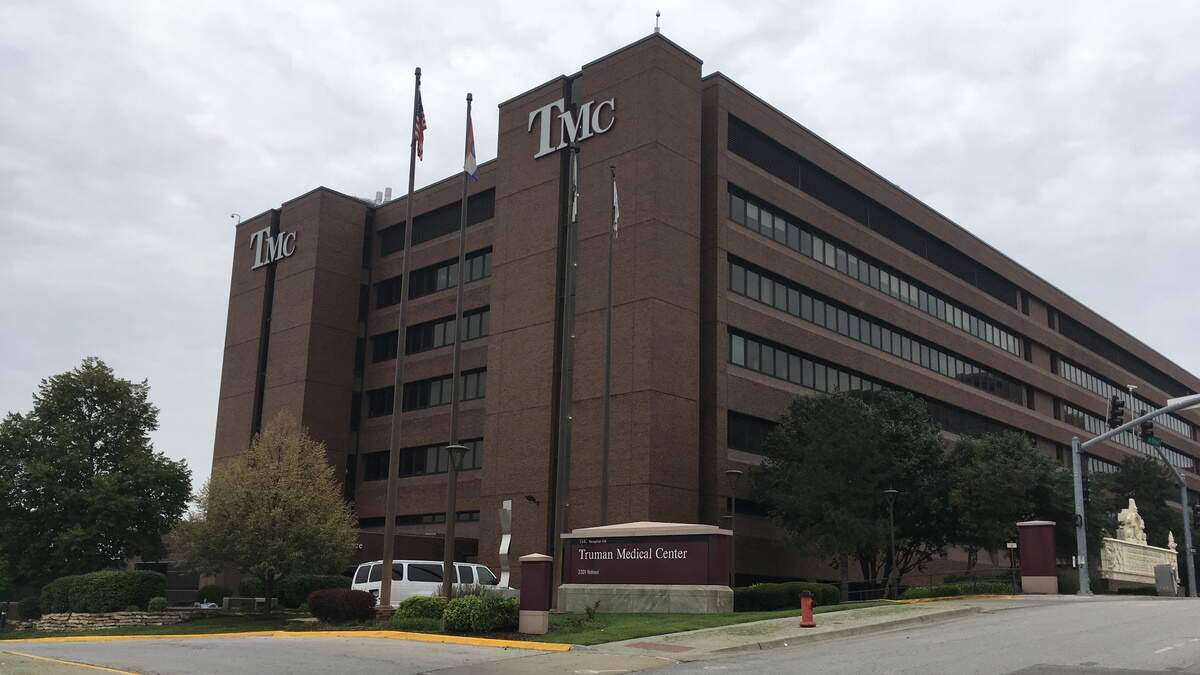
Truman Medical Center is working with the Kansas City Health Department to fix its process for determining whether patients qualify for a city subsidy, after a review found almost 70 percent of those the hospital deemed eligible didn’t prove they were eligible.
The review is conducted annually to determine Truman’s compliance with the contract it has with Kansas City. Truman agrees to treat residents of Kansas City regardless of their ability to pay, and in exchange the hospital gets money from a city health levy paid for by property taxes.
The number of visits Truman reports from patients who qualify for the health levy is a factor in how much money the city pays the hospital, so health department officials say it’s important to make sure the count is accurate.
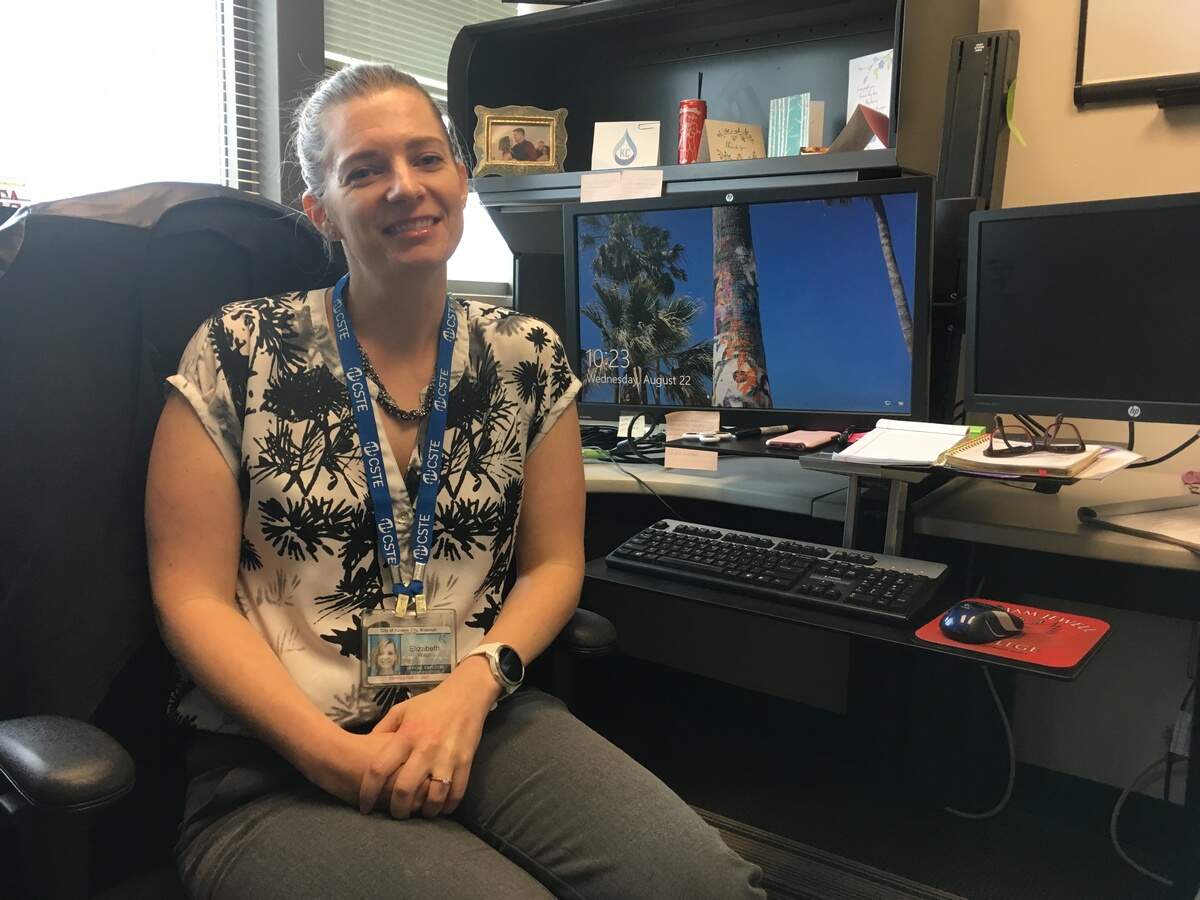
“Our main focus is just maintaining the transparency and accountability to the taxpayers and the City Council and we know Truman feels the same way,” said Elizabeth Walsh, a statistician for the health department.
The city health levy was enacted decades ago to help poor people access medical care, and in 2013 voters opted to renew it for nine more years by a wide margin.
In recent years the levy has brought in about $50 million. Some of that goes to ambulance services and safety net clinics like the Samuel U. Rodgers Health Center. But the biggest chunk — about half — goes to Truman.
Last fall an outside auditing firm pulled a sample of 20 percent of the patient visits, or “encounters,” that Truman reported as health-levy eligible between May 2016 and April 2017.
The review determined that in 68 percent of the encounters, patients had not provided Truman the documents required to prove they were eligible.
Truman is subject to the third-party reviews every year. Walsh said she didn’t know exactly what percent of encounters were found non-compliant in past years, but it was not 68.
“That is high and that’s the main reason for the corrective action plan,” Walsh said.
Walsh said ideally Truman would reach zero percent non-compliance, but realistically 10-20 percent is an acceptable range.
The 68 percent who the review found had not proved their eligibility were reclassified as “bad debt,” and the hospital billed them for services. But Nancy Lewis, Truman’s vice president of marketing, said they were contacted several times after that and given more opportunities to prove their eligibility.
“As soon as they bring us their documentation, they are immediately removed from any kind of bad debt list,” Lewis said.
Lewis said Truman doesn’t file suits, seek to garnish wages or send unpaid accounts to collections agencies.
The documents the city requires for health levy patients include utility bills or other mail that proves their residency and tax filings or pay stubs that prove they’re income-eligible.
In a written statement, Truman officials said those are often hard to get, especially for patients treated in the emergency room.
“Nearly all of the time, the patient who tells us he or she does not have insurance or employment does not have written verification of the answers they provide,” the statement said. “They are told they will need to return to us with that verification in order to qualify for financial assistance. In the following months they will receive bills, with reminders that they need to provide verification to qualify for financial assistance. Patients often do not respond to these written requests.”
Still, Truman officials said they’ve been working to address the problem and have taken several steps to improve compliance over the last six months.
They’ve increased their staff of financial counselors, most of whom work in the emergency department, from 27 to 37. They’re now using qualification for other forms of public assistance like food stamps to verify patients are low-income. And they plan to soon roll out an online portal that will allow patients to upload their verification documents after they’ve gone home.
“These efforts are already making a difference in the amount of information we are able to verify,” Truman officials said. “We will continue to identify ways to ensure easy patient access to financial assistance.”
Walsh said the health department understands the difficulty of verifying information for emergency patients, both because they’re unlikely to bring financial documents to an unplanned visit and because federal regulations apply to patient payment requirements in emergency rooms.
She also said the health department and its outside contractor are studying whether reviewing Truman’s health levy determinations by individual patient would be a better method; under the current system, many visits by a single non-compliant patient could skew the data.
But Walsh said Truman agreed that 68 percent is unacceptable and has been “very responsive” in looking for ways to reduce that number.
Walsh said she’s hopeful the next review, set to begin this fall, will provide a clearer picture of Truman’s needs before the City Council sets the next health levy budget.
“From what they’ve reported, when we do the next review we do have confidence we’ll see improvements,” Walsh said.
This story was originally published August 27, 2018 at 5:30 AM.