
‘Substantial degree of risk’: JoCo development bonds in default again
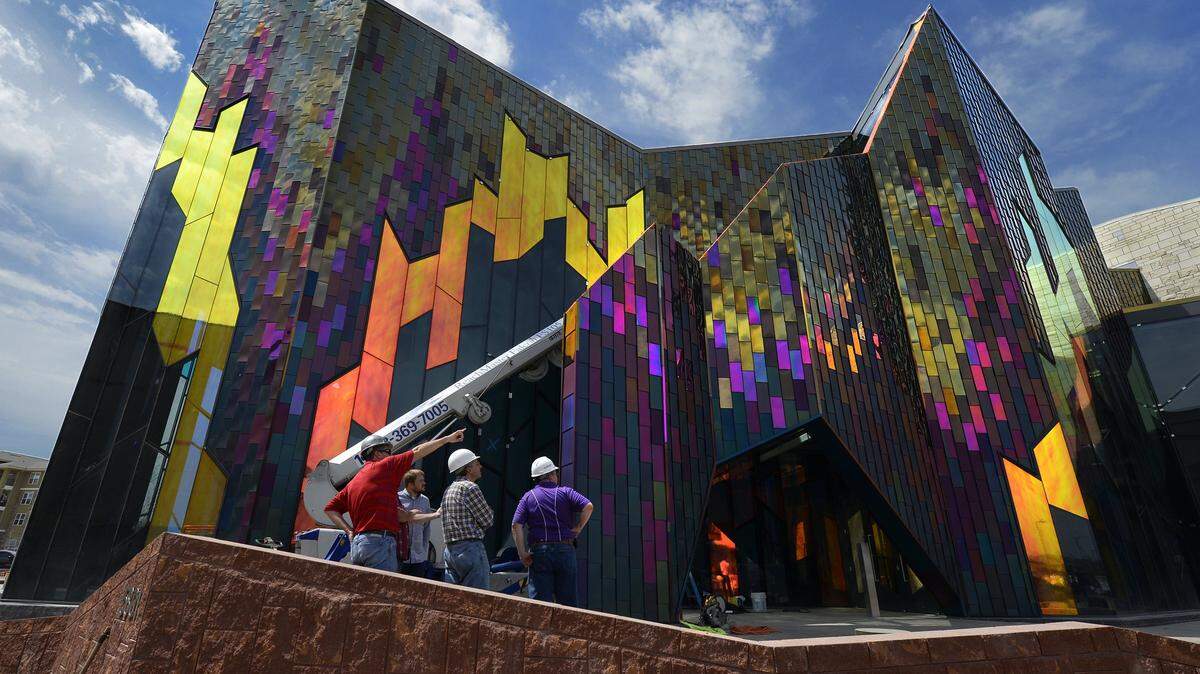
Financing tied to sales tax revenue at Prairiefire, the large mixed-use development in Overland Park, is once again in default — two years after similar STAR bond struggles in the area.
Prairiefire, at 135th Street and Nall Avenue, is anchored by a natural history museum and features retailers unique to the region. The 60-acre development has been up and running for over a decade and has continued to see new tenants and construction announced.
Multiple financing structures were used to support the creation of the Prairiefire development, including sales tax-backed STAR bonds and community improvement bonds, alongside private funding.
Attached to the development is a community improvement district, or CID, a tool that uses a special 1.5% sales tax on purchases in the district to help cover the costs of its development.
The city of Overland Park issued about $14.2 million in bonds for project costs, particularly for infrastructure improvements, going back to 2012. Bonds, which are like a loan with interest, are purchased by investors and are not themselves taxpayer funds.
However, in the case of Prairiefire, the CID bonds are meant to be paid back using revenue from the 1.5% sales tax generated within the district.

But UMB Bank, trustee for the bonds, wrote in a letter to investors this week that while a $3.6 million section of the CID bonds matured in December, a portion of the principal and interest on the bonds remained unpaid. The bank used $678,310 in available funds to cover the difference in principal and interest.
The Kansas City Business Journal was the first to report the CID bond default.
According to legal documents, the city and the state are not liable for the bonds; nor are the bonds secured by the developer’s property, meaning the bank cannot look to sell off the project in the event of default.
And the documents spell out the “substantial degree of risk” on the CID bonds for potential investors and the lack of assurance that the project would be successful.
“We never receive any information or reports regarding sales tax. This is all done by the City and State so we never know the status,” Fred Merrill Jr., the president of Merrill Companies, Prairiefire’s developer, told The Star in an email. He added that Prairiefire is 98% leased.
“The City is aware of the default of the Prairiefire CID Bonds due to outstanding principal debts,” Overland Park spokesperson Meg Ralph said in an email. “The CID bonds are not a general obligation bond, nor are they a City debt. The City does not have an obligation to repay these bonds. The trustee for the Prairiefire CID Bonds will direct all actions related to the defaulted bonds.”
Prairiefire’s STAR bonds
The current situation with the CID bonds is similar to a STAR bond default at Prairiefire in 2023.
Separate from the CID bonds, Prairiefire also used $65 million in STAR bonds to help cover costs of development under a state program. STAR bonds are meant to be paid off new sales tax revenue generated on the site by the new development.
But $15 million in STAR bonds at Prairiefire fell into default in late 2023.
In contrast to Prairiefire, other major STAR bond projects in Kansas have seen their bonds paid off early, including Village West and Sporting Park in Kansas City.
The $65 million in STAR bonds for Prairiefire is now dwarfed by the nearly $2.8 billion in STAR bonds the state of Kansas is now contemplating for a proposed new Chiefs stadium in Wyandotte County and related development in the region, including a training facility in Olathe.
Rather than just drawing on sales taxes from the project area, the Chiefs plan would instead redirect new sales revenue from broad swathes of Wyandotte County and Johnson County.
That reflects the supercharged nature of the Chiefs plan, which marks new territory and a new level of risk and reward for Kansas’ STAR bond program.