Facebook parent Meta will invest $800 million in data center in Kansas City’s Northland
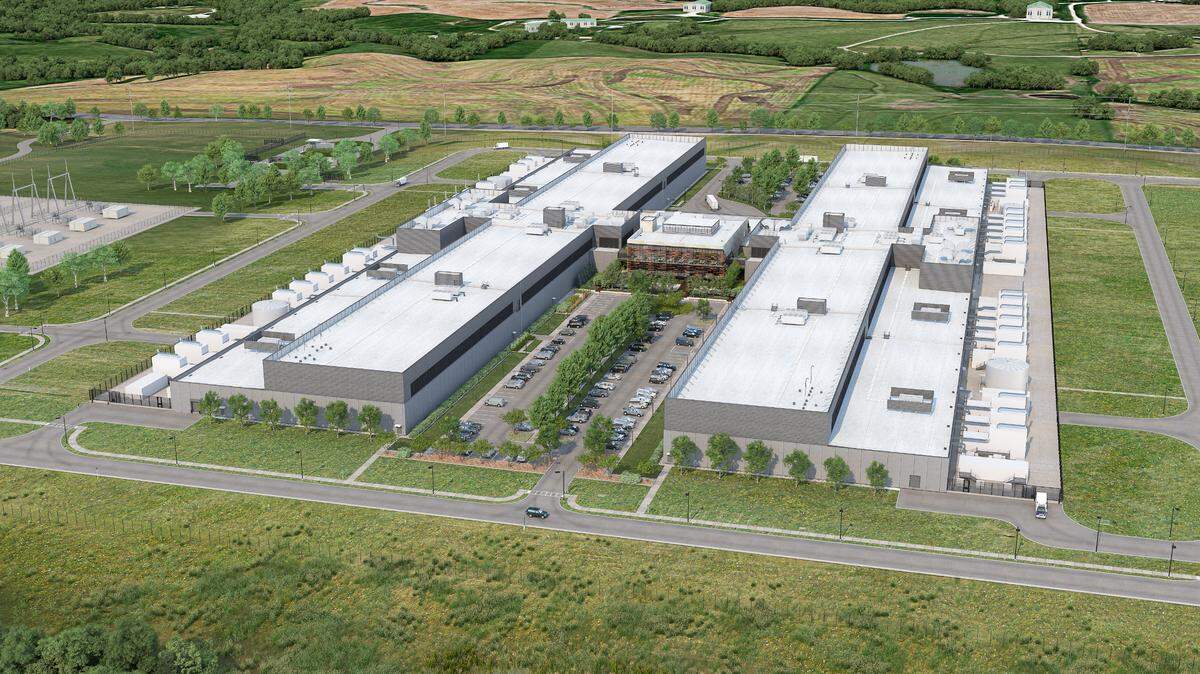
Facebook will occupy a massive data center in Kansas City’s Northland after the city approved an unprecedented incentive package for the area.
Meta, Facebook’s parent company, plans to invest $800 million in a 1 million-square-foot data center. Facebook officials, city leaders and Missouri Gov. Mike Parson planned to make the announcement at Union Station on Thursday.
“Meta is excited to call Kansas City our new home. It stands out with so much to offer — good access to infrastructure and fiber, a strong pool of talent for both construction and operations, and more than anything, great community partners,” Darcy Nothnagle, the company’s director of community and economic development, said in a news release. “Meta is committed to being a good neighbor and investing in the long-term vitality of the region for years to come.”
In Kansas City’s Northland, Meta plans to employ up to 100 permanent employees. The company said peak construction jobs could top 1,300 before the data center opens in 2024.
“It’s an exciting day in Kansas City as we celebrate Meta’s investment in our community — yet another example of Kansas City’s growing influence in the technology sector,” Kansas City Mayor Quinton Lucas said in a statement.
The data center will occupy a portion of the Golden Plains Technology Park, an 882-acre site developed by Diode Ventures, a subsidiary of Overland Park’s Black & Veatch.
Last year, Kansas City approved an incentive package worth more than $8 billion for the park. If it is fully built out as planned, it could receive the largest known tax incentive award in American history, according to Good Jobs First, which tracks taxpayer subsidies across the country.
It’s unclear how much in incentives Meta could receive. Data centers within the Golden Plains park are eligible for 25-year, 75% tax abatements on real property, which generally includes the land and buildings. Additionally, data centers there can receive 100% tax abatements for personal property, which covers the costly equipment and hardware that fill those buildings.
The company also applied for Missouri’s data center sales tax exemption. A spokeswoman from the state’s Economic Development Department declined to provide any details about the value of that incentive to the company.
Facebook is the world’s largest social media site with more than 2 billion monthly users. Parent company Meta earned nearly $40 billion in profits last year.
Tech firms like Apple, Google and Facebook are building data center locations at an escalating pace as more and more devices become connected to the internet. Those firms generally look for locations with cheap energy to power the behemoth buildings and those at relatively low risk of natural disasters.
While cities and states compete heavily for data centers, they have been subject to criticism from researchers and incentive watchdogs. Critics point out that data centers employ relatively few workers and never bring high-value tech jobs like software developers, which tech firms still largely house on the coasts.
In a 2016 report, Good Jobs First calculated the average cost of data center subsidies at $1.95 million per job created.
“At that price, taxpayers will always lose, because a worker will never pay $1.95 million more in state and local taxes than public services she and her dependents consume,” the report reads.
Greg LeRoy, executive director of Good Jobs First, said data centers rarely deliver much of an economic boon to cities or states. But public officials can’t resist the perceived clout of landing a tech giant in their backyard, he said.
“I think it’s the chance to rub shoulders and issue press releases with name brand companies,” LeRoy said. “What mayor doesn’t want to issue a press release with Apple or Google or Microsoft or Facebook?”
In Thursday’s press release about Facebook’s data center, Missouri Gov. Mike Parson called the company’s plans a “historic, cutting-edge development.”
“The Show-Me State stands out as a rising technology hub due to our strategic location, skilled workforce, and prime business climate,” Parson said in a statement. “This unprecedented investment signals Missouri is open for business, and that our state is a prime destination for high-tech leaders and innovators alike.”
Tim Cowden, president and CEO of the Kansas City Area Development Council, said Kansas City’s 5.5 million miles of fiber gave Meta the infrastructure it needed to build the data center.
“Meta’s selection of KC, joining many other global tech brands in our region, puts a spotlight on our thriving tech industry,” Cowden said.
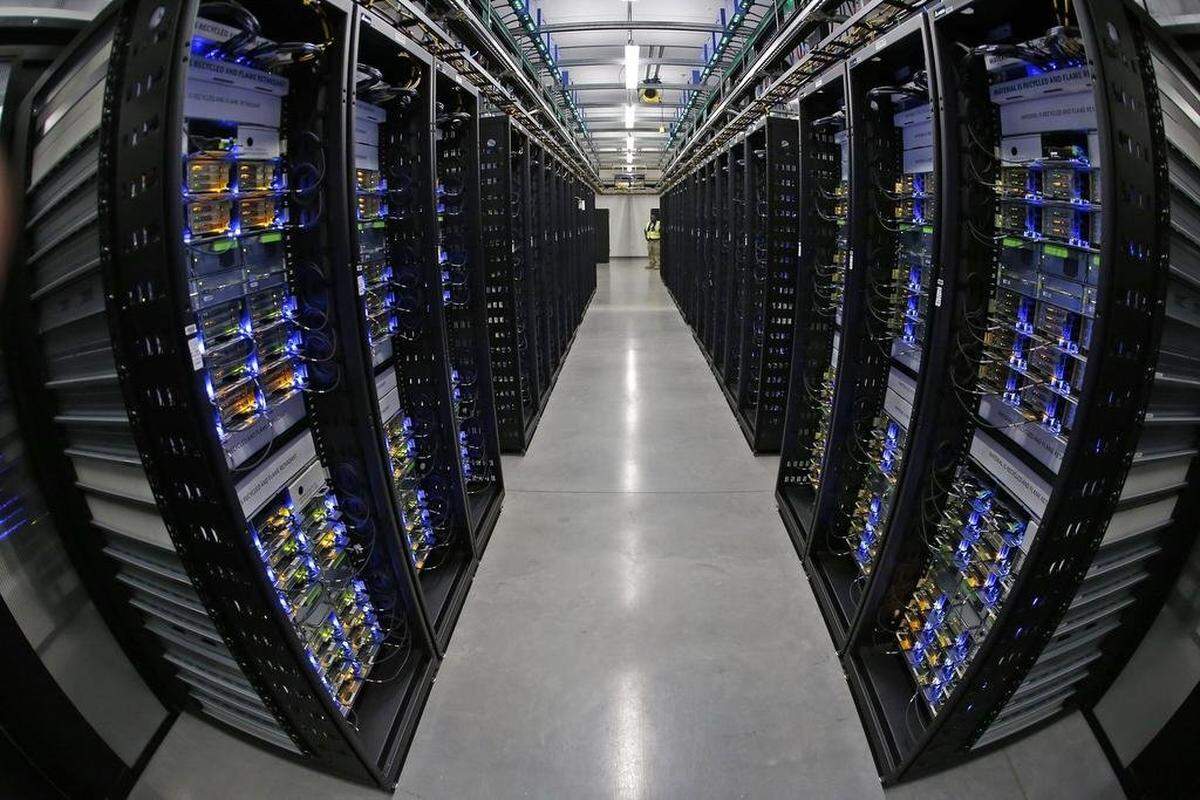
Meta operates 19 data centers in the United States, Europe and Singapore. Its largest operation is about 200 miles north of its new Kansas City operation: Facebook says its data centers outside of Des Moines will span 5 million square feet when fully built out.
Facebook says its Kansas City operation will prove to be “one of the most sustainable data centers in the world.” It plans to achieve net-zero carbon emissions and add renewable energy generation to the grid. Additionally, the Kansas City data center will use 32% less energy and will be 80% more water-efficient on average than the industry standard, the company said.
Near the intersection of Interstate 435 and U.S. 169, Golden Plains Technology Park straddles the Clay and Platte County line in the furthest reaches of Kansas City.
Diode Ventures, the Black& Veatch subsidiary, purchased the site in 2019 before securing incentives and rezoning for the area. It sold a portion of the property to Meta in late 2020.
“We are very excited Meta has chosen Kansas City as the new location for their data center campus and, in particular, the Golden Plains Technology Park,” said Brad Hardin, president of Diode Ventures. “We look forward to seeing Kansas City advance its technology and innovation agenda by adding a major technology player to the community.”
This story was originally published March 24, 2022 at 9:00 AM.