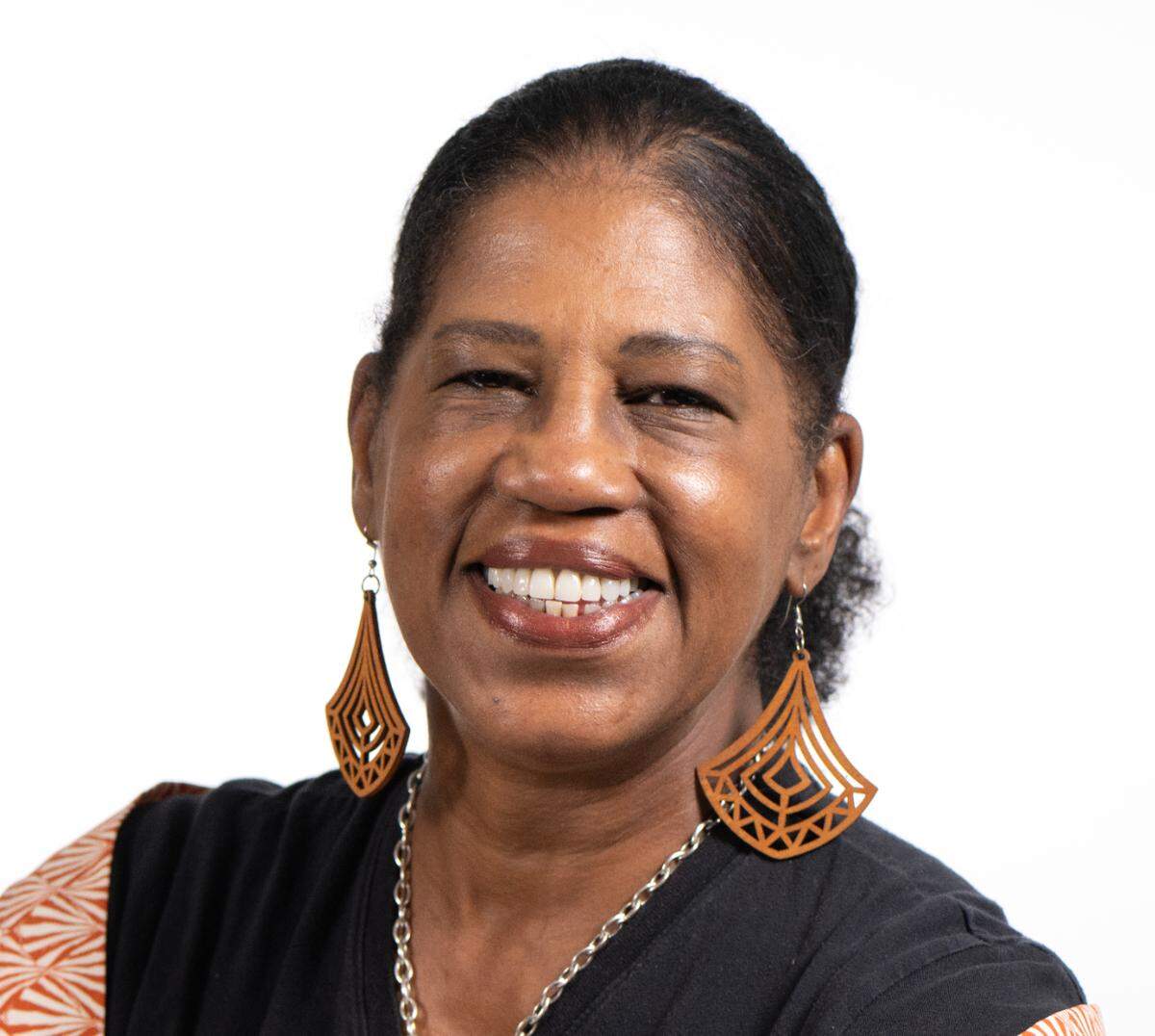
Remembering Kansas City greats: Black history is American history, and it matters
A new commercial aired during the 2025 Grammy Awards with the slogan, “You can’t ban greatness.” It showed the fashion, sports and popular culture advancements the world would not have witnessed had basketball great Michael Jordan and his popular Nike sneaker, the Air Jordan, not made the history they did.
It’s tongue and cheek, of course. But that same sentiment can be said, in a more serious tone, about Black history: It cannot be banned.
Black history is American history and is so tightly woven into the fabric of America that if eliminated, the whole of America becomes undone.
Given the recent actions by President Donald Trump to end diversity, equity and inclusion programs and jobs in this country, coupled with Republican lawmakers’ attempts over the years to limit what students learn about Black people’s experiences in America, it is vital now more than ever that we all celebrate Black history.
During the next two weeks, in honor of this year’s Black History Month, The Star will introduce readers to some notable Black Kansas Citians who might not be as well-known as others. It’s being done in coordination with the Black Archives of Mid-America, which publishes a Black history booklet in partnership with the Kansas City Public Library and Local Investment Commission (LINC).
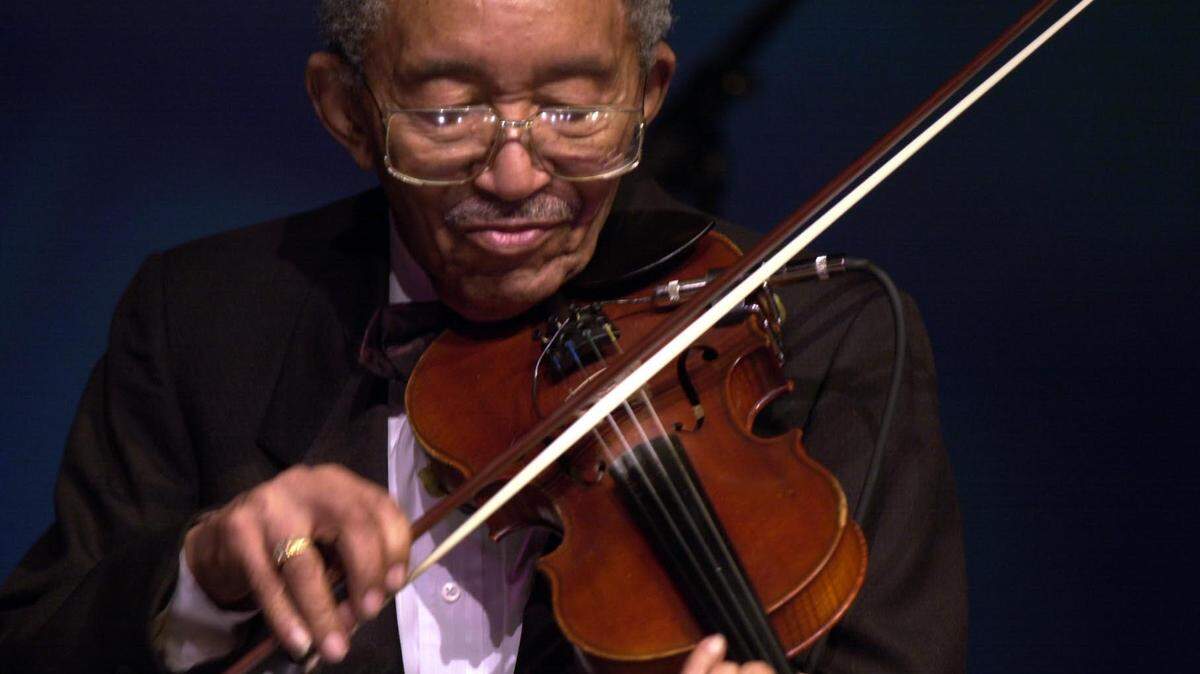
Meet musician Claude “Fiddler” Williams, educator and civil rights advocate Anne Thomas, and athlete Frank Duncan Jr.
Williams
Williams was born in 1908 in Muskogee, Oklahoma, and became a beloved Kansas City jazz icon before his death in 2004 at the age of 96. He was a master musician on string instruments and best known for the way he played jazz violin and guitar. In 1936, DownBeat magazine called Williams “Best Guitarist of the Year.”
Williams was 19 years old when he joined an Oklahoma City band that would become known as the Twelve Clouds of Joy. It was the band that brought him to Kansas City, where he performed with such jazz greats as Mary Lou Williams, who was a composer, arranger and widely known as the best female jazz pianist anywhere. Claude and Mary Lou were very much involved in establishing Kansas City as a jazz center in the 1930s and 1940s. The city lays claim to that jazz prominence to this day.
Williams stayed in Kansas City and in 1931 left the band which, by this time, had changed its name to Dark Clouds of Joy. As a solo artist, Williams played with Nat King Cole and the Count Basie Orchestra.
Williams released his first album, “Call for the Fiddler,” in 1976, and collaborated on the album, “The Man from Muskogee,” with Jay McShann, another famous Black Kansas City musician who was a native of Muskogee. Williams’ final album, “Swingin’ the Blues,” came out just four years before his death.
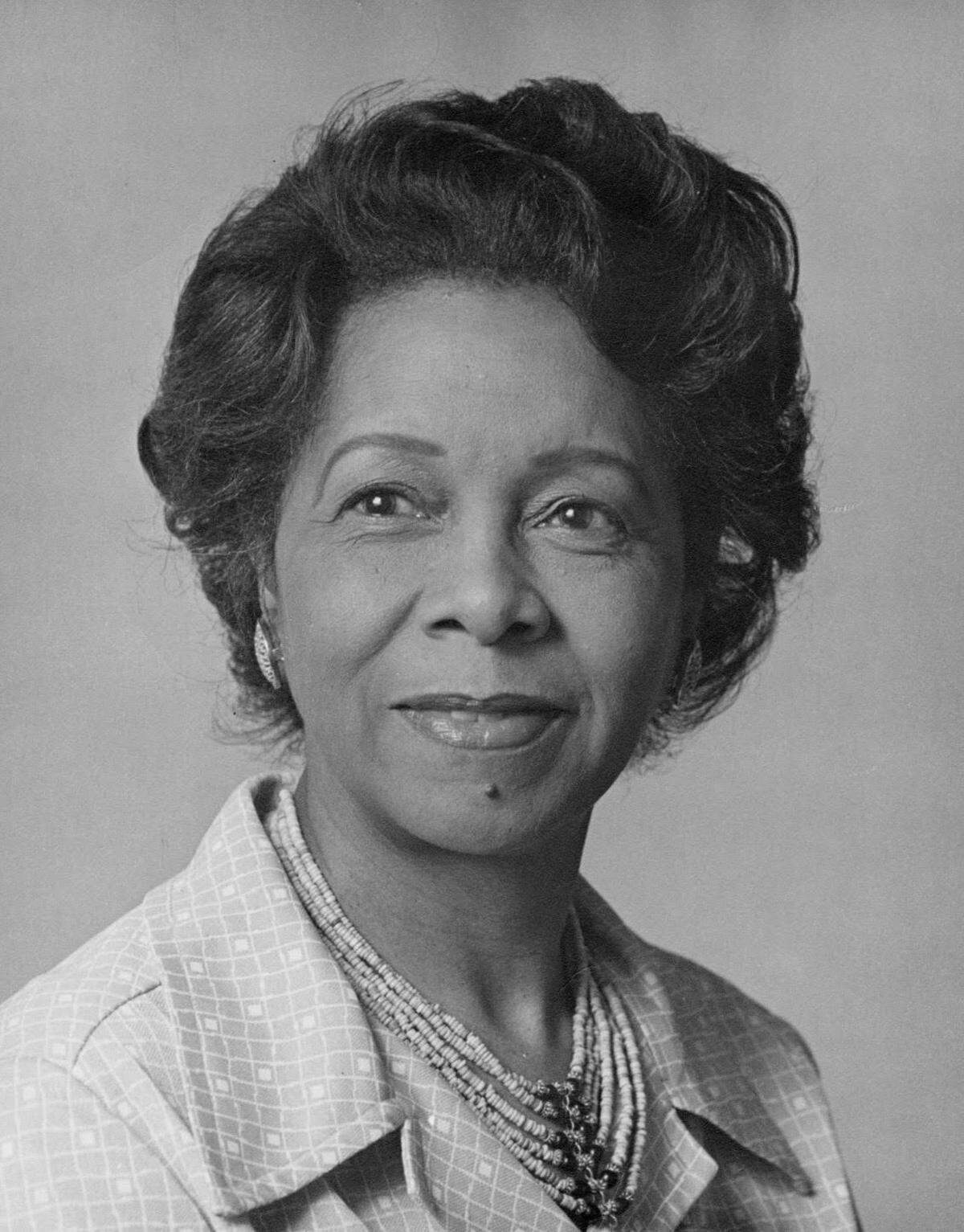
Thomas
Thomas was born Anne Jenkins in Denver. After studying at the University of Colorado and the University of Kansas, she moved to Kansas City in 1932.
She was an English teacher, and taught for a few years at R.T. Coles Vocational School while she worked toward her master’s degree. She later became a counselor at R.T. Coles, which for nearly 20 years was the only vocational and junior high school in Kansas City that provided Black students industrial education skills and manual training.
Her husband Earl D. Thomas , also an educator, became the first Black city councilperson-at-large in Kansas City. She became deeply involved with the Young Women’s Christian Association (YWCA) and in 1958 became the first Black president of the organization’s board of directors.
Thomas was a staunch advocate for school integration, protesting segregation in public spaces. She continued that advocacy when she later was elected to the Metropolitan Junior College-Kansas City Board of Trustees in 1970. Thomas, who became known for her civil rights stances, died in 2002.
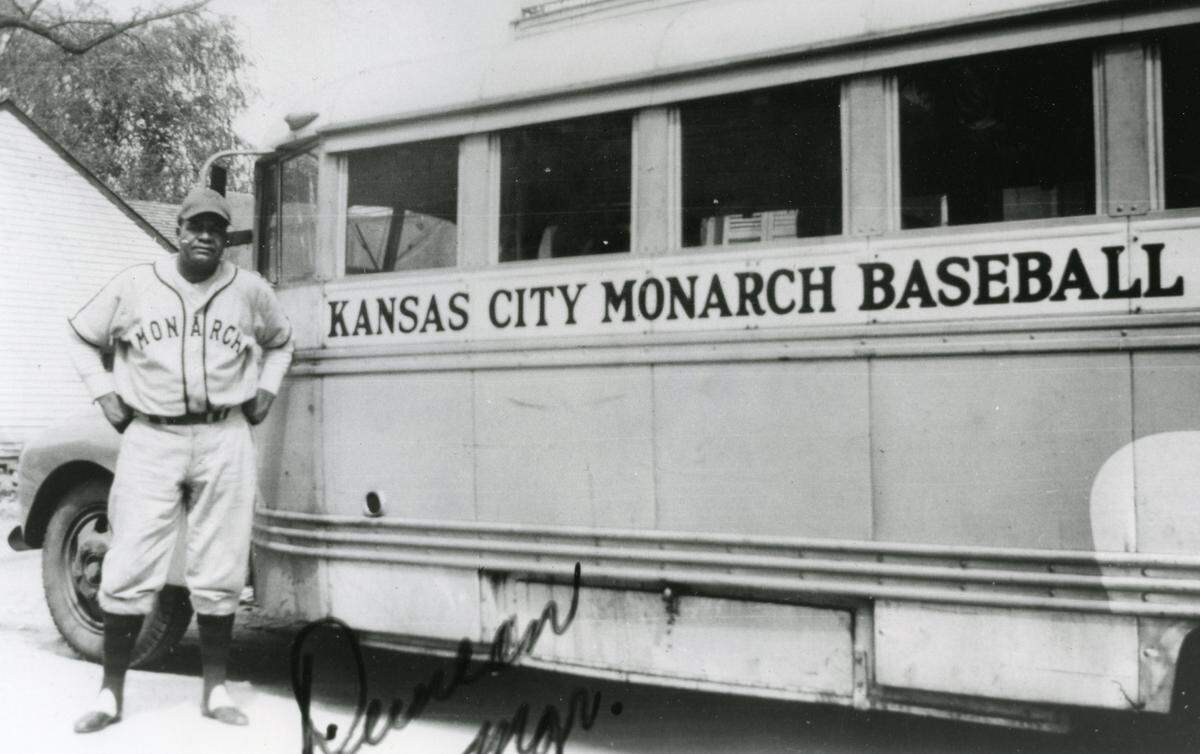
Duncan
Duncan was born in Kansas City, lived here nearly his entire life, and became an exceptional ball player and manager with baseball’s Negro Leagues for more than 20 years. He grew up playing sandlot ball with his buddies in Kansas City’s east side neighborhoods.
When Duncan finished high school he played ball for teams in Kansas City, St. Joseph and Chicago, but eventually signed with the Kansas City Monarchs. That’s where he made his mark as a dominant catcher and an explosive base runner. He was part of the Monarch dynasty that won three consecutive league pennants in 1923, 1924 and 1925. His 1924 team went on to win the first Negro Leagues World Series.
Duncan did end up playing a bit with teams in Chicago, New York and Pittsburgh, but he always returned back home to Kansas City. In 1942, he became the Monarchs’ player manager. There would be many more winning seasons for Duncan, including another World Series win in 1946. The next year turned out to be his final season, and he passed the manager’s torch to Buck O’Neil, who many years later became one of Kansas City’s greatest ambassadors. Duncan died in 1973, and several of his former teammates carried his casket at his funeral. He was 72.
Each of these great Kansas Citians — and there are many more like them — deserve to be remembered not just one month out of the year, but always and forever for the contributions, joy and excitement they brought to Kansas City and the nation during their lifetimes.
For more stories about culture and identity, sign up for our free On The Vine newsletter at http://KansasCity.com/newsletters.
This story was originally published February 7, 2025 at 12:41 PM.