
Visiting a theme park this summer? Here are tips to keep you and your children safe
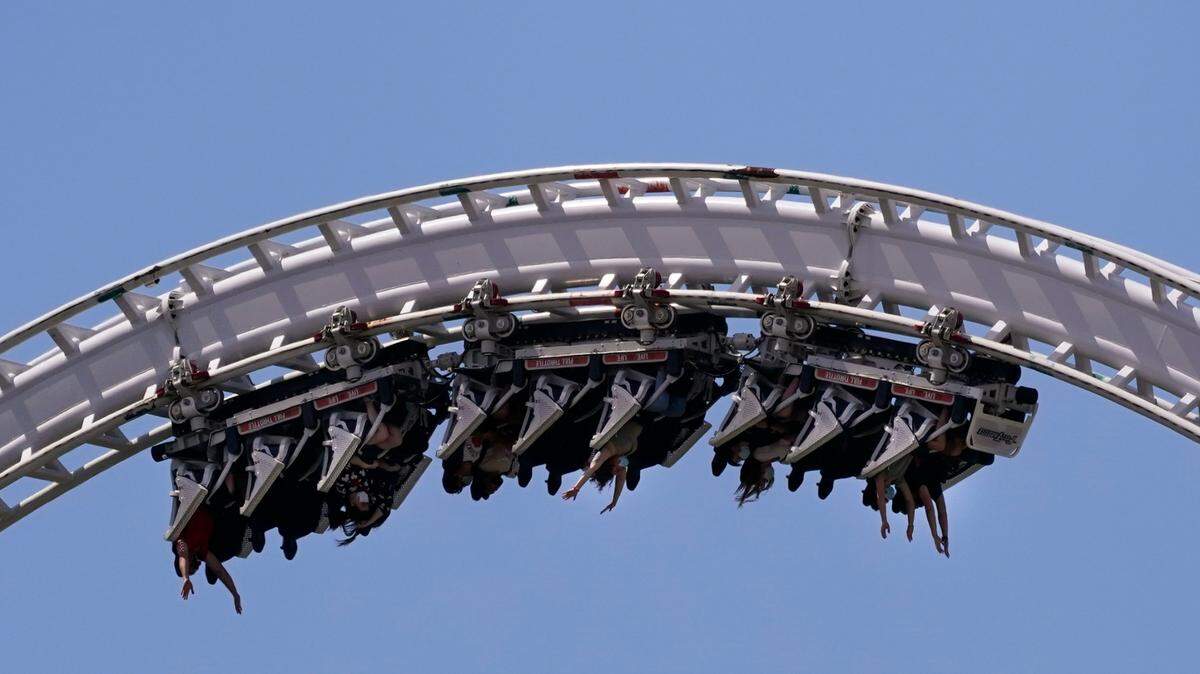
Four theme park accidents resulting in two deaths and six people being injured have made the country’s headlines this summer as crowds flock back to parks.
An Ohio woman died after tearing an artery while riding a roller coaster June 5 at the Holiday World & Splashin’ Safari theme park in Indiana. Two visitors had an accident at a log flume ride at Six Flags Great Adventure in New Jersey and were sent to a hospital June 13.
In Missouri, a boy was seriously injured after being trapped beneath a roller coaster in Branson June 20. Last Saturday four people were injured when a ride at an Iowa amusement park malfunctioned. One of them— an 11-year-old boy— died.
A North America ride safety report from The Global Association for the Attractions Industry (IAAPA) estimates that in 2019 there were 1,299 ride-related injuries, 3.7 per million attendees.
Here are some important tips from IAAPA and RidesDatabase, a project done by non‐profit public service organization Saferparks, to keep you and children safe when visiting theme parks this summer.
Follow safety restrictions
Lying about age, height or weight to get onto an amusement ride, or ignoring the listed health restrictions such as “don’t ride if you have high blood pressure,” can risk someone’s life. Visitors should read all the rules at the entrance of rides and obey them.
Obey instructions
The recorded announcements or verbal directions given by operators before rides begin are meant to make attractions safer. Instructions such as “keep arms and hands inside the vehicle at all times” can prevent even minor injuries and should be followed by guests.
Always use safety equipment
Visitors should use all the safety devices that are provided on rides such as seat belts, shoulder harnesses, lap bars and handrails. Check them before the ride starts and don’t attempt to loosen them as it can be very dangerous.
Supervise children
It is the parent’s or guardian’s responsibility to make sure that children behave appropriately in theme parks. They should make sure kids understand the safety instructions in the park and attractions.
If children are riding by themselves, parents should make sure they are physically and emotionally capable of staying positioned inside vehicles until the ride ends. Children should hold on to safety devices with both hands because riding with hands in the air is riskier for them than for teenagers or adults.
Report suspicious conditions
Visitors should follow their instincts if they perceive unsafe conditions on a ride or if the operator seems inattentive and report those situations.
Take breaks
Theme park guests should take breaks between attractions. Tired riders might not have the strength to hold their heads up which could lead to injury, and strong rides with high G-force can lead to loss of consciousness. Staying hydrated is also important to prevent illness.
What you shouldn’t do
No person should be forced to ride an attraction they don’t want to, and no one should ride under the influence of alcohol or drugs.