
A little electricity brings a lot of hope to emerging countries with The Sunshine Box
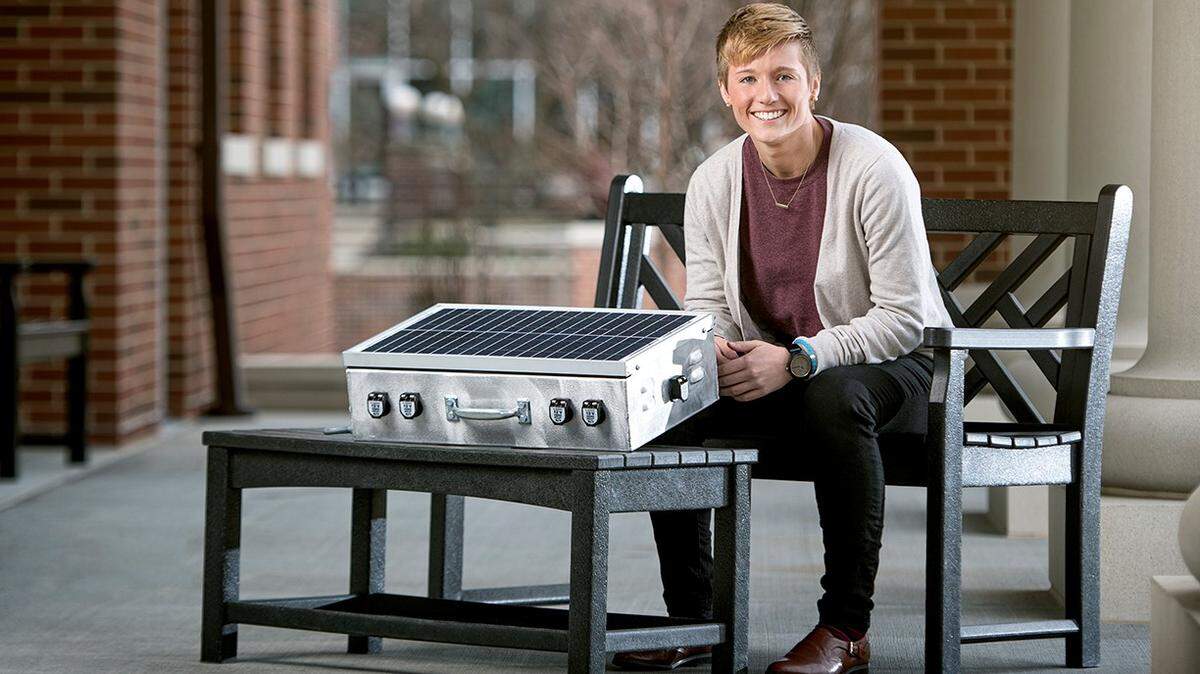
Conner Hazelrigg, CEO of 1773 Innovation Co. and inventor of The Sunshine Box, began her journey with a simple shared fact. Upon returning from a trip to Haiti, a friend of Conner’s told her that while 80% of Haitians have cell phones, only 12% have access to electricity. Conner was surprised, and couldn’t stop thinking about it. A college student getting her undergraduate degree at William Jewell College at the time, Conner was required to do a research project in order to graduate. She says, “As a sophomore, that’s crazy to think about. Everyone has cell phones but no one has electricity? Why would that be? And that was something that I could put into my research.”
After poring over information on emerging countries, Conner felt like she had enough information to make a difference. Conner smiles as she recalls, “I was doing a summer internship back in my hometown of St. Joseph, MO with this wonderful organization called Sunshine Electronic Display and so I went to the CEO of that company and told him about this problem and that I wanted to do something. He was like, I want to help do this. I’ll give you the material and labor that you’ll need. Let’s build something.”
What they built was a solar-paneled charging station that allows people in emerging nations to charge their phones in environments where electricity isn’t always readily available. Designed to be highly portable and able to withstand harsh weather conditions and environments, for many, The Sunshine Box is a lifeline to important functions, allowing the people who use it to stay connected. In countries where laptops and computers are often impractical, a cell phone is usually the only way to do essential tasks like monitoring breaking weather conditions, staying informed on current events, conducting online banking or staying in touch with distant family.
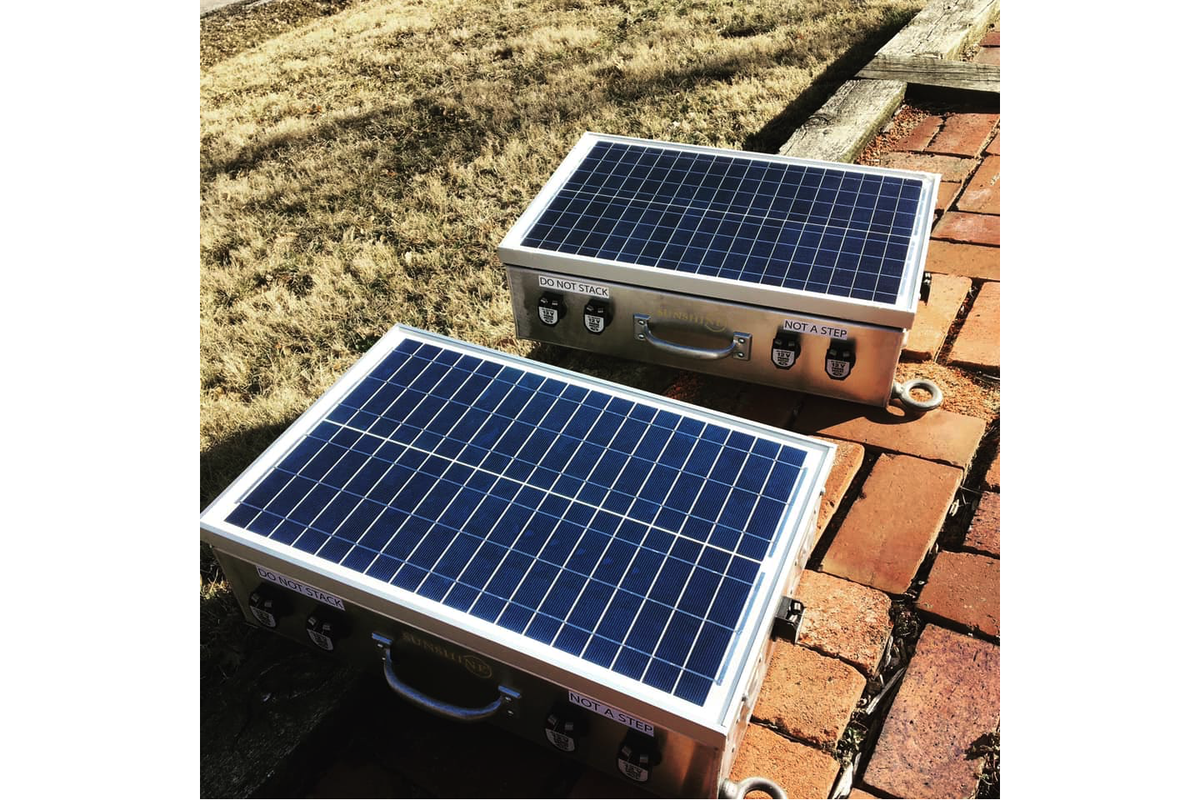
With ideas percolating, Sunshine Electronic Display CEO Kendall Randolph challenged Conner to draw out a prototype of what this product would ultimately look like so they could get started. Things moved quickly, Conner says, estimating that it took only three days to design the first version of the prototype. She says, “I just took some coloring pencils and sketched out a design. Being an intern, I knew what they had available and what we could do… I took the design back to him and we went back to some of the people in the warehouse and the manufacturing floor and we just built one.” With a viable prototype in hand, in short order, Conner was able to secure a Kauffman grant, build two more units and send them to Haiti so they could benefit the people there.
Conner takes the responsibility of providing a technology solution to communities in undeveloped countries seriously, hoping to grow the reach of The Sunshine Box in ethical and sustainable ways. Conner gets thoughtful. “Now we have a solution... but it’s not my solution. Yes, I helped build it but going through, reading William Easterly’s book, ‘The White Mans’ Burden’ or ‘The Bottom Billion’, really trying to understand what global poverty look like, talking to people who have experienced it… it took many trips to Haiti to understand what would a solution be? I didn’t want to impose my Western views. It’s a solution for them.”
Conner conducted extensive product research with the Haitians who would use the box, asking them what they needed and then implementing changes. For instance, one of the simplest asked-for innovations was a longer charging cord. Conner found that in environments with high heat and harsh sun, no one wanted to sit directly next to the box as their phone charged because the same direct sun that charged the solar panels was uncomfortable to sit in for extended periods. With a longer cord, people could rest in the shade as they charged their phones.
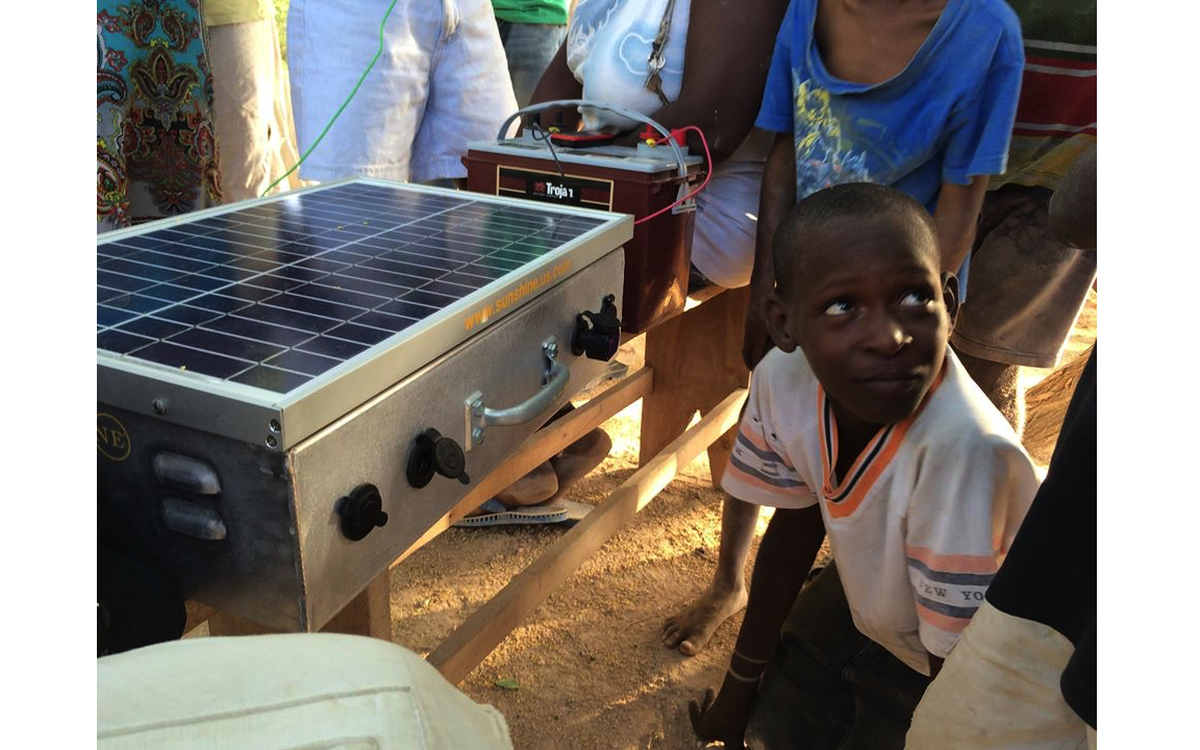
At request, Conner also made the unit heavier, which seems counterintuitive to its desired portability until you consider that a heavier box is harder to steal. Meticulously built with empathy at every step, it’s thoughtful refinements like this that make The Sunshine Box so easy for Haitians to use in their daily lives.
The Sunshine Box also creates a revenue opportunity for licensed community liaisons on the ground, who sell the electricity provided by the box at reasonable rates to the community. They’ve instituted an electronic payment system to make sure these authorized sellers aren’t left vulnerable to robbery or violence. Where before, a person might have to travel several hours in dangerous or hazardous areas to the nearest reliable source of electricity, now they have the electricity come to them.
Under Conner’s stewardship, 1773 Innovation Co. has managed to send 88 boxes to 17 developing countries worldwide, including Haiti, Rwanda and Guatemala and Conner hopes to continue to grow those numbers with community support for as long as The Sunshine Box is needed. She says, “There’s all sorts of opportunities to expand to new countries or to try to help fulfill one country. You know, if I put 100 boxes in Haiti that’s still 10,000 people to one box ratio... There are endless opportunities to work with partner organizations that want to create jobs in different countries, whether it’s Haiti, whether it’s Guatemala or Rwanda, to help close this energy gap that people in these countries deal with on a daily basis.”
When asked why The Sunshine Box matters to her, Conner replies, “It is one of the top important pieces of my life because I found purpose. When I was there taking what I thought was a school project and putting it into peoples’ lives, to see that connection that it made for people and the burden it relieves so that people could charge cell phones? It kind of enlightened me to what I’m meant to do. Maybe it’s not The Sunshine Box, but it’s to use my skills, my resources to help people who don’t have the voice to get that access.”
You can find out more about 1773 Innovation Co. and The Sunshine Box HERE.
This story was originally published March 5, 2020 at 10:03 AM.