When are the best times to eat during the day? It’s more important than you think
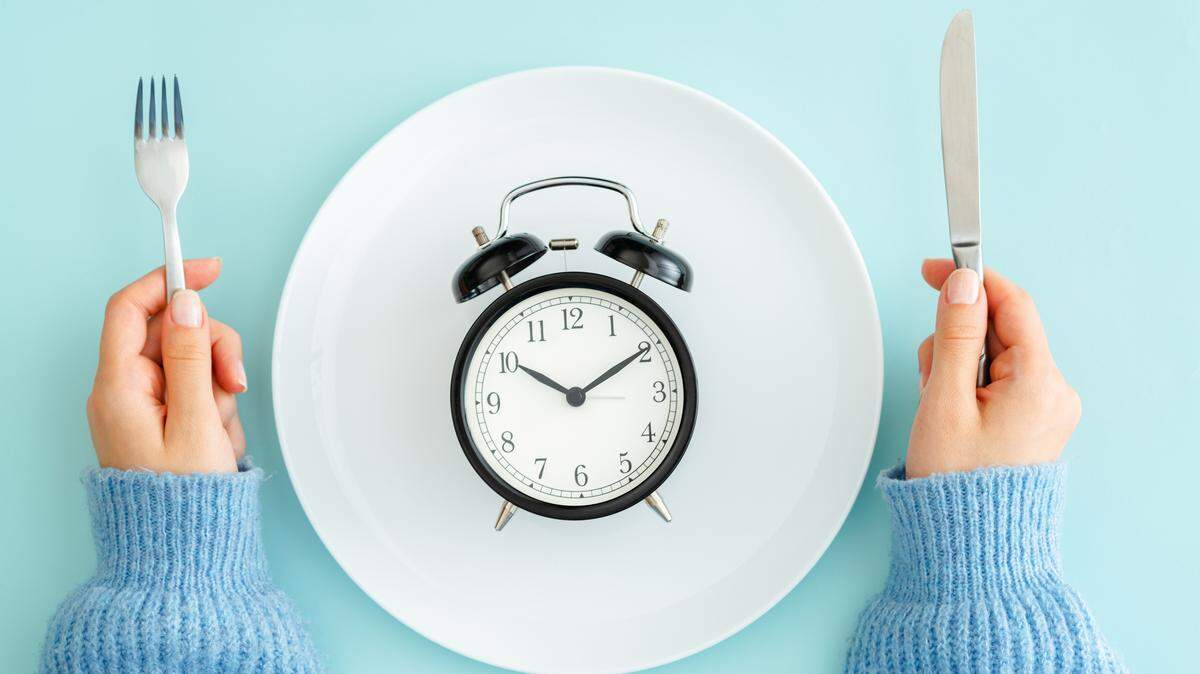
Most of us know that what you eat is important, but did you know that the when can also have a significant impact on how you feel? Eating at optimal times throughout the day can strongly influence your energy levels, metabolism and overall health.
But when exactly should you be eating your meals throughout the day to maximize these benefits? Everyone is different, but we spoke with some experts to hear what they had to say about the best times to eat breakfast, lunch and dinner.
Eat breakfast within an hour of waking up
Breakfast truly lives up to its name of “the most important meal of the day” and should be eaten within an hour after waking up, said Amie Alexander, an Accredited Dietitian at Nutri Peak.
“This kick-starts your metabolism and gives you the energy you need for the day ahead,” she said.
Although it may not be the easiest or most convenient option, a well-balanced breakfast is best for your body. Amie recommends a mix of complex carbohydrates, lean proteins and healthy fats. For example, a breakfast of oatmeal topped with nuts or seeds, Greek yogurt with berries or eggs with avocado on sourdough toast will provide you with sustained energy and keep you full until your next meal.
Another morning tip: If you enjoy caffeinated beverages, your body will thank you for waiting to drink them about an hour after waking up. This allows your cortisol levels to balance out naturally and helps you avoid a slump in the middle of the day.
Stop for a lunch break 4 to 5 hours after breakfast
Ideally, lunch should be eaten approximately 4 to 5 hours after breakfast. This timing helps maintain stable blood sugar levels and prevents the infamous afternoon crash. Amie suggests a lunch that balances protein, fiber-rich vegetables and whole grains.
A salad with mixed colorful vegetables and grilled chicken, paired with quinoa, potatoes or rice and dressing made with a healthy fat like avocado or olive oil, is a great option you could meal prep throughout the week.
Nicole Ibarra, a Registered Dietitian based in Northern California, agrees that eating every 3-4 hours supports proper digestion and helps maintain energy and satiety levels.
“When you have meals, they should be well-balanced with protein, complex carbohydrates, healthy fats and vegetables,” Ibarra said.
The complex carbs and fiber from vegetables support gut health and manage blood sugar levels, while the protein and fats keep you full until your next meal.
Have a light and early dinner for better digestion
As the day winds down, you might feel tempted to turn on your favorite show and indulge in a huge dinner followed by a line-up of your favorite comfort snacks or desserts. However, eating too soon before bed is a huge contributor to poor sleep. Dinner (and any other food) should be eaten at least 2-3 hours before your usual bedtime to allow for proper digestion and optimal rest.
Amie emphasizes that this last meal of the day should be lighter but still well-balanced, focusing on a protein source, non-starchy vegetables and complex carbohydrates. For example, grilled fish with steamed broccoli and roasted sweet potato is a perfect choice for a delicious yet light dinner that will help your body repair and restore itself overnight.
What are the benefits of consistent meal timing?
Peg Doyle, Owner of Wellness and You, suggests following a meal schedule that works for you, such as eating breakfast at 7 a.m., lunch at 1 p.m., and dinner at 6 p.m. This sets you up for consistent eating and fasting windows that will support your blood sugar and insulin.
Your body will become accustomed to the routine and will likely thrive because of it.
“From a practical point of view, there’s only a slim chance one would be hungry between meals, thereby limiting the need to snack, which can be a major cause of unwanted weight gain and stress on blood sugar regulation,” Doyle said.
According to experts, the timing of your meals can play a significant role in maintaining energy levels, supporting digestion and promoting overall wellness. Whether it’s a balanced breakfast to start your day, a well-timed lunch to keep your energy up or a light dinner to end the day on a healthy note, the key is to find a schedule that keeps you feeling your best.
This story was originally published August 26, 2024 at 3:36 PM with the headline "When are the best times to eat during the day? It’s more important than you think."