
How to prevent Cyclospora contamination in your local garden produce
As it periodically does, produce safety has once again made its way into the broader public conversation, with a recent Cyclospora outbreak being tracked across the country.
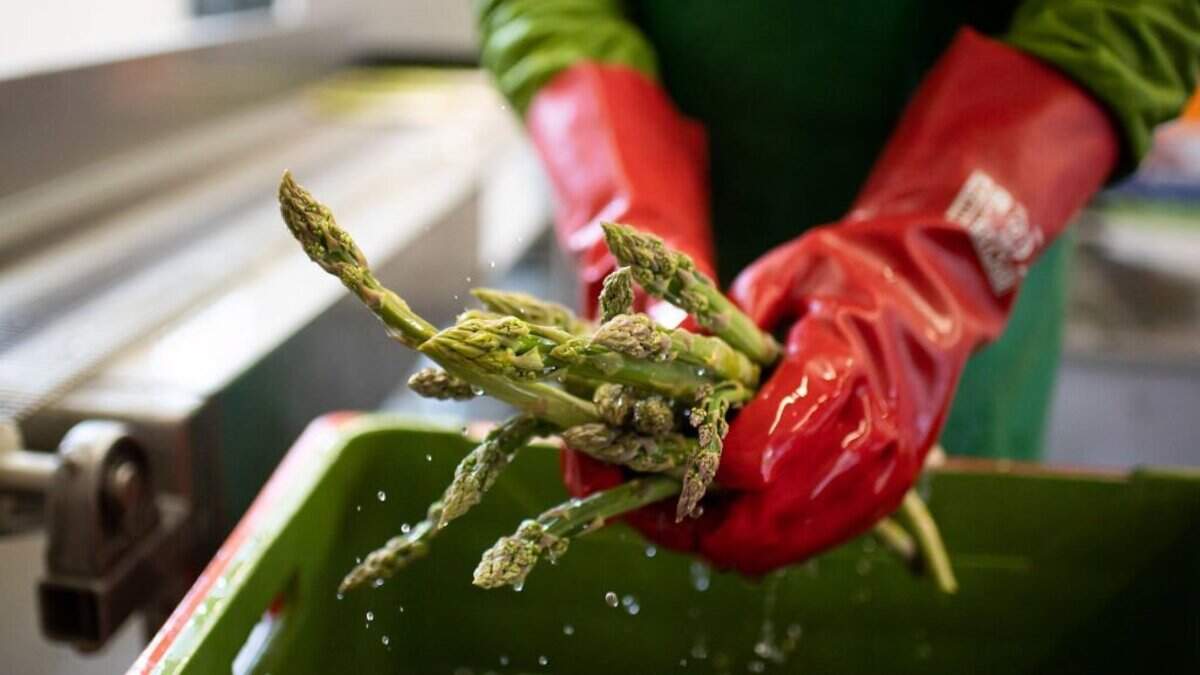
Cyclospora is a microscopic parasite that can reach produce through contact with human fecal matter. As many news reports will remind you, thoroughly rinsing produce under clean, running water is recommended, especially for fruits and vegetables with nooks and crannies where dirt and contaminants may become trapped.
Washing still matters and can reduce the chance of exposure, but it cannot guarantee that every harmful organism will be removed. That is why prevention is so important throughout the growing, harvesting and handling process. These same preventive practices also apply to produce grown in the home garden.
Clean produce handling
The first measure, and perhaps the most obvious—but still worth noting—is clean produce handling. Although it may seem counterintuitive to worry about clean hands while working in the soil, harvested produce should be handled with freshly washed hands. When gloves are used, they should also be clean and undamaged.
Surface-to-surface contamination can occur easily. If a gardener has recently used the restroom, handled pet waste, spread manure in the garden or touched a contaminated surface, harmful organisms can be transferred to tools, containers and eventually the produce itself.
Avoid pets in the garden
For the same reason, it is best to keep pets out of vegetable gardens.
Even well-groomed and well-cared-for animals can carry contaminants on their paws or fur. Gardeners should also watch for signs of wildlife activity, including droppings, feeding damage and numerous footprints near edible crops.
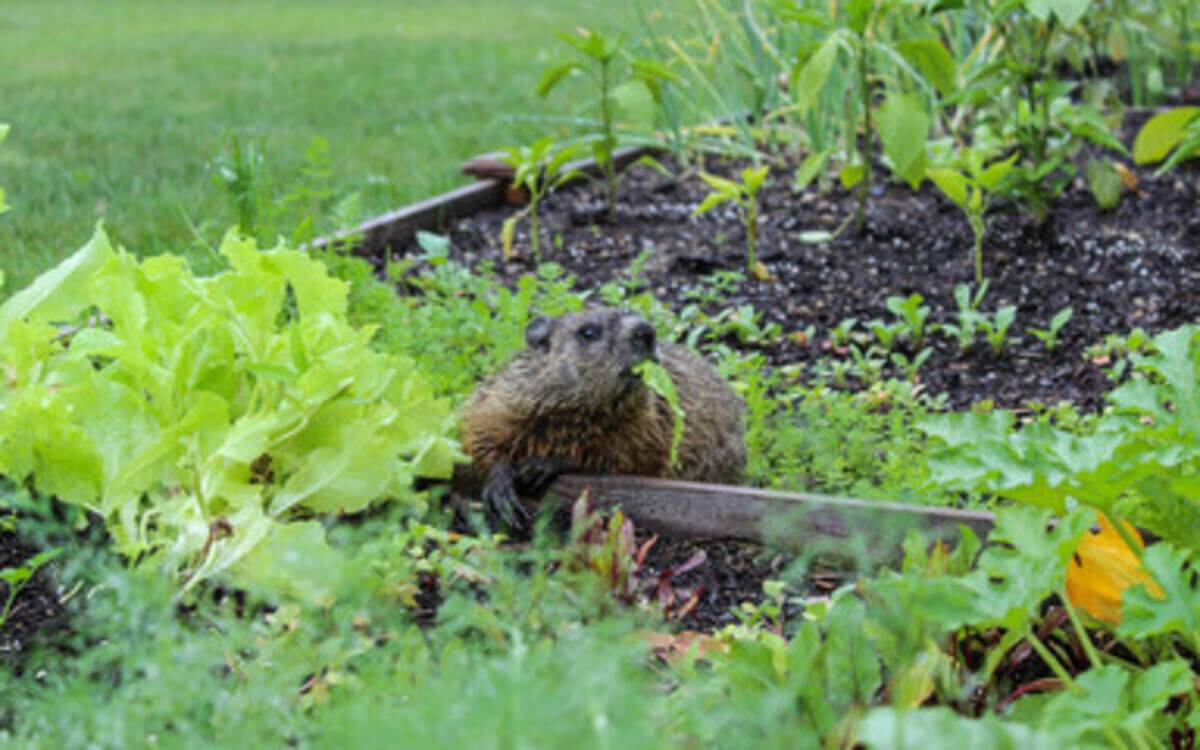
Produce that has come into direct contact with animal waste should not be eaten. Harvest bins and containers should also be kept off the ground whenever possible.
Ultimately, nearly anything that touches produce can become a potential contamination point. This includes soil, hands, gloves, harvesting tools, storage bins and even the water supplied to the plants.
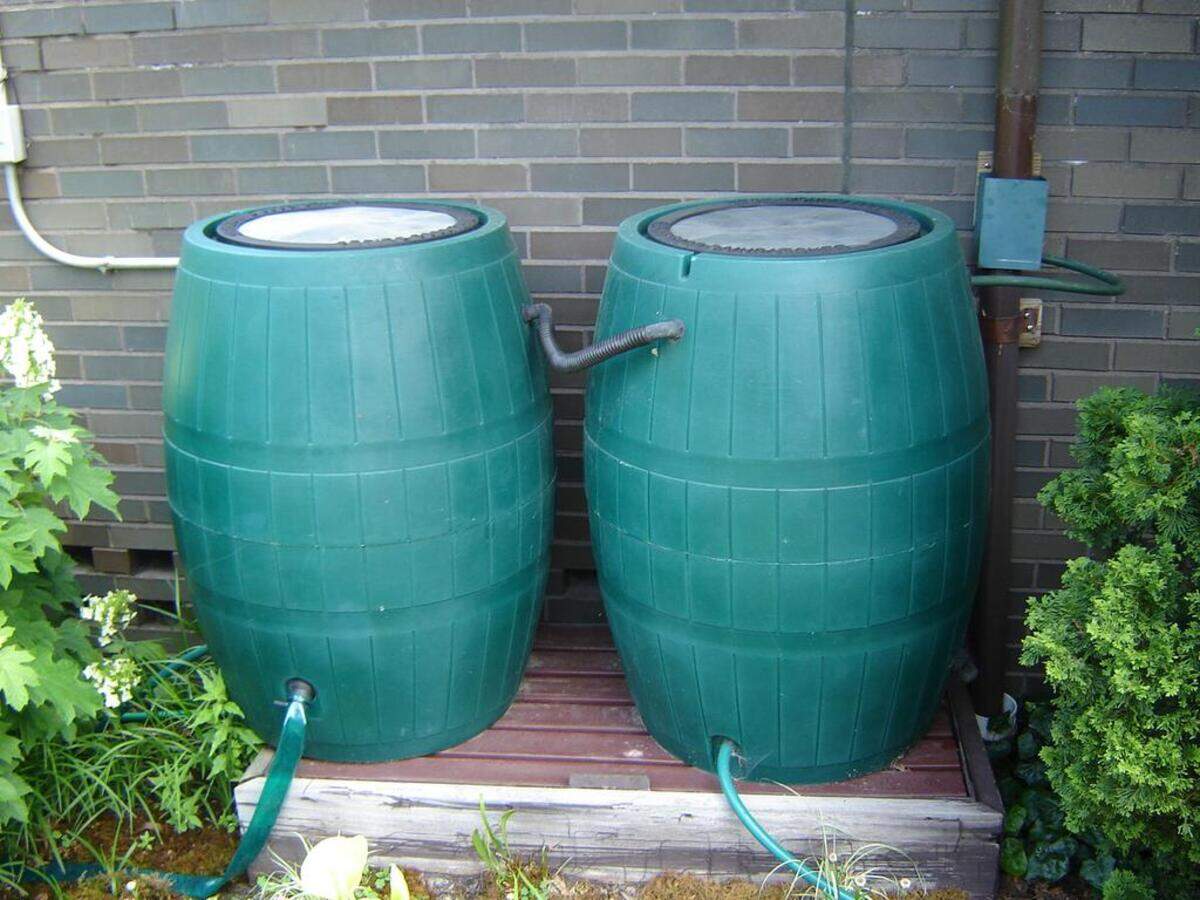
Rain barrel water, for example, is collected from rooftops and gutters where bird droppings and other contaminants may be present. It should be applied to the soil rather than directly to the edible portions of plants. Water that is safe for drinking should always be used when washing or preparing produce.
Produce that has come into contact with floodwater should also be considered unsafe to eat. Floodwater refers to water that has flowed across land or through areas where it may have picked up sewage, chemicals, animal waste or other contaminants. This is different from ordinary rainwater temporarily pooling in a garden.
What about produce from grocery stores and farmers markets?
A foodborne illness outbreak is not a reason to stop eating fresh produce, or to avoid produce from any particular source. Fruits and vegetables sold through grocery stores, farmers markets, community-supported agriculture programs and farm stands move through different growing, handling and distribution systems. Each system has food-safety safeguards as well as potential points where contamination could occur.
Growers, packers, distributors, retailers and local food producers all play a role in protecting produce safety, and many receive training on practices established through the Food Safety Modernization Act and related produce-safety programs.
.jpg "Cold Crop Combo (1).jpg")
Buying directly from a local producer may provide an opportunity to ask questions about how food is grown, harvested, washed, stored and transported. Consumers can ask similar questions of retailers or look for information provided on product packaging and store websites. Regardless of where produce is purchased, careful handling and proper washing at home remain important.
These recommendations are best practices, not reasons to fear fresh produce. Although no system can remove every possible risk, thoughtful prevention can greatly reduce it. With responsible practices throughout growing, harvesting, distribution, retail and preparation at home, consumers can continue enjoying fresh fruits and vegetables with greater confidence.
Anthony Reardon is a horticulture agent with Johnson County, K-State University Extension. Have more questions? Contact the Johnson County Extension gardening hotline at 913-715-7050 or email garden.help@jocogov.org.