
Stick to this summer watering routine to keep your garden happy and healthy
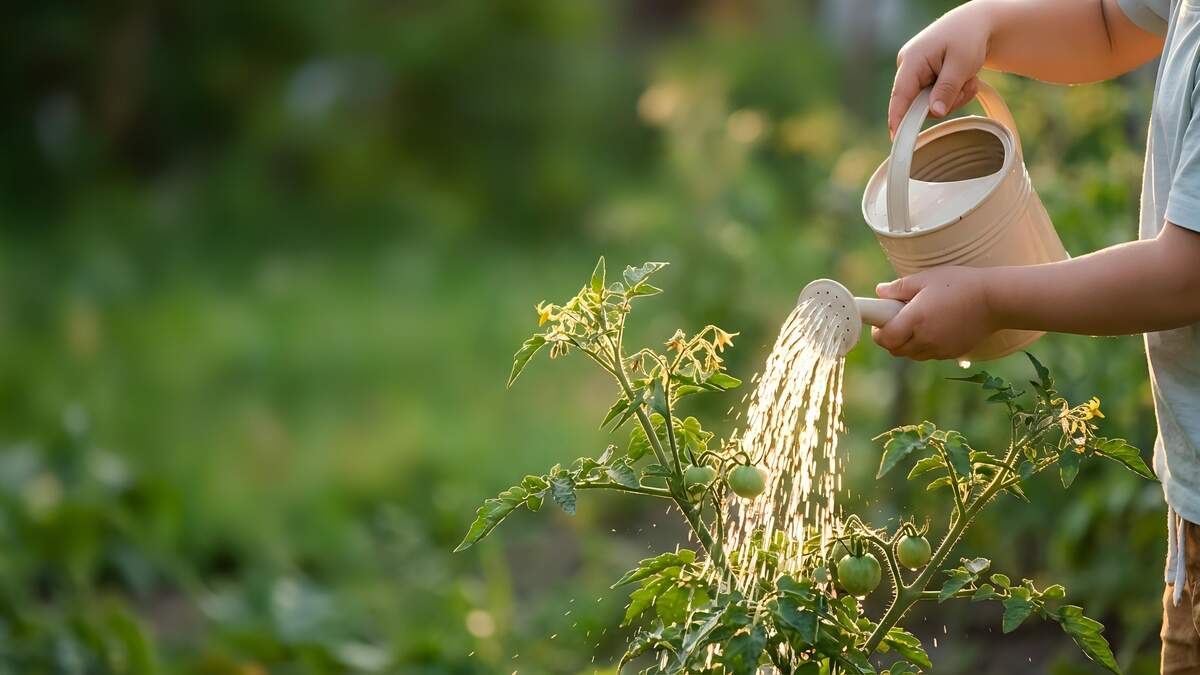
With the onset of summer heat, gardeners may be tempted to turn to their watering hoses, “cooling off” their plants as the worst of the season takes its toll. After all, if we humans need reprieves from the warmth, so do our plants… right?
In reality, plants don’t respond to heat the same way people do. While some, such as shallow-rooted plants or those with light-colored foliage, may need additional water during periods of extreme heat, overwatering or watering at the wrong time of day can increase plant stress rather than relieve it.
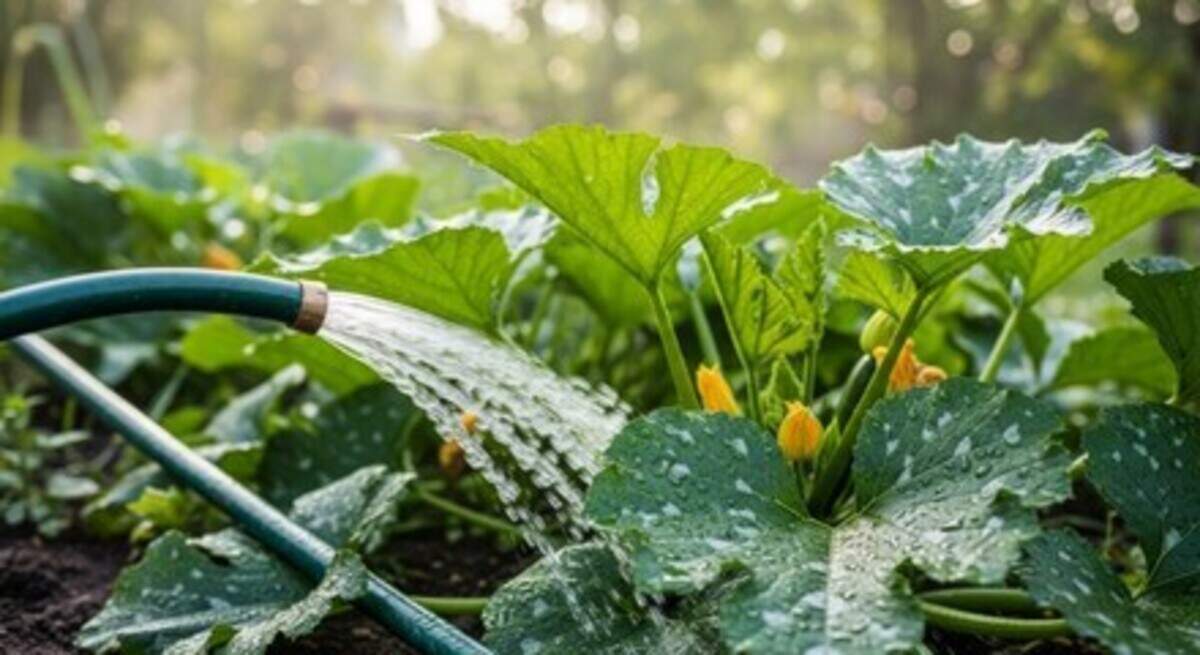
As a steadfast rule in gardening, best practice recommends watering plants early in the morning before daytime heat sets in. This is because water uptake from the supplied water will be most efficient during this time. As sunlight and heat increase, however, most of the water supplied is lost to evaporation before the plant can absorb it. Additionally, any errant water drops that land on leaves are more likely to spread disease or discolor them during this time.
Unfortunately, daytime watering offers little to plants beyond minor temperature regulation and perhaps emergency rescue when especially wilted.
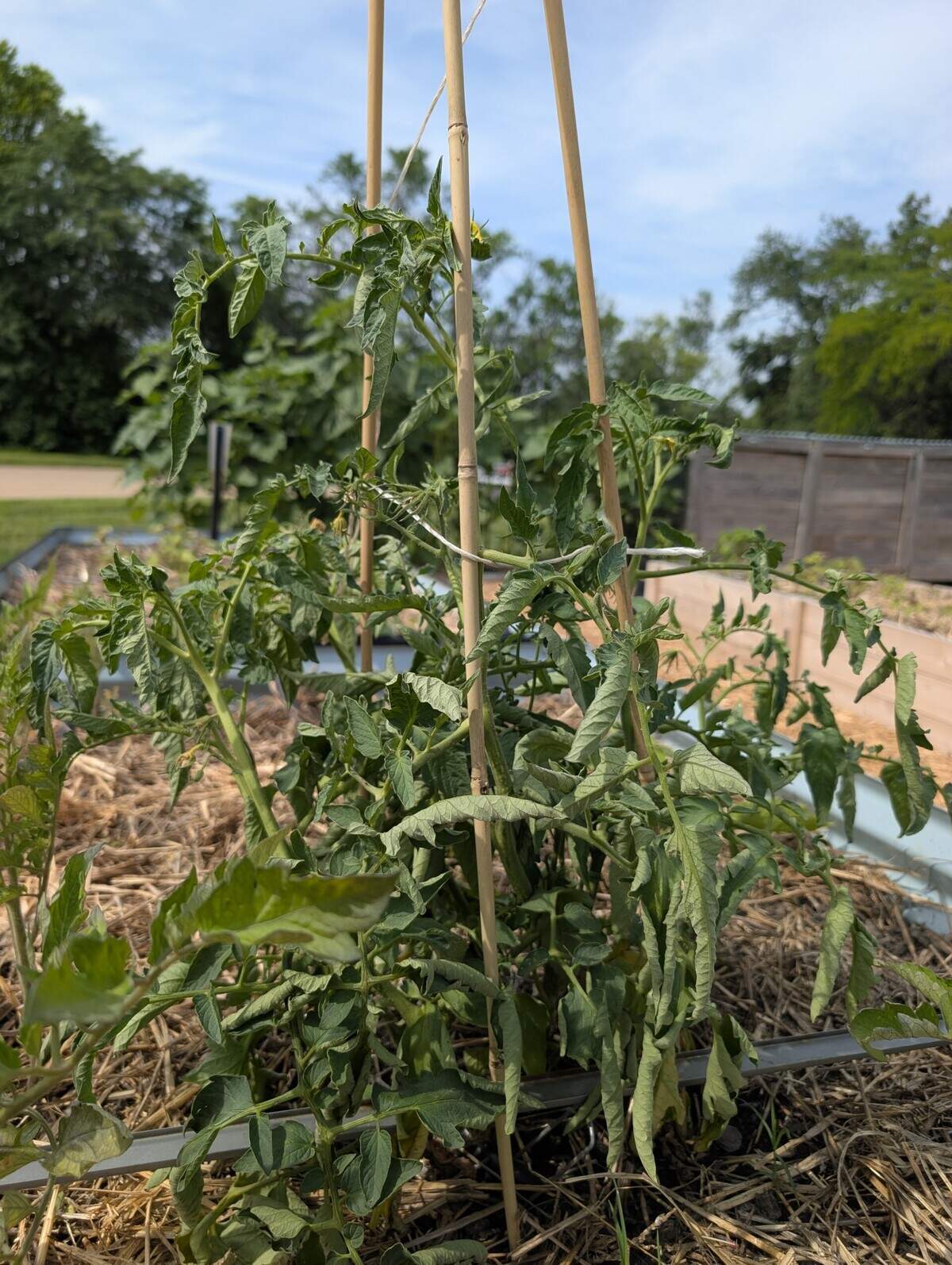
Truly, adhering to early-morning watering practices is one of the best ways to help sustain garden plants through the summer heat. In addition, gardeners can review their watering methods.
Instead of frequent, shallow watering, most established plants benefit from watering slowly, deeply, and less frequently. This approach encourages roots to grow deeper and spread farther through the soil in search of moisture. Over time, a more extensive root system improves a plant’s ability to tolerate hot, dry conditions and access water stored deeper in the soil, reducing the need for frequent supplemental irrigation.
Gardeners should also pay attention to soil moisture between waterings. As always, a few golden rules remain: keep it moist, not sopping, and allow the top inch of soil to dry before watering again. If a soil probe can’t go more than a couple of inches into the soil, it is likely to be excessively dry and in need of deep watering.
As intense heat and sunlight begin to settle in, gardeners may also notice brown lesions on lighter-colored leaves of perennial plants. Typically, this light, yellow-hued leaf color is a result of iron chlorosis, where not enough iron is being supplied to the plant for it to photosynthesize and develop chlorophyll properly. The crux of this is that, because the leaf is lighter and has less chlorophyll acting as “sunscreen,” the leaf is much more prone to burning and desiccation in sunlight.
.jpg "carrots (2).jpg")
Ultimately, if this is currently being observed, the best practice is to follow the watering recommendations mentioned. In conjunction, gardeners can also help ensure their plants can absorb adequate nutrients by conducting a soil test. Always remember: if a soil’s pH is too high, it can act as a binding agent, “locking” nutrients in the soil and making them inaccessible to your plants.
With corrected soil pH and consistent watering practices, your plants will have a much better shot at withstanding the summer sun.
Anthony Reardon is a horticulture agent with Johnson County, K-State University Extension. Have more questions? Contact the Johnson County Extension gardening hotline at 913-715-7050 or email garden.help@jocogov.org.