
Hot weather means lawn invaders. Here’s what to do about weeds in the summer
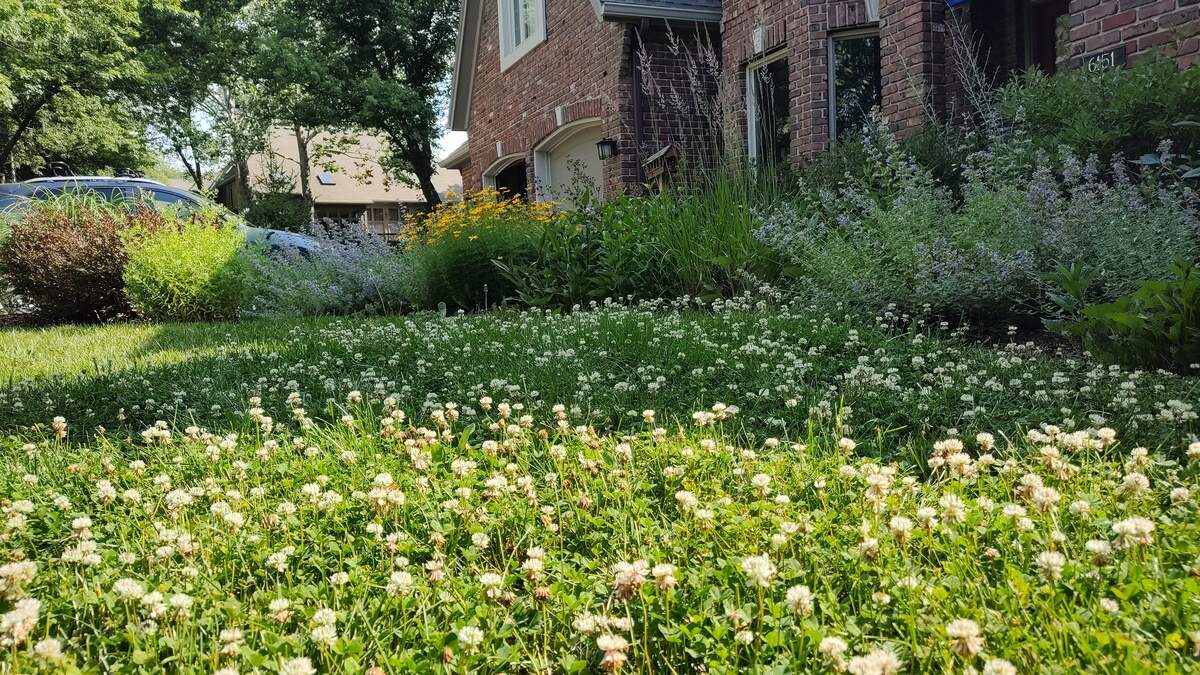
By midsummer, many homeowners begin noticing plants popping up where their lawns have thinned. The usual reaction is to reach for a weed killer, but not every plant growing in your yard is worth fighting. Some species can serve as useful stand-ins for turfgrass in shady, dry, or otherwise challenging locations.
Cool-season lawns are the most common type we have here in the metro area. Today, this area falls within USDA Zone 6b. Why is this relevant? Cool-season lawns tend to struggle with summer heat, especially when, according to the American Horticultural Society Heat Zone Map, we can expect 60-90 days above 86°F each year.
The best way to prevent weeds is to have a lush, healthy lawn. Unfortunately, this can require a significant investment of time and money. When turf begins to thin, other plants often move in to fill the gaps. But I am here to say, not all of them will negatively affect your landscape.
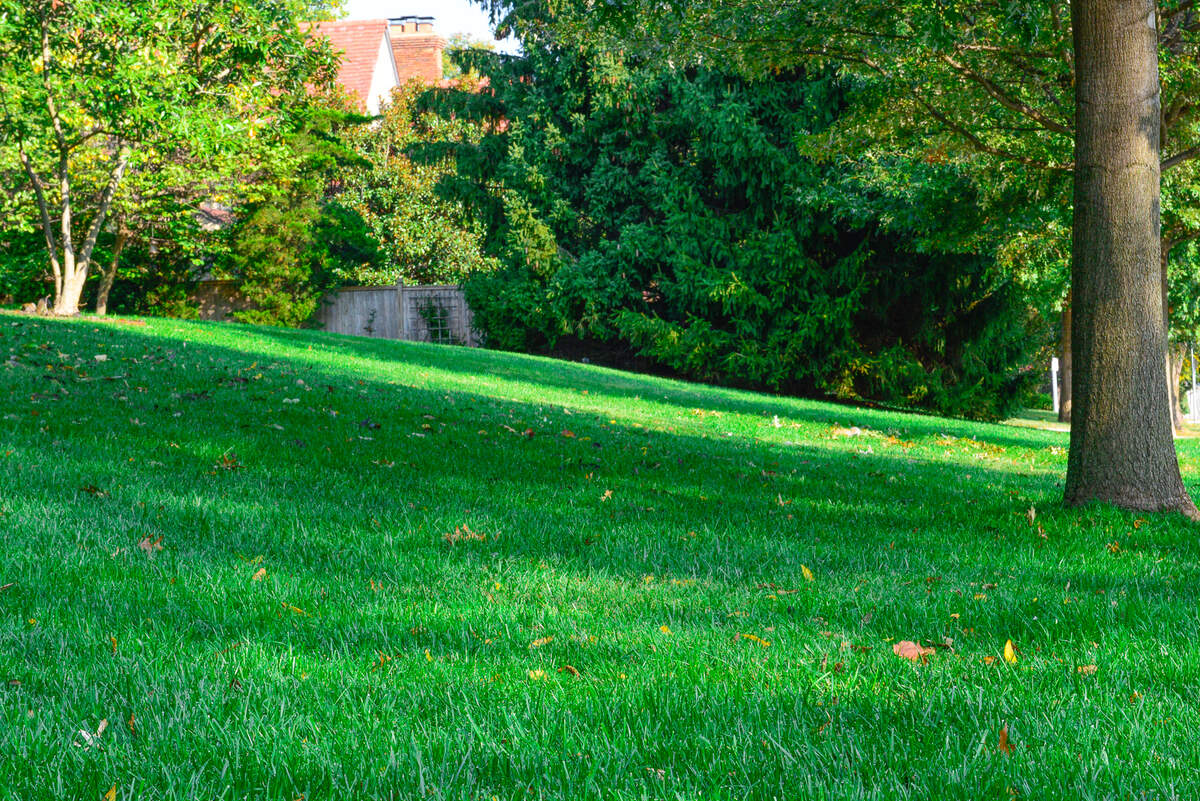
In areas with dense shade, some lawns won’t grow to look like soccer fields. Where the grass is thin, broadleaf weeds like common lespedeza, chickweed, black medic, and Asian dayflower find opportunities to establish themselves in the lawn. Once established, because these plants have a low, spreading growth habit, they frequently escape the blades of a passing mower, allowing for more growth, more flowers, and ultimately, more seeds.
Broadleaf weeds aren’t the only plants you will encounter. Grasses and grass-like species that spread aggressively can also get in on the action.
The usual crabgrass likes to rear its ugly head in a situation where the lawn is weak. Orchard grass, quack grass, Johnson grass, barnyard grass, foxtail grass, and dallisgrass can also appear. Each looks different enough from cool-season turf to become noticeable as it matures.
Yellow nutsedge may be the worst one that could gain a foothold. It produces bulbs called nutlets, and hand-pulling the plant doesn’t always remove them. Chemical control may be necessary to eliminate yellow nutsedge from your lawn completely.
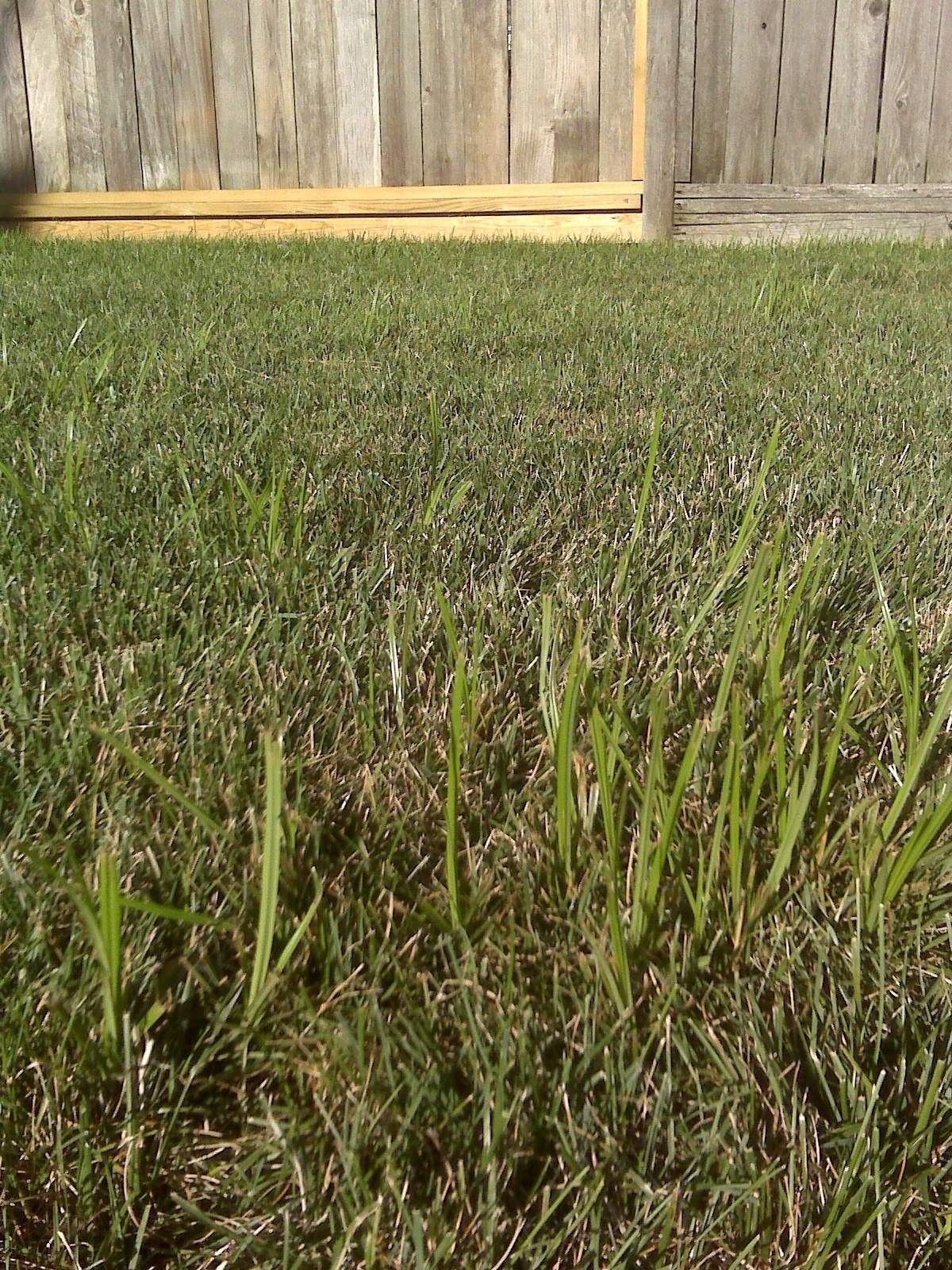
The weeds listed above can reduce lawn quality because they look distinct from turfgrass and generally do not tolerate heavy foot traffic.
While it might be easy to read the above section and think that all plants growing in bare spots on the lawn are weeds that will negatively impact the quality of my turf, if your goal is to have some semblance of a continuous lawn with little to no bare spots, there are some you should consider keeping. White clover, windmill grass, native sedges, and path rush are examples of plants that can serve as turf alternatives in hard-to-grow areas. These plants will start to look indistinguishable from your regular turf when they are mowed.
What should we do about these invaders? Mow them. While aggressive species can certainly create problems, a low-growing weed is often preferable to a patch of bare soil. Bare dirt can not only erode, but could eventually become the growing site of a much more aggressive, or possibly noxious, weed.
If you need help identifying weeds, please email photos to the Johnson County Master Gardener Hotline: garden.help@jocogov.org or 913-715-7050.
Markis Hill is a Johnson County, Kansas State University Extension horticulture agent.