
Beating the ‘bug boom’: How to control vegetable pests this summer
With the onset of consistently warmer temperatures, fruit and vegetable gardeners may soon, if they aren’t already, experience the dreaded “boom” in pest populations that accompanies every growing season.
As more and more warm days pass, various insects are provided with the necessary conditions needed to breed and multiply rapidly throughout the garden.
For gardeners who have stayed on top of their pest mitigation practices since last fall, this means now is the time to begin employing more extensive practices to control populations just beginning to show up. For gardeners who have been slightly more lenient in their control efforts, this means that populations already present are now likely to become significantly more substantial, with a core breeding population already large to begin with.
Nevertheless, the inevitable onset of these pests throughout the garden is not something that should scare away current or prospective gardeners from doing what they love. It is, however, an opportunity to revisit the best methods for maintaining control in the garden while it is still achievable.
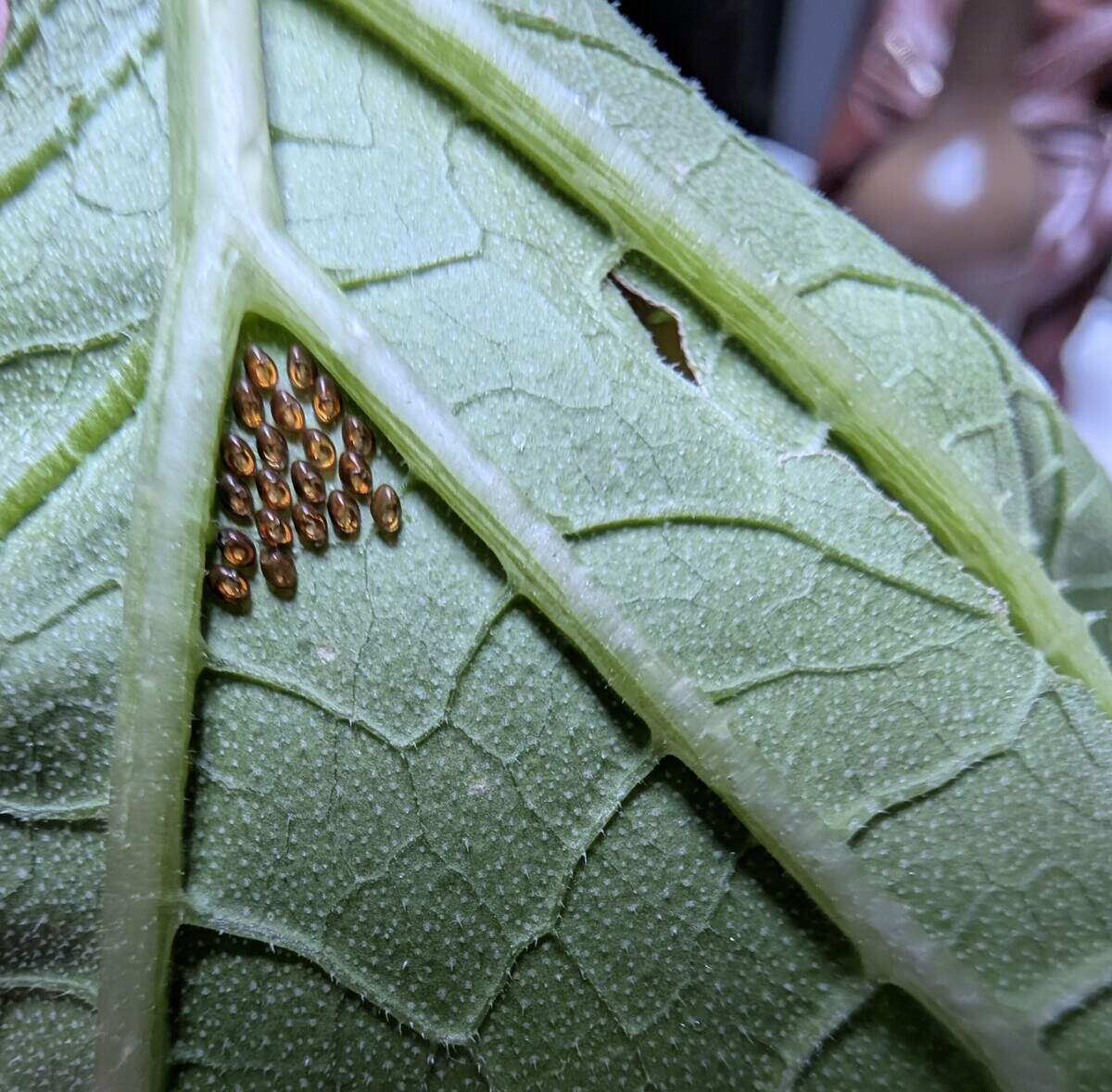
The most effective way to monitor pests in a vegetable garden remains regular checks of the undersides of leaves. To do so, look for insect droppings, casings, eggs, or the pests themselves. If you discover their presence, treatment varies by the insect.
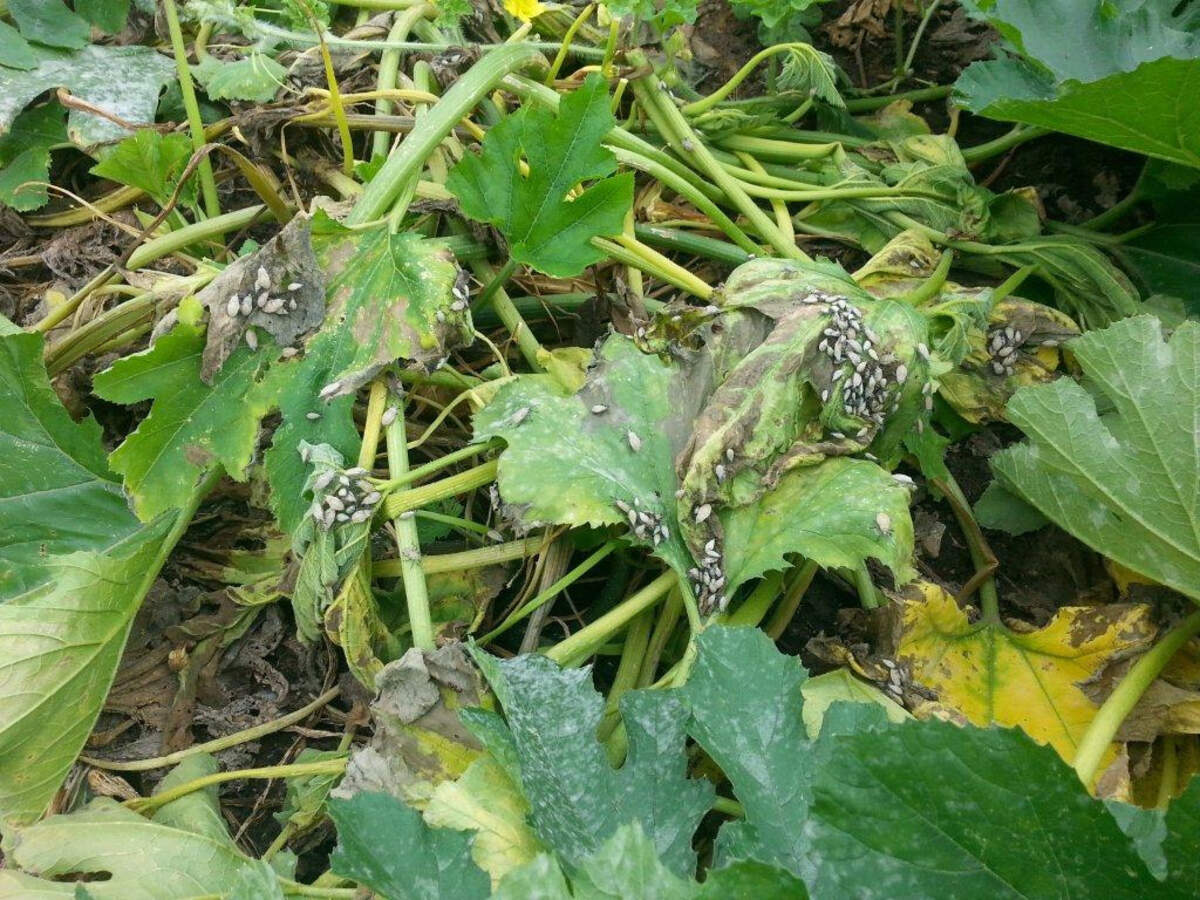
If discovering tiny insect casings or sticky residue, this often indicates those insects with piercing and sucking mouthparts that slowly siphon sap from plants, depleting their ability to feed themselves through photosynthesis. The best treatment for these pests, which include aphids, white flies, and thrips, is typically done with alternating treatment of neem oil and insecticidal soap.
By nature of Darwinism, insects resistant to certain controls often breed and multiply in a garden, passing on that resistance as a genetic trait. By alternating forms of treatment, as would be done here, gardeners can circumvent this happening while dual modes of action (how they’re physically effective) for eradication.
For caterpillars, then, organic insecticides with the biologically active ingredient Bacillus thuringiensis (BT) function by applying a bacterium that treats caterpillars without affecting others. Pyrethrum, another effective organic control, is also effective for caterpillars but has a broader range of insects that succumb to it.
Potentially, this includes the beneficial insects, which should be protected. Thus, application of these types of controls, even if they are technically organic by nature, should be done early in the morning or late in the evening while pollinators are less active. They should also never be applied to flowers themselves. If an infestation requires full plant treatment, it is better to remove any active flowers, treat the full plant, and then allow new flowers to form later, post-treatment.
Then, remember, not all pests even require a pesticide, organic or not, to be eradicated.
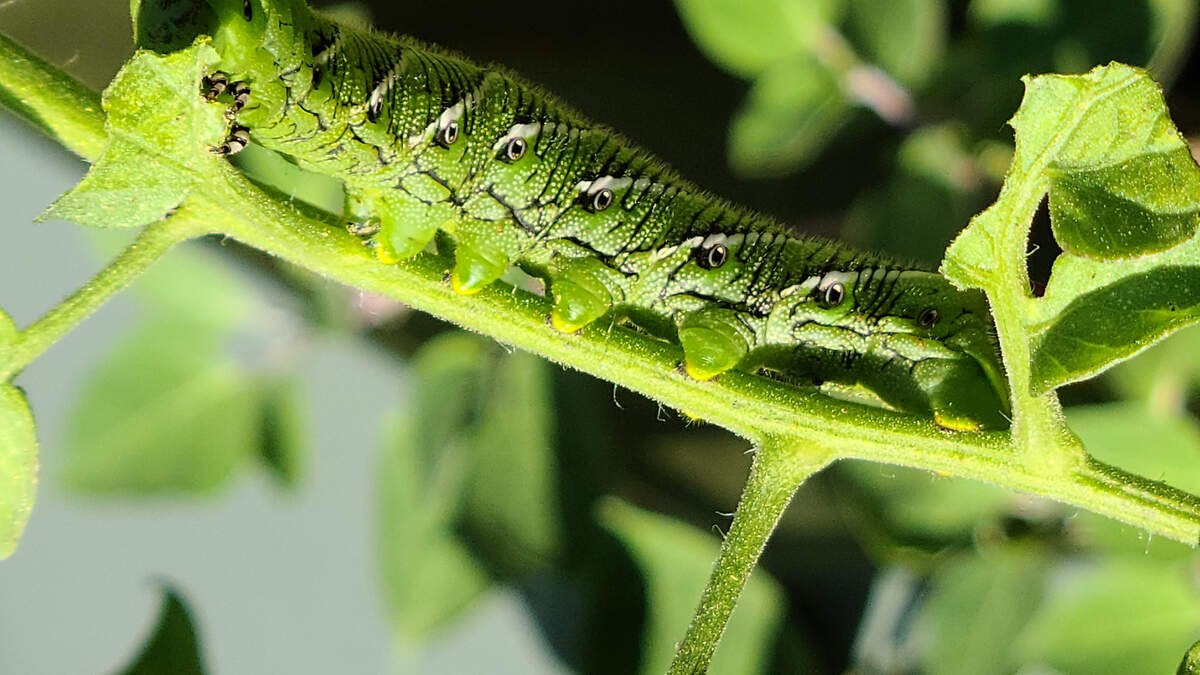
Spider mites are small enough that they can often be controlled by spraying plants with a strong jet of water a couple of times a week, which squishes them. Tomato hornworm caterpillars are often so large that they can be picked off plants and dropped into soapy water. And many beetles, as well as their eggs, can often be hand-plucked and dropped into soapy water as well.
Should infestations reach a point where treatment is needed, removing fallen organic matter from the area will help significantly, as will eradicating certain heavily infected plants. Altogether, your integrated pest management approach will help you have a successful growing season, regardless of any invaders.
Anthony Reardon is a horticulture agent with Johnson County, K-State University Extension. Have more questions? Contact the Johnson County Extension gardening hotline at 913-715-7050 or email garden.help@jocogov.org.