
What to do when the vegetable garden seems to be hitting pause as seasons change
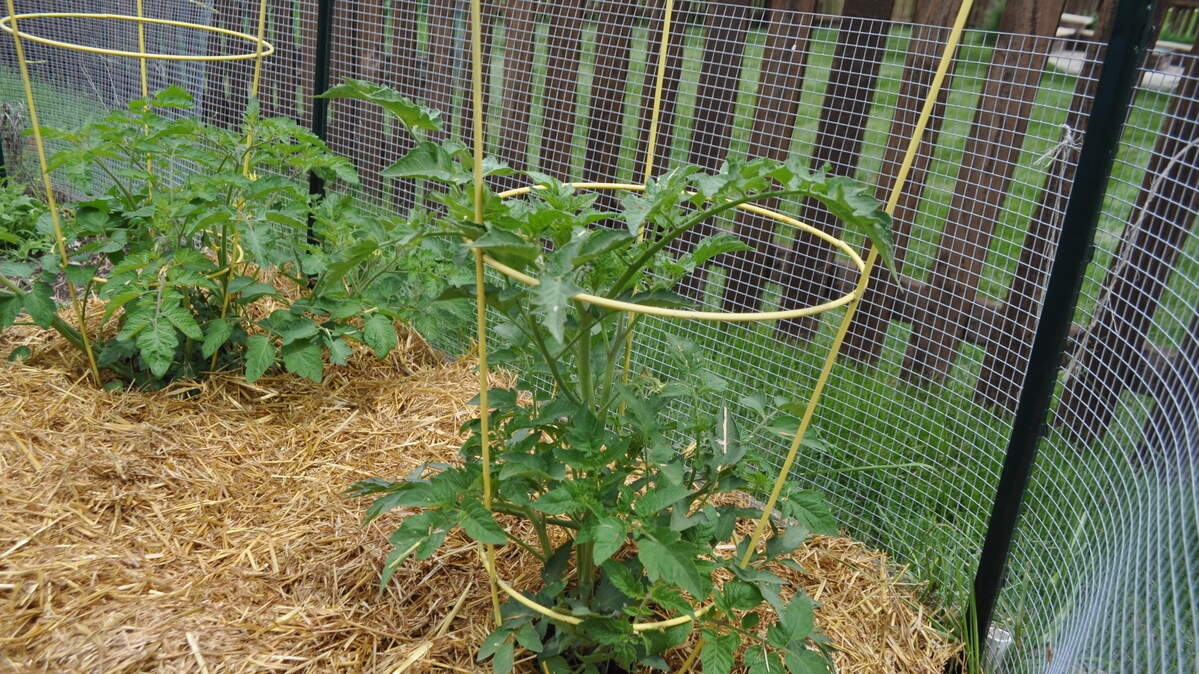
With the heat of summer not-so-gradually encroaching, yet strangely mixed with bouts of remnant winter, gardeners (and their plants alike) may be confused lately with what exactly they should be doing in the garden.
Particularly this growing season, where extremely warm warms have been followed by low lows, plants may be demonstrating the dreaded, yet inevitable, “stall out.” For many cool-season crops planted in the spring, new leaves failed to form, seedlings remained small or never emerged from the cotyledon stage, root structures failed to expand, and the plants themselves may have taken on a chlorotic or nutrient-deficient appearance. Instead of the typical spring growth spurt, some plants may have instead opted to pause entirely.
If your garden is experiencing this, you should first acknowledge that, no, you are not imagining things!
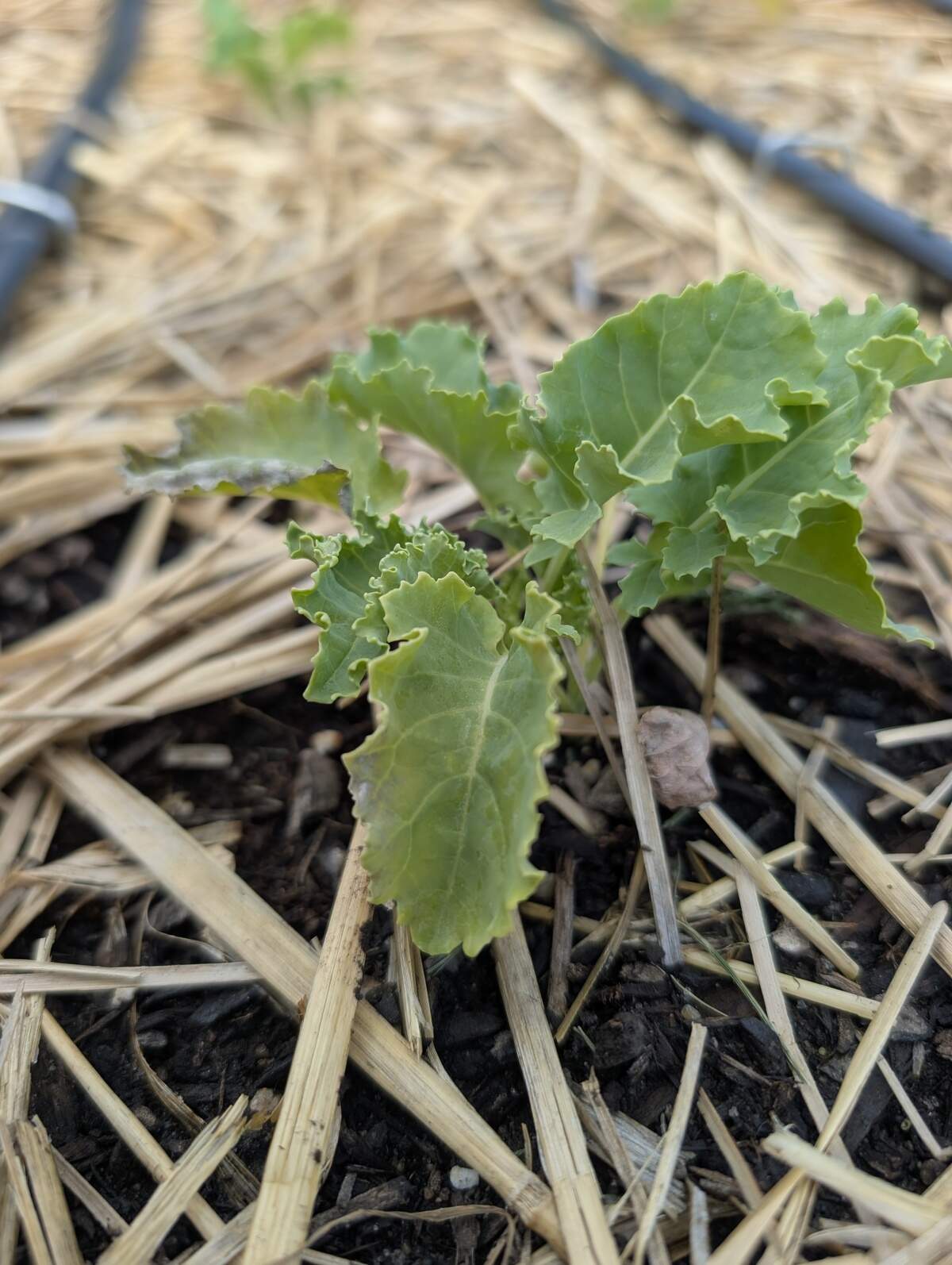
Many early-season crops, particularly those directly sown into the ground, have been delayed in their growth this year. It is not a result of your gardening expertise. It is, rather, a result of fluctuating ambient and soil temperatures, which trigger stress hormones in many plants, signaling that “they’re under attack.” Just as plants at actual risk of freezing or frying in the sun will attempt to protect themselves, so too have yours.
Putting it plainly, they’ve perceived a potential threat, and now they’re being a little dramatic about it.
As gardeners return to their plots to address this slowdown, it’s helpful to remember that it’s often temporary. With more consistent warm temperatures and steady soil moisture, plants can recover from stress and gradually resume normal growth.
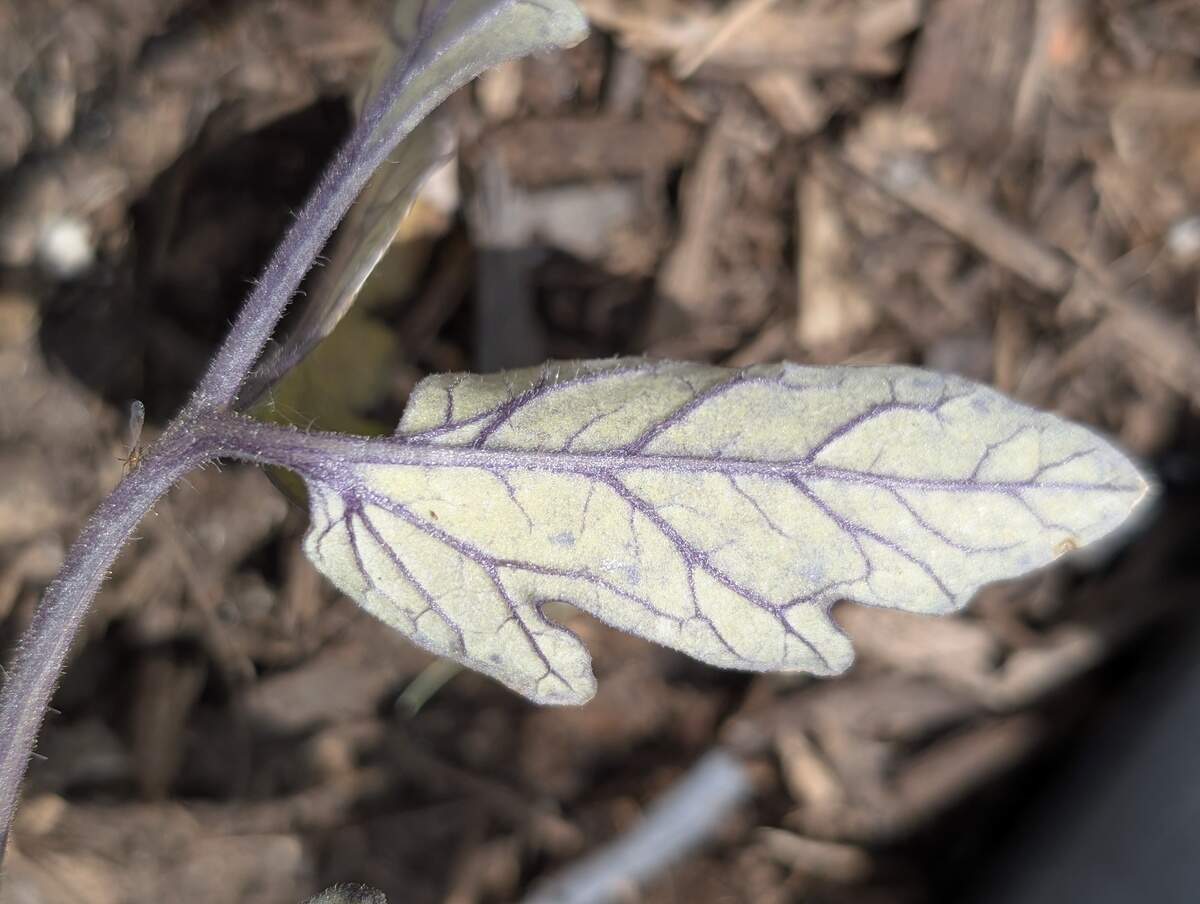
This is not to say, however, that they should entirely be left to their own volition. Spurred by cooler conditions, tomatoes, for example, may currently show signs of phosphorus or magnesium deficiency, indicated by purple veins on the undersides of leaves. Instances such as these are common with temperature fluctuations and typically resolve on their own, but they can also be assisted to a degree.
Supplying light side-dressing applications of suspectedly deficient nutrients to plants can help support their bounce-back, but gardeners should also then consider soil pH. Ultimately, nutrients can be abundantly available in a soil profile, but simply unabsorbable in the soil due to a high pH ‘locking’ them in, requiring further remedying to lower it. This information can be easily obtained through a soil test, often available at your local Extension office.
All said, however, gardeners should also bear in mind that soil tests typically have a 1- to 2-month turnaround time. This leaves any actual soil amending efforts landing somewhere in the middle of July, far beyond the window for many remaining spring crops.
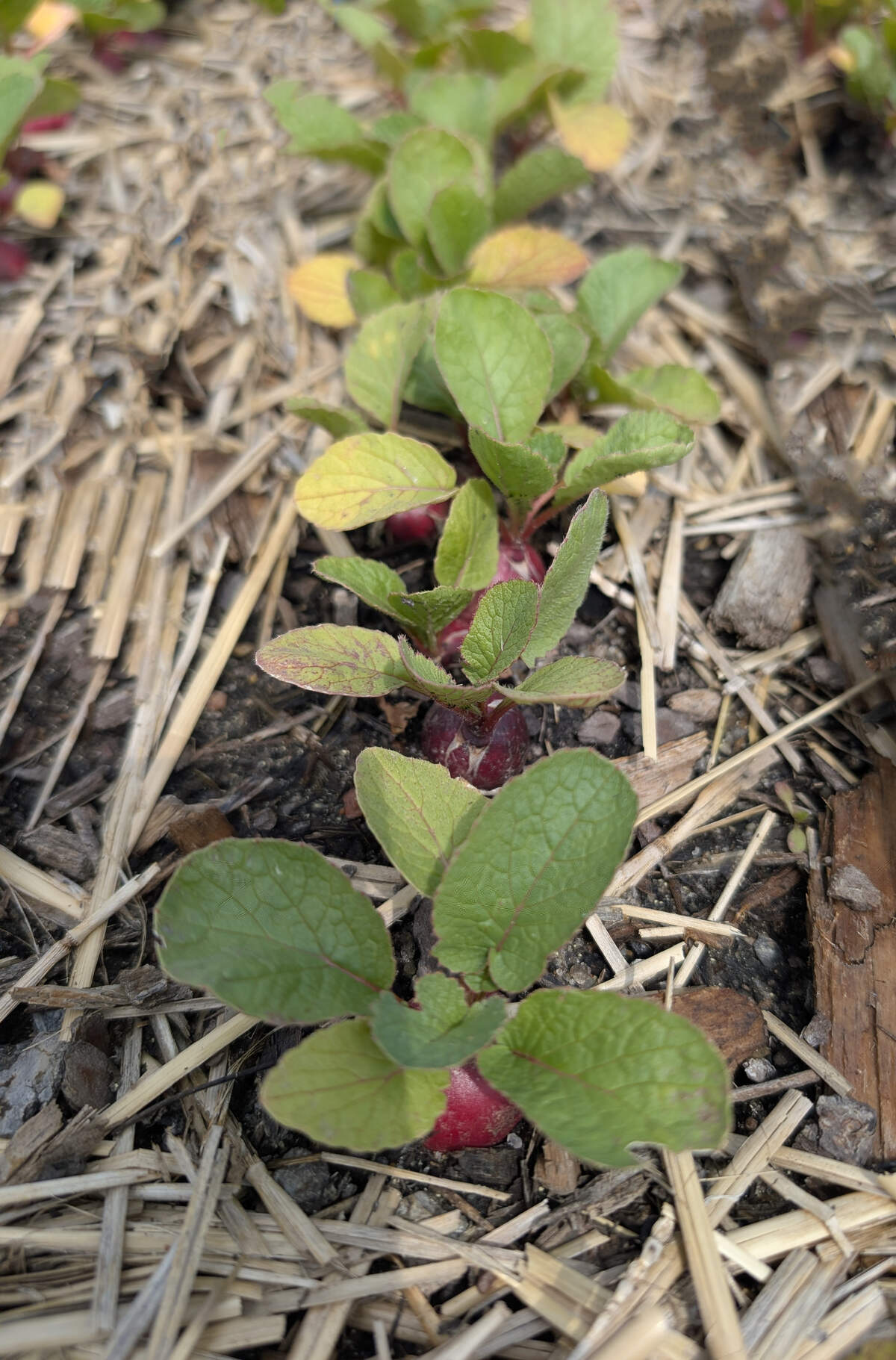
As such, if still experiencing stalled plant growth at this point in the year, depending on the crop and its growth length, the best remedy may be to install new warm-season transplants instead. Plants still struggling to break out of the cotyledon phase may be occupying valuable finite garden space that actively growing plants could otherwise use. With (mostly) consistently warm temperatures now arriving, the worst of temperature-driven stress should be kept at bay, followed by soon-to-be-seen production. Your harvest season is just around the corner.
Anthony Reardon is a horticulture agent with Johnson County, K-State University Extension. Have more questions? Contact the Johnson County Extension gardening hotline at 913-715-7050 or email garden.help@jocogov.org.