
Think before you spray: How to apply herbicides responsibly in Kansas City
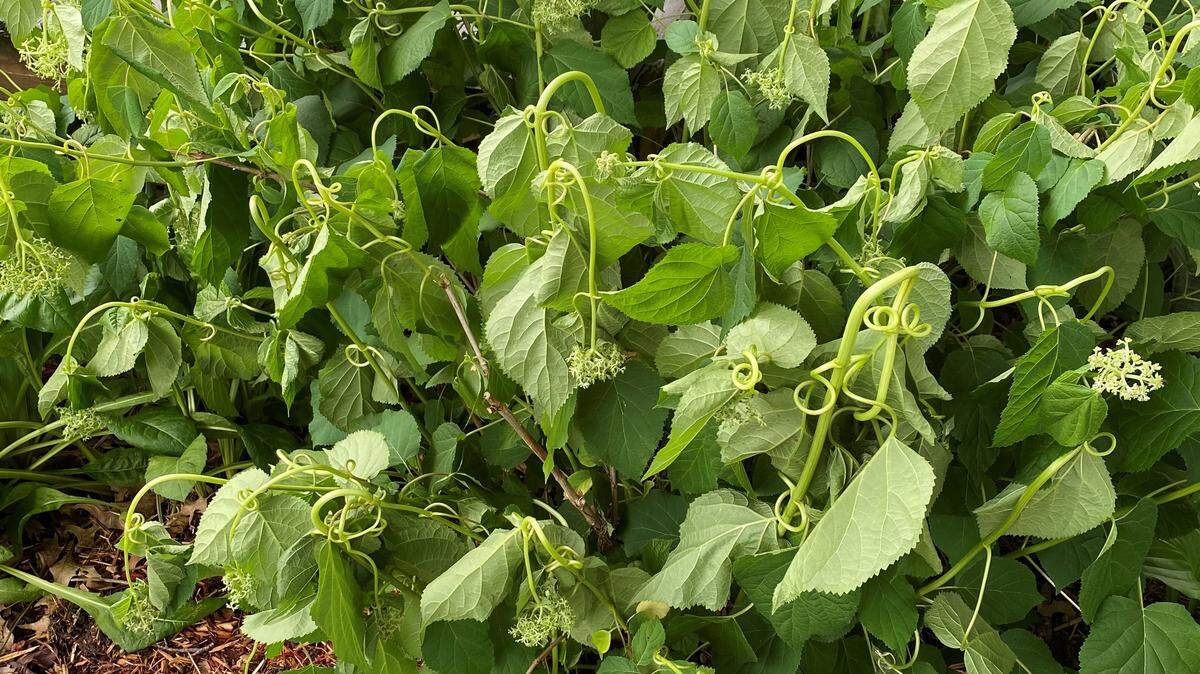
The recent spring rains have brought much-needed moisture to our landscapes, but they’ve also encouraged another kind of growth: weeds.
Across suburban neighborhoods, herbicides are widely used for weed control. However, these products are often applied without a full understanding of how easily they can impact plants beyond the intended target. Unfortunately, many people apply these products without fully understanding how easily they can affect more than just the weeds they target.
Herbicides have been widely used since the end of World War II, and today they are easier than ever to purchase and apply. Garden centers carry everything from ready-to-use spray bottles to concentrated products that require mixing. While these products are convenient, convenience can sometimes lead people to overlook important safety instructions.
Every herbicide product comes with a label, and that label is far more than marketing information. It contains legal instructions for proper use, including application rates, recommendations for protective equipment, environmental hazards, and weather conditions that can affect performance and safety. Too often, people look only for the mixing directions and ignore the rest.
One of the biggest misconceptions about herbicides is the idea that spraying only affects your own yard. In reality, herbicides can easily move beyond the intended target through drift or volatilization.
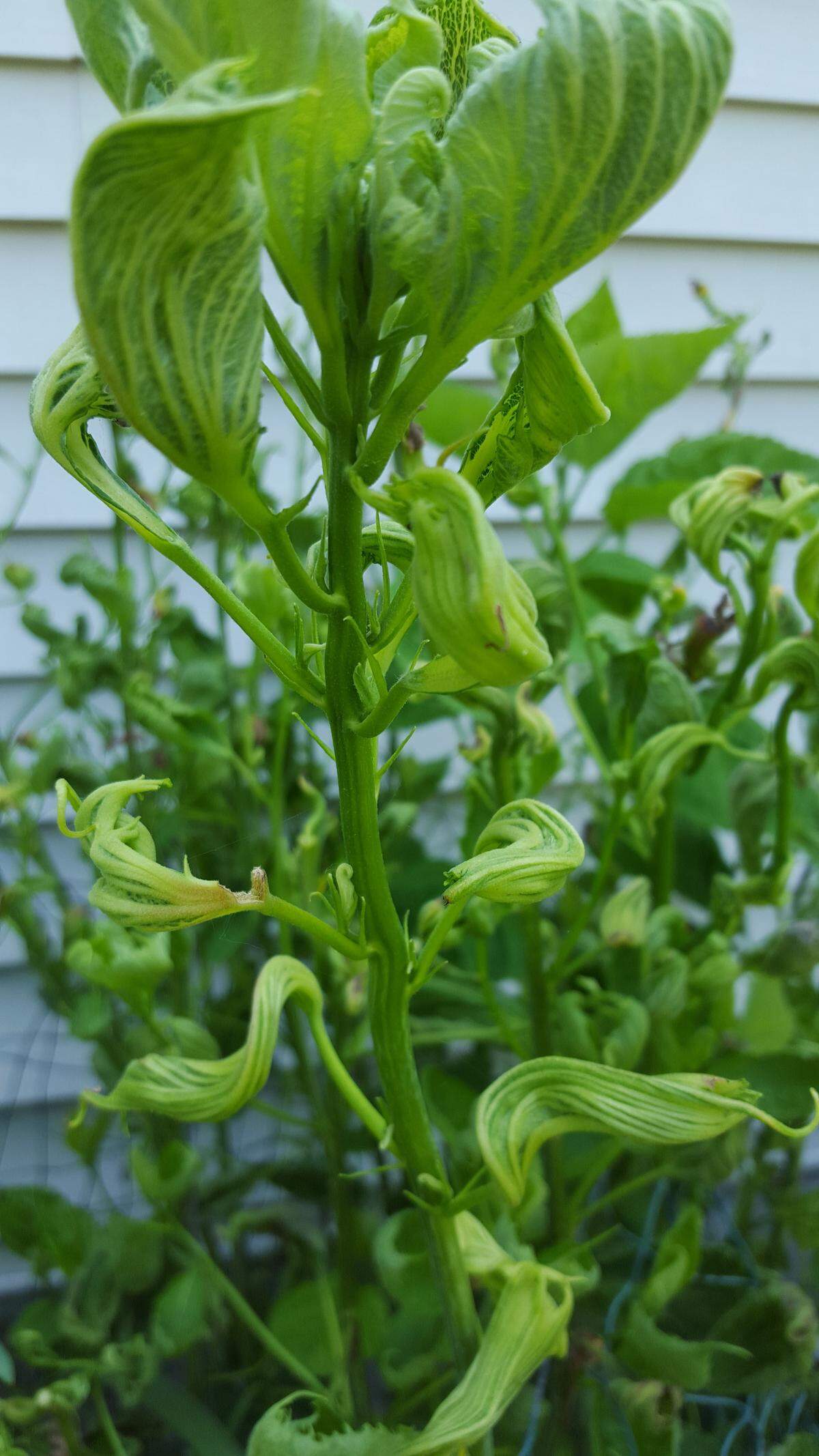
Drift occurs when tiny spray droplets are carried by the wind onto nearby plants. While larger droplets fall quickly, smaller droplets can remain suspended in the air and travel surprising distances before landing. Sensitive plants may show leaf curling, distorted growth, discoloration, or even die from exposure to very small amounts of herbicide.
This is why wind speed matters so much. Many herbicide labels warn against spraying when winds exceed 10 to 15 miles per hour. Even light gusts can move spray onto neighboring trees, gardens, or landscape plants.
Temperature can also create problems. Some herbicides should not be applied during high temperatures because the chemicals can volatilize, meaning they change into a gas after application. Once airborne, those vapors can move off-site and injure nearby plants far from where the spraying occurred.
.jpg "herbicide injury on redbud (1).jpg")
Fortunately, a few simple precautions can greatly reduce the risk of unintended damage. Always check the weather forecast before spraying. Avoid windy days and watch for rising temperatures. Spray during the early morning or evening when conditions are generally calmer and cooler. Keeping the spray nozzle close to the target area also helps reduce the drift of droplets.
No application method is completely risk-free, but carefully following label directions is the best way to protect yourself, your landscape, and your neighbors’ plants. Responsible herbicide use is not just about controlling weeds—it is also about being a good steward of the environment and the community around you.
Markis Hill is a Johnson County, Kansas State University Extension horticulture agent. Need help? Contact the Johnson County Extension gardening hotline at 913-715-7050 or email garden.help@jocogov.org.