
Plant these heat-loving florals for a pop of color in your KC garden this summer
In Kansas, it gets hot in the summer. This shouldn’t come as a surprise to anyone who has lived in the KC metro for longer than a year. What might surprise many people is that there are plants that absolutely love extreme heat. These plants make an excellent pop of color for a garden space long after many spring bloomers have faded.
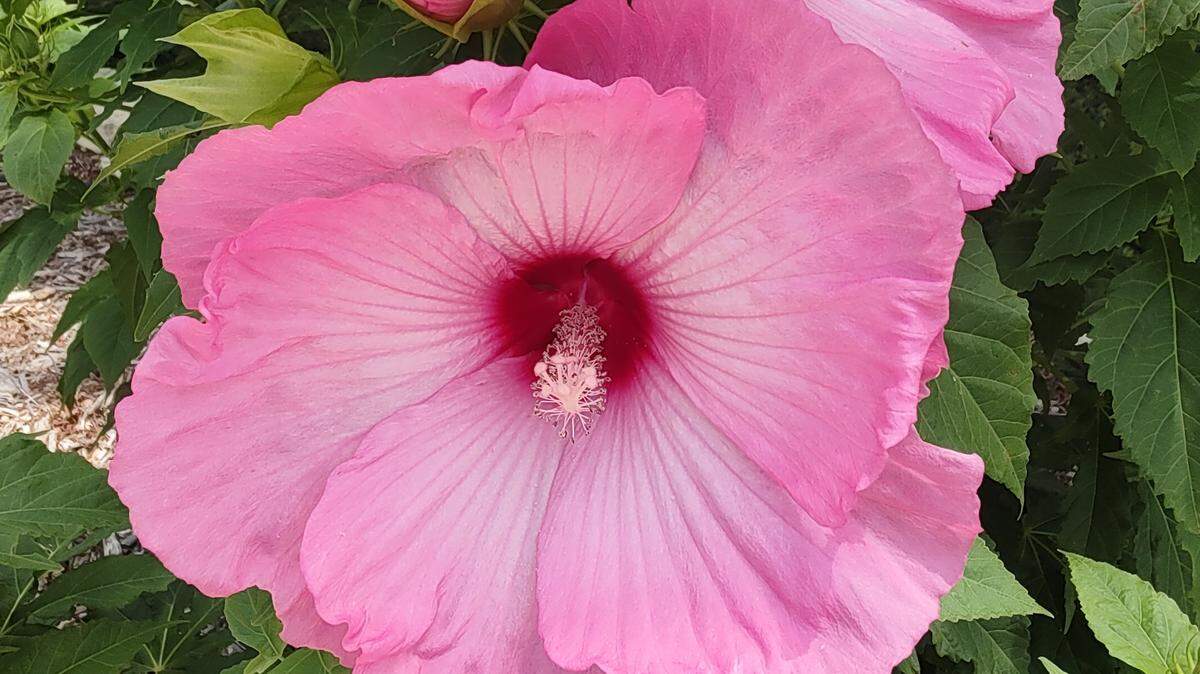
If you have a wet area or one that stays wet the longest, and it is sunny most of the day, a great plant for this area would be hibiscus. There are several species of hibiscus, including woody tropical shrubs (Hibiscus rosasinensis) and Rose of Sharron (Hibiscus syriacus).
However, I am referring to Hardy Hibiscus, a herbaceous perennial that dies back to the ground every year. There are 5 common species on the market, which are often hybridized to create cool and unusual cultivars. Species include Hibiscus coccineus, H. laevis, H. militaris, H. moscheutos, and H. palustris.
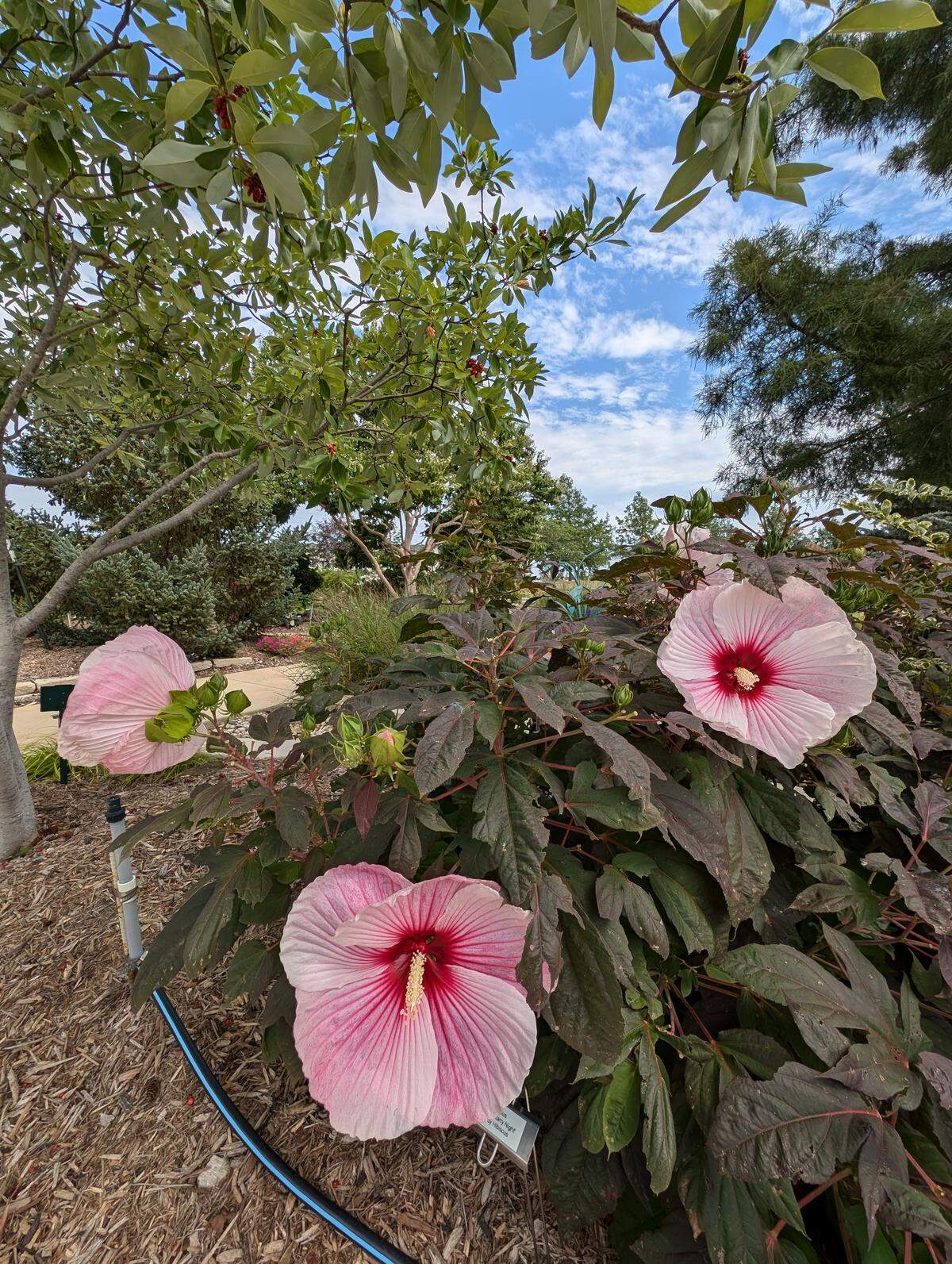
So, they are hardy and like the heat, is that all? No, that’s far from the only cool thing about these plants. The flowers attract many people to these plants.
These flowers can be as big as dinner plates, which is about 10 inches across. And these flowers are full of nectar and attract many different pollinators like hummingbirds, butterflies, and a specialist pollinator, the rose mallow bee. In addition to attracting pollinators to its flowers, Hardy Hibiscus is a host plant for at least 28 species of butterflies and moths.
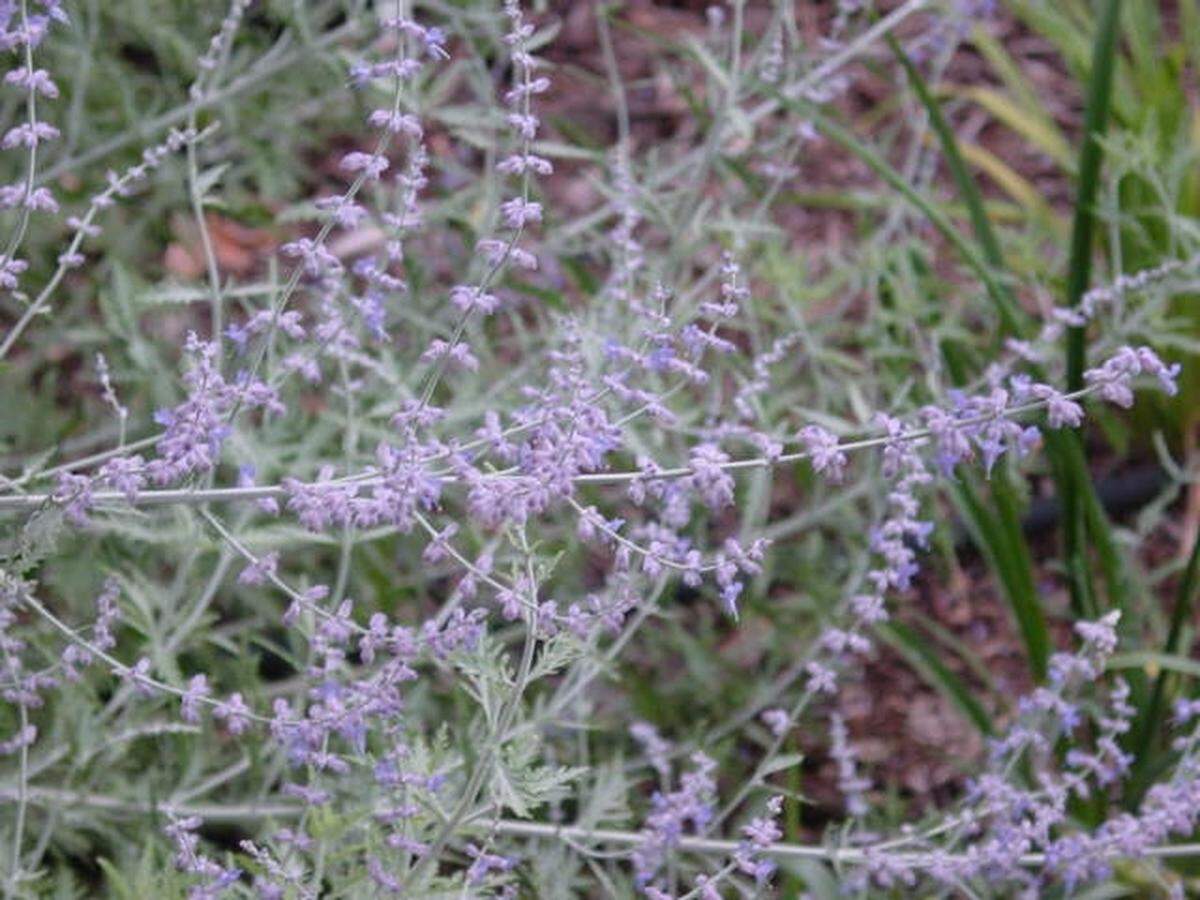
Don’t like big flowers? What about some much smaller ones? Russian sage (Salvia yangii) is a perennial plant that handles many different harsh conditions. The leaves have heavy pubescence (plant hairs), giving them a silvery appearance. The flowers complement the foliage with their soft lavender color.
Whether it is hot parking lot islands or neglected containers on Main Street, these plants will grow. Sometimes a little too well. Russian sage is considered an aggressive plant that will spread from seed and underground runners.
If you have read my articles before, an aggressive plant might not seem very appealing. But there is an appeal to the plant if you are interested in providing food for pollinators.
The flower spikes that emerge from these plants attract bees. All sorts of generalist pollinators will jump from one flower to the next, getting their fill on nectar. There are lots of flowers and lots of nectar, and these plants bloom for about 2 months. They are truly a great option for gardeners who need something to grow in a hot, dry area.
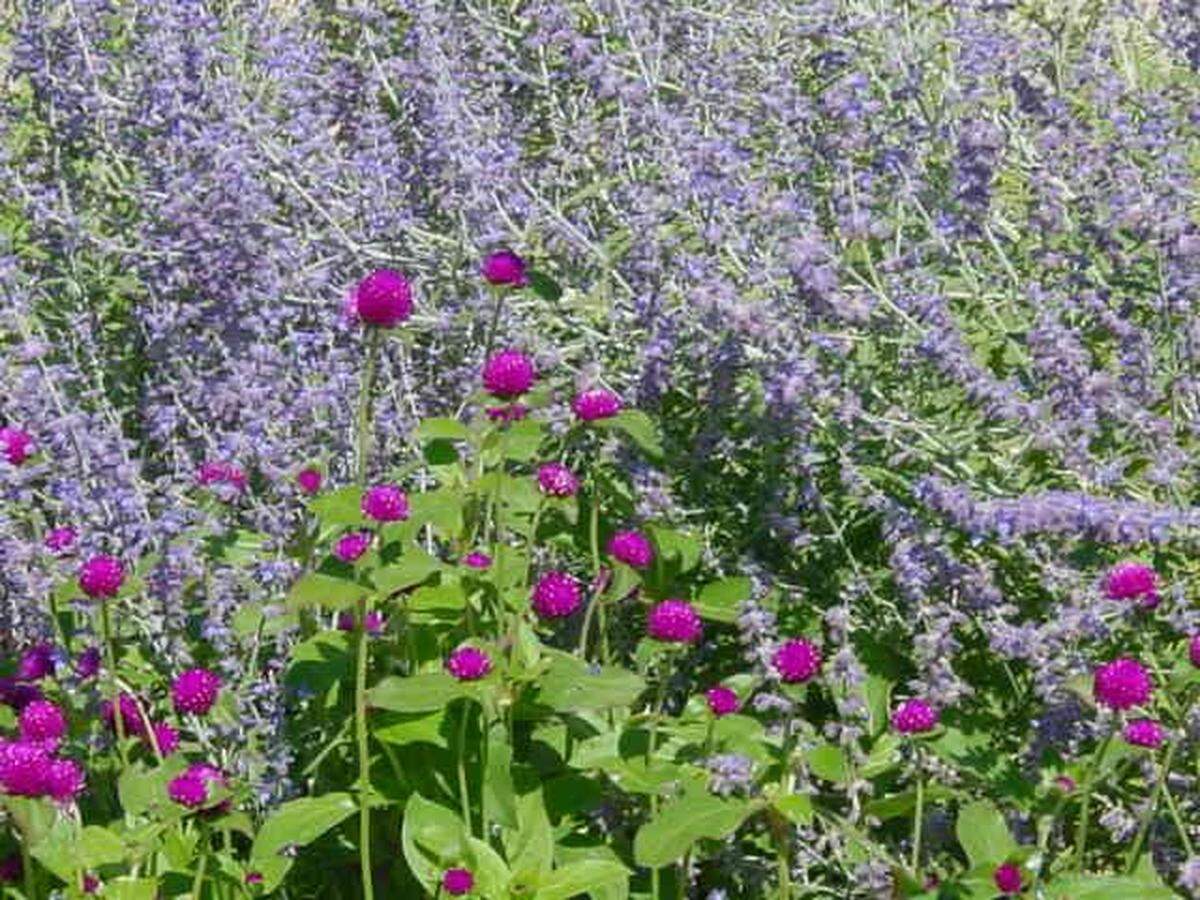
The summer brings many challenges to the garden, one of them being finding plant material that will handle the heat of the Great Plains. Above are two solid options for people wanting summer color, suitable for wet or dry conditions, and that also provide pollinator interest. There are plenty of perennial options that will remain resilient in the face of extreme temperatures and prolonged drought.
Don’t let another summer go by without adding floral color to a vacant space in your garden.
Need inspiration before tackling those hot summer garden spaces? Our Demonstration Gardens are full of perennial ideas that thrive in Kansas conditions. And yes, this is also your friendly reminder that tickets for the 2026 Johnson County Extension Master Gardener Public Garden Tour are on sale now. Don’t wait too long. The tour only happens every other year, so the next one won’t roll around until 2028.
Markis Hill is a Johnson County, Kansas State University Extension horticulture agent. Need help? Contact the Johnson County Extension gardening hotline at 913-715-7050 or email garden.help@jocogov.org.