
How ‘listening’ to the weeds in your garden can help identify right solution
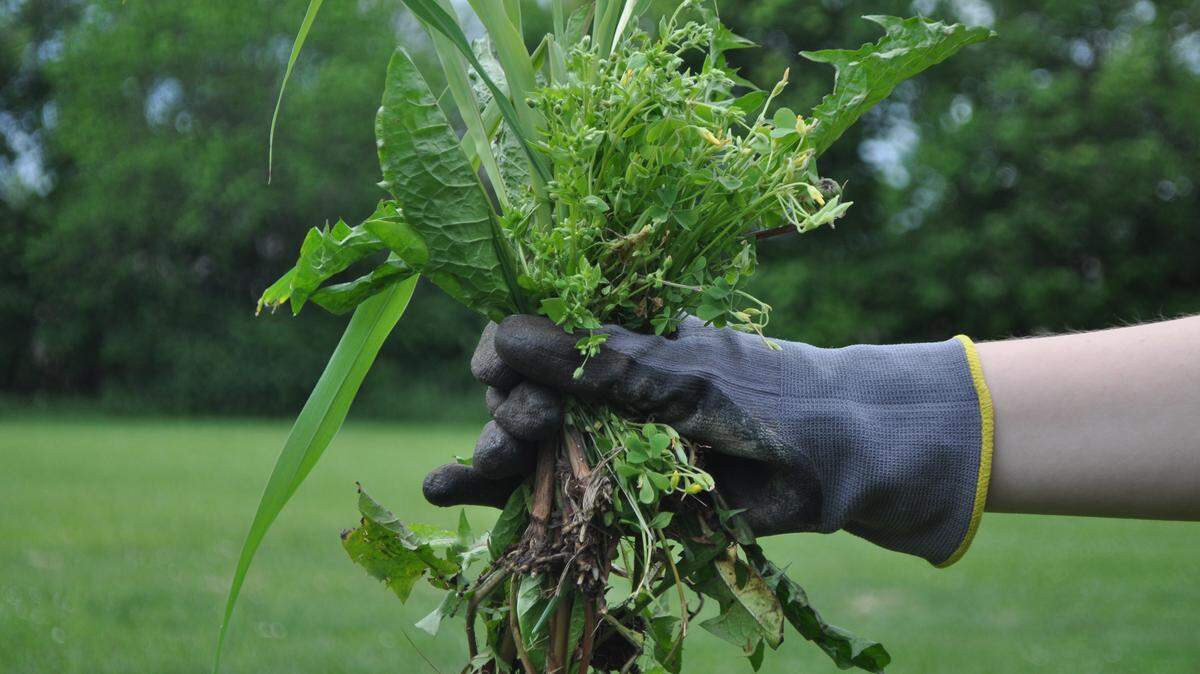
As the growing season enters full swing, gardeners may currently be looking across their beds, both grateful for the lush specimens they’re nursing to productivity and dreading the thought of pulling their less-desirable counterparts: weeds.
Although weeds are rarely the favorite part of any gardener’s maintenance regimen, taking a look across your gardens and making notes of what is popping up, and where, can actually assist in divulging helpful information when it comes to the care of your more desirable plants.
As with all plants, weed plants have particular moisture, nutrient, soil composition, light, and space requirements that they favor over others. Knowing this context, while acknowledging that outliers exist, gardeners can use the information gleaned to their advantage.
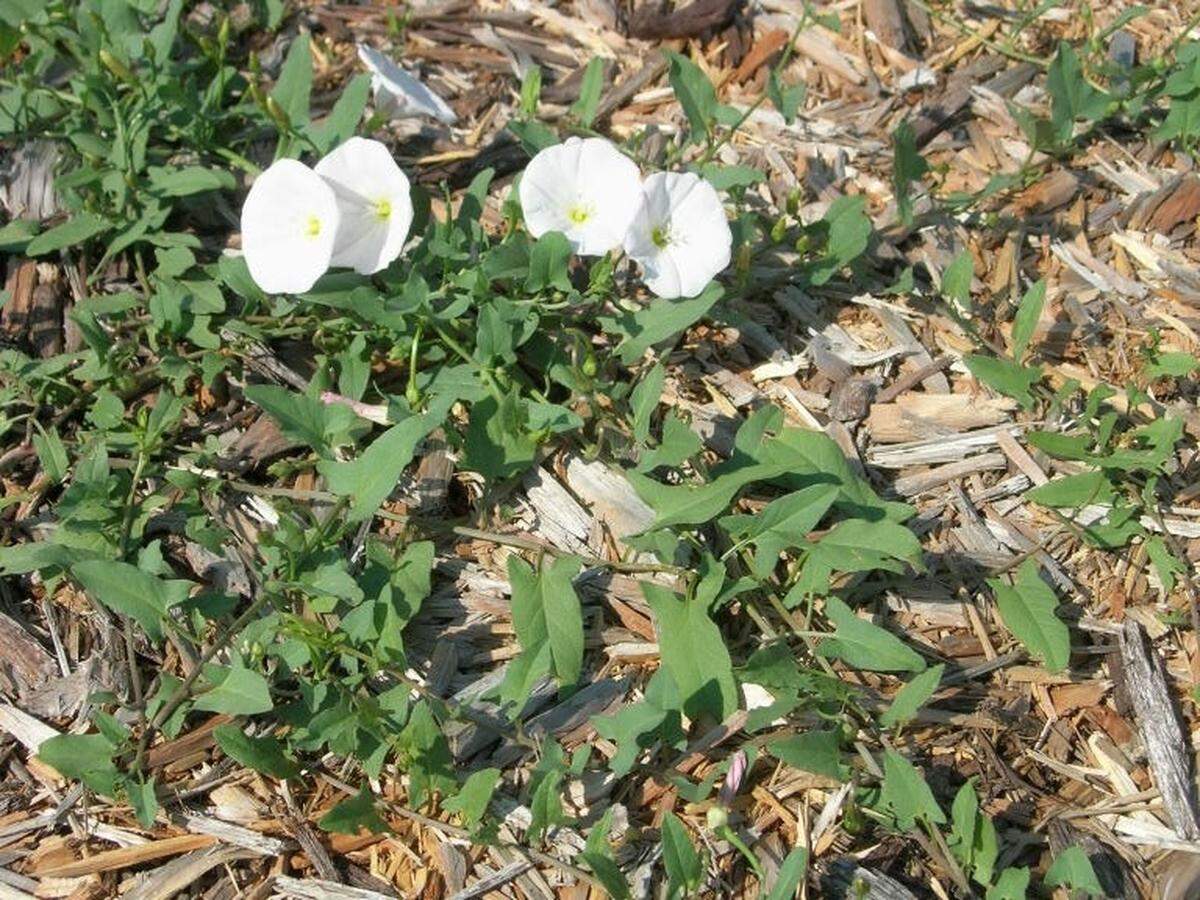
Moist soil weeds
A classic example is nutsedge. Triangle-shaped, prolific, and ever-challenging to manage, nutsedge is a bane to many gardeners’ existences because the underground nutlets formed within its roots establish new plants for every single plant that grows.
One contextual bit these weeds offer, however, is that they tend to primarily pop up in exceptionally wet areas. Knowing this, gardeners can determine whether they need to plant water-loving plants in the area, amend the soil with compost, or adjust their irrigation strategy.
Either way, the presence of the nutsedge has given a clear roadmap for corrective maintenance on an issue that often isn’t noticeable until root rot sets in.
Weeds in compacted soil
Elsewhere, weeds such as plantain and knotweed tend to arise primarily in heavily compacted soil, often along walkways or in areas of dense clay, because their roots are adapted to tough environments.
Spotting these, gardeners can know, once again, to add compost, as it will help enhance soil structure, whether it is too dense or too sandy. Then, they can also decide whether a little extra effort into tilling the area would be beneficial, further assisting the roots of the intentional plants in expanding and absorbing water that is retained rather than deflected.
Other possible causes of weed abundance
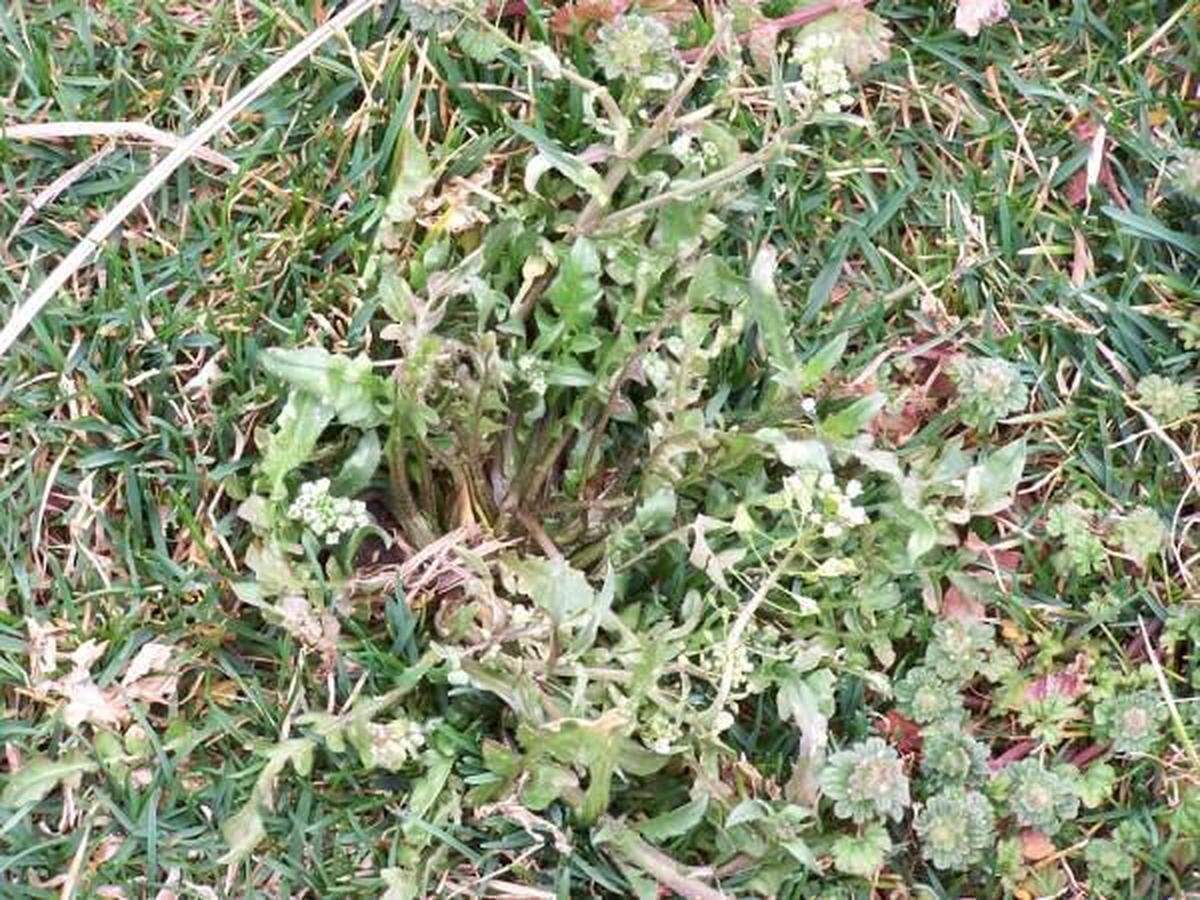
On the simpler side of indications, having an abundance of various weeds popping up in a specific area can indicate many recent events. This can include too much openly exposed soil from a lack of mulching, too much overturned soil from over-tilling, exposing the old seedbed, or too many plants that were allowed to flower and go to seed, building the seedbed. In essence, the presence of the weeds offers a crystal ball into past events in a garden.
So, remember, by finding weeds, noting their location, relating them to a condition, and choosing corrective actions based on that condition, gardeners can begin to form maintenance diagnoses for their gardens through weeds.
Though signals may overlap (compaction, moisture, and disturbance, after all, can exist all at once), the presence of particular weeds, without overanalyzing them, can lend helpful clues to what your desirable garden plants need done in order to thrive. All you have to do is notice and listen.
Anthony Reardon is a horticulture agent with Johnson County, K-State University Extension. Have more questions? Contact the Johnson County Extension gardening hotline at 913-715-7050 or email garden.help@jocogov.org.