
Don’t let stress about transplanting seedlings go to your head: Garden tips
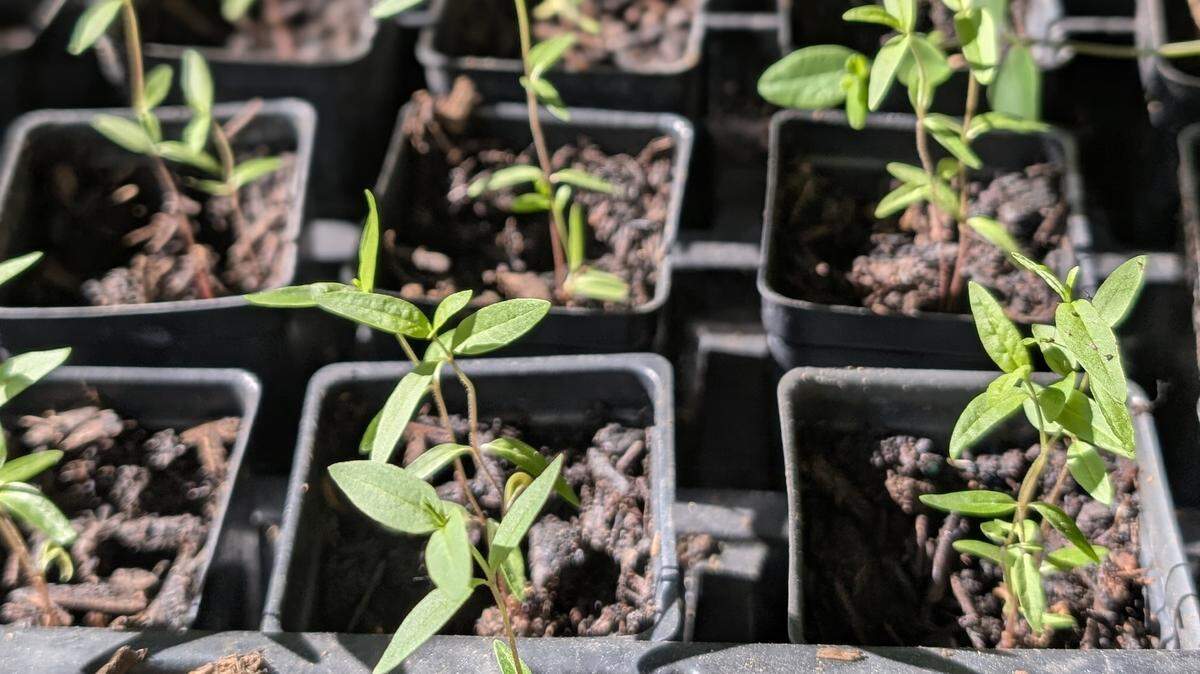
With many vegetable gardeners soon ready to introduce their warm-season transplants to the great outdoors, so too might they be dreading an ‘inevitable’ decline in their labors of love.
In typical fashion, transplants are hardened off by gradually introducing them to outdoor conditions, leaving them exposed to the elements for increasing amounts of time over a couple of weeks. Yet, even after this, some plants find the introduced stress particularly taxing, showing as rapid wilting and a prolonged stalling of growth that will worry even the most experienced gardeners.
Nevertheless, gardeners shouldn’t accept transplant shock as an inevitability. With proper attention to the details, transplants can often be established with little cause for alarm.
Begin by knowing the key elements of stress in relation to your plants.
Get to the root of the matter
Root disturbances are okay for several plants, such as tomatoes, peppers, eggplants, and okra, but should be avoided with crops like squash, beans, and cucumbers. It is for this reason that the latter are typically recommended to be direct-sown into the ground rather than transplanted from plugs.
Nevertheless, paying attention to the level of root stress plants can tolerate is an important first step. Before opting to leave the roots completely alone, however, gardeners should take care to ensure that root balls are not bound together, loosening entwined, circling roots.
All about those temperatures
Then, looking at the environment, gardeners should pay close attention to both wind pressure and ambient temperature.
Greater winds and warmer temperatures can quickly wilt transplants, drawing moisture out of their breathing pores called stomata. Alternatively, low wind and cooler weather allow plants a “comfy” environment to settle into their new home.
However, soil temperature in particular should still be accommodating to this. Warm-season crops typically prefer soils at 60–70 degrees Fahrenheit and will likely stall growth at temperatures below this.
A little moisture goes a long way
When it comes to moisture, gardeners will also do well to remember something informally called the “soil moisture interface effect.”
This occurs when two soils of differing moisture content are brought into contact, with the drier soil drawing water from the other. With transplants, where root systems are confined to a very small space, this can be a quick death sentence if the soil they are planted in is particularly dry.
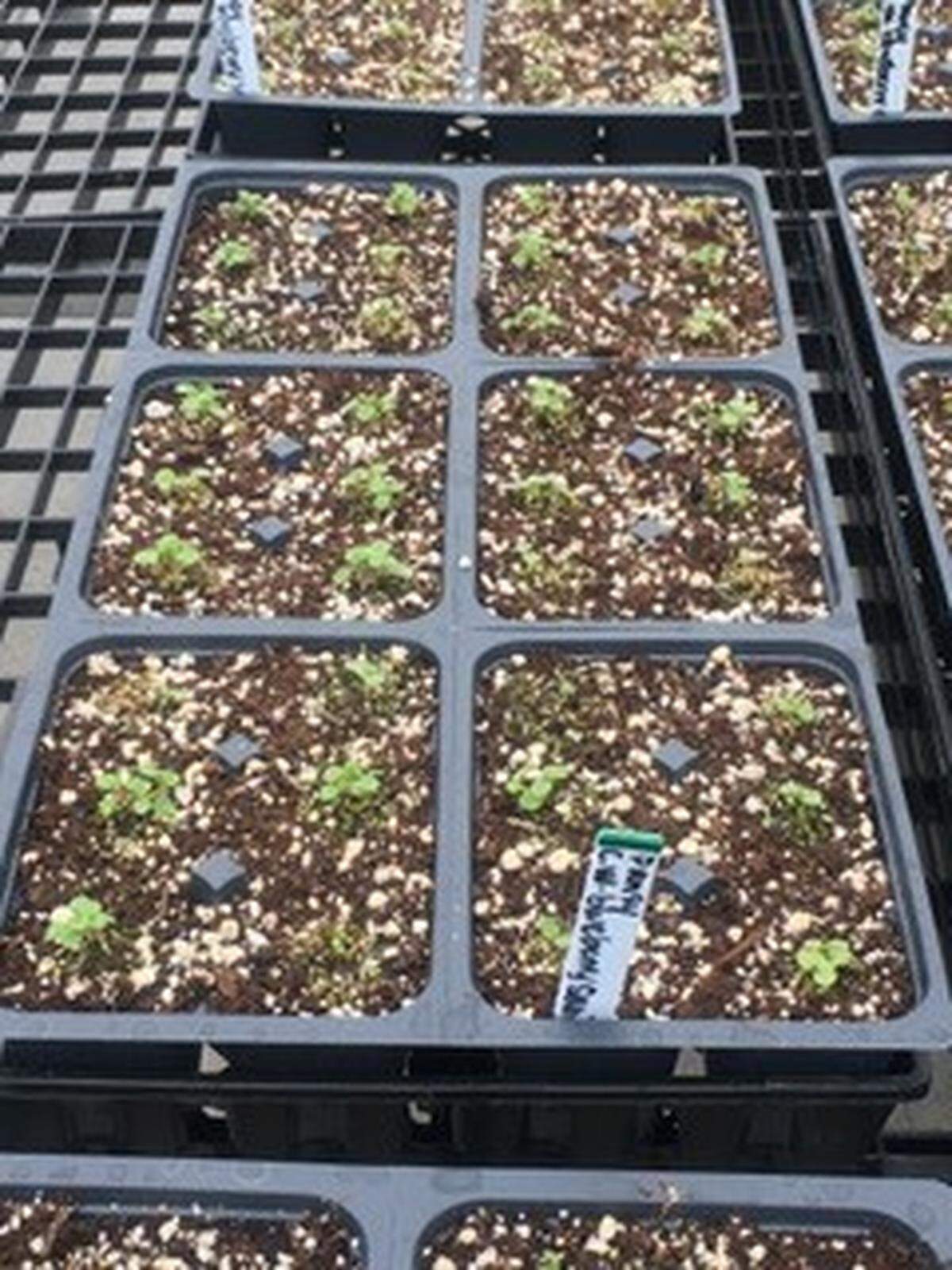
Remember to water the gardening space both before and after planting to help mitigate this, then back off on watering (while keeping it moist) to encourage root spread.
Finally, while observing a likely delayed growth response in plants, remember that they are doing exactly what they should be doing; you just aren’t able to see it.
Beneath the soil surface, fibrous plant roots will be busy spreading, anchoring, bonding, and absorbing with their new environment. Your plant, while seemingly paused, is allocating its initial energy towards this growth so that it can sustain itself with large surface growth later.
All in all, a little patience, with some background knowledge and preemptive forethought, can help you and your plants avoid transplant “stress” this growing season.
Anthony Reardon is a horticulture agent with Johnson County, K-State University Extension. Have more questions? Contact the Johnson County Extension gardening hotline at 913-715-7050 or email garden.help@jocogov.org.