
How local Master Gardeners are making a lasting impact in Johnson County
When I’m out in public, I’m often asked what I do for work. When I answer that I’m a K-State Extension agent, the most common response is, “What is an Extension agent?”
The short answer is that Extension is the outreach arm of Kansas State University. We connect university-based research directly to the public, turning science and expertise into practical, local solutions. In my case, that often means answering questions about trees, shrubs, flowers, lawns, and the labor-intensive world of turfgrass management.
But that’s only a small piece of the work. A major part of my role is supporting nearly 500 Extension Master Gardener volunteers here in Johnson County.
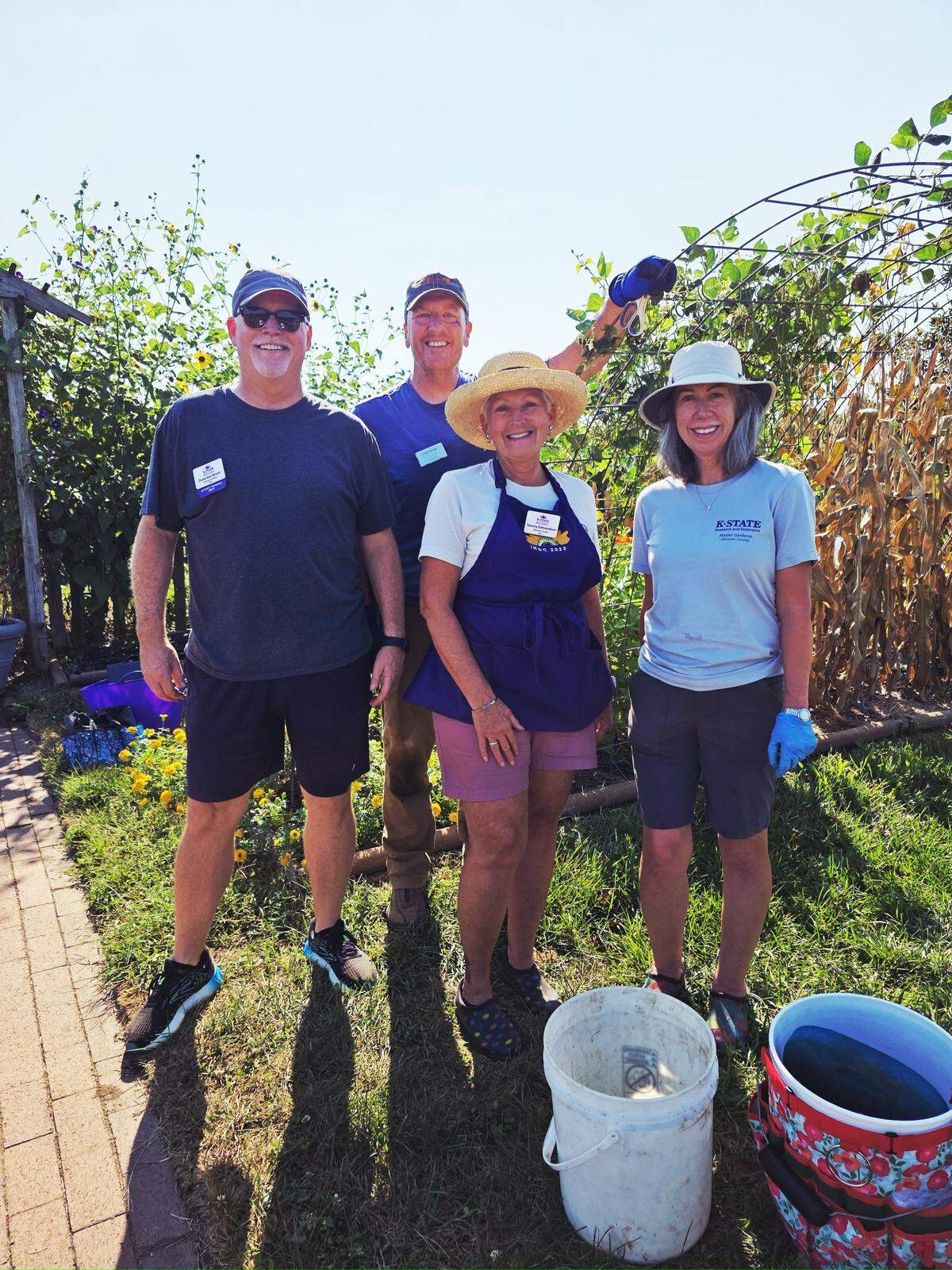
Across Johnson County, K-State Extension programs have more than 1,100 volunteers contributing their time and expertise. These volunteers support 4-H youth development, horticulture, Master Naturalist, Master Food Volunteers, Volunteer Income Tax Assistance, and the Master Gardener program. Their service is the backbone of much of what Extension accomplishes locally, and we are deeply proud of their impact.
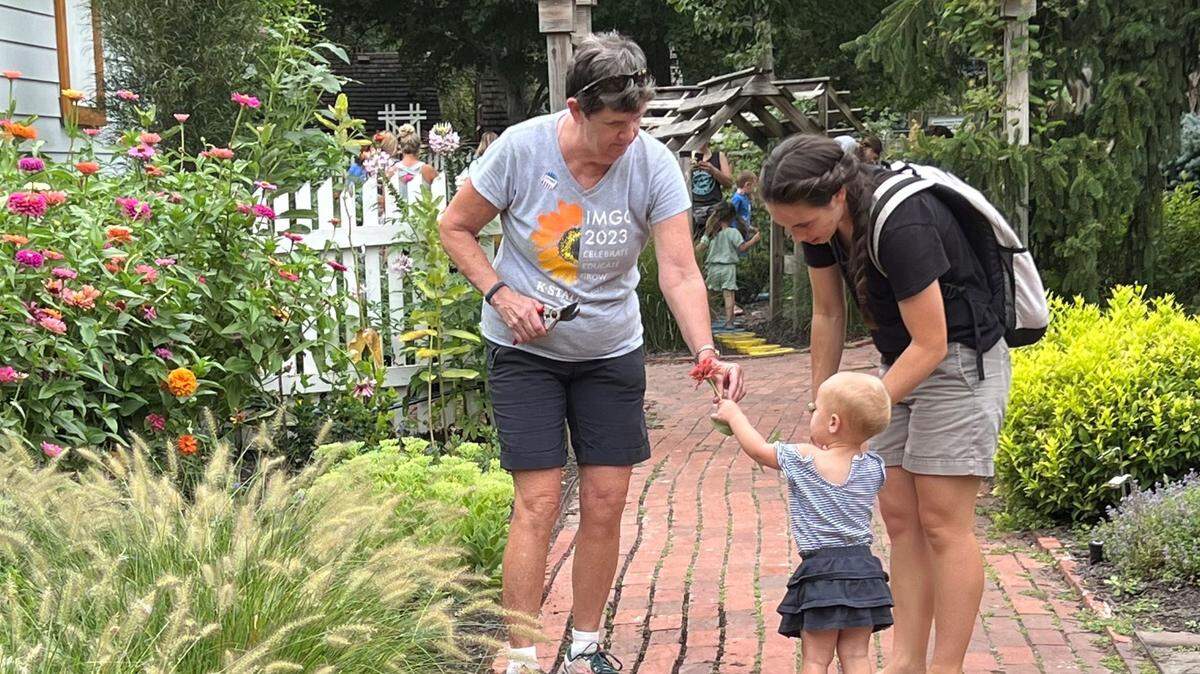
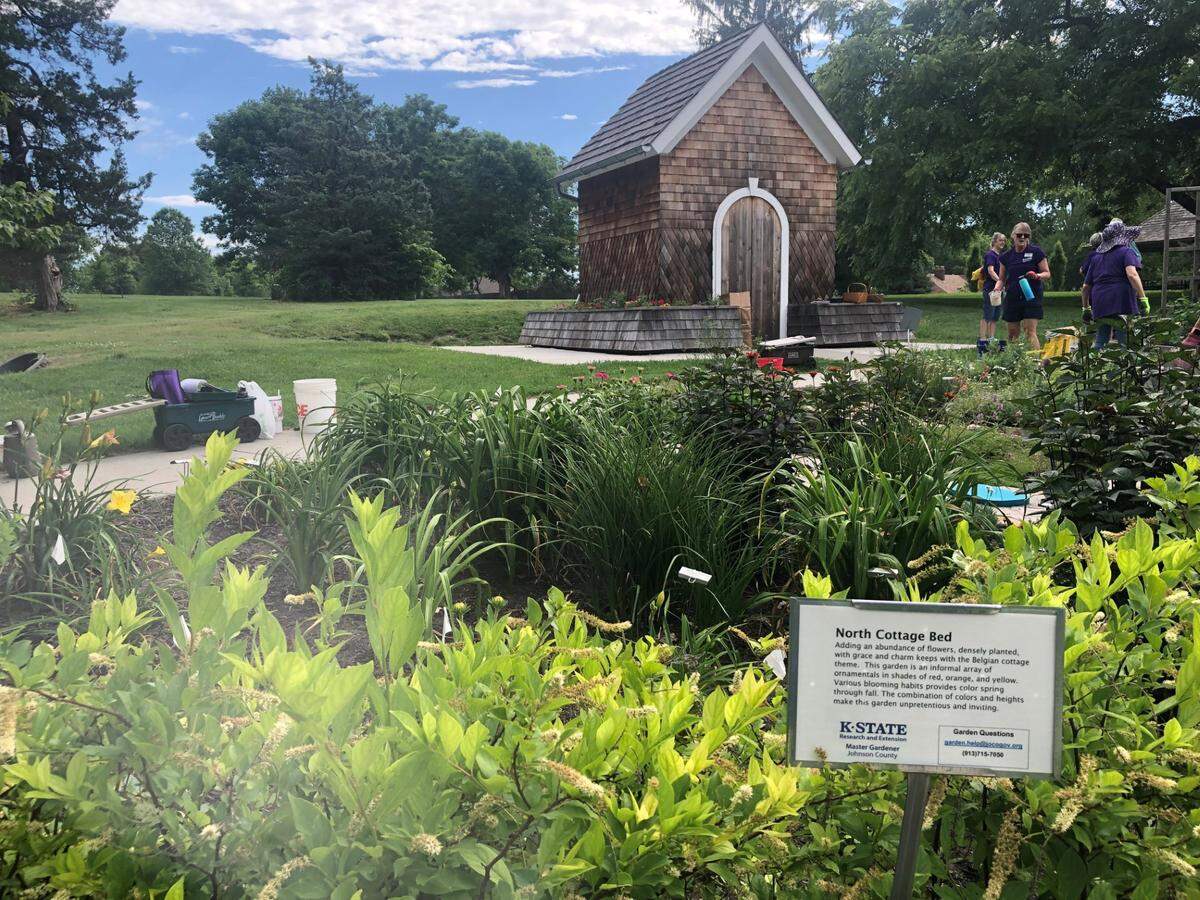
Among these programs, the Master Gardener volunteers are especially visible throughout the community. They help maintain 10 Demonstration Gardens across Johnson County, where the goal goes beyond beautification. These gardens are living classrooms that showcase research-based gardening practices promoting environmental stewardship, sustainable landscapes, and practical home gardening techniques.
Education also extends beyond the gardens themselves. The Master Gardeners support a Junior Master Gardener program, an after-school initiative that introduces elementary-aged students to gardening, nature, and environmental science in a hands-on way. The goal is simple but powerful: to spark curiosity and a lifelong connection to the natural world.
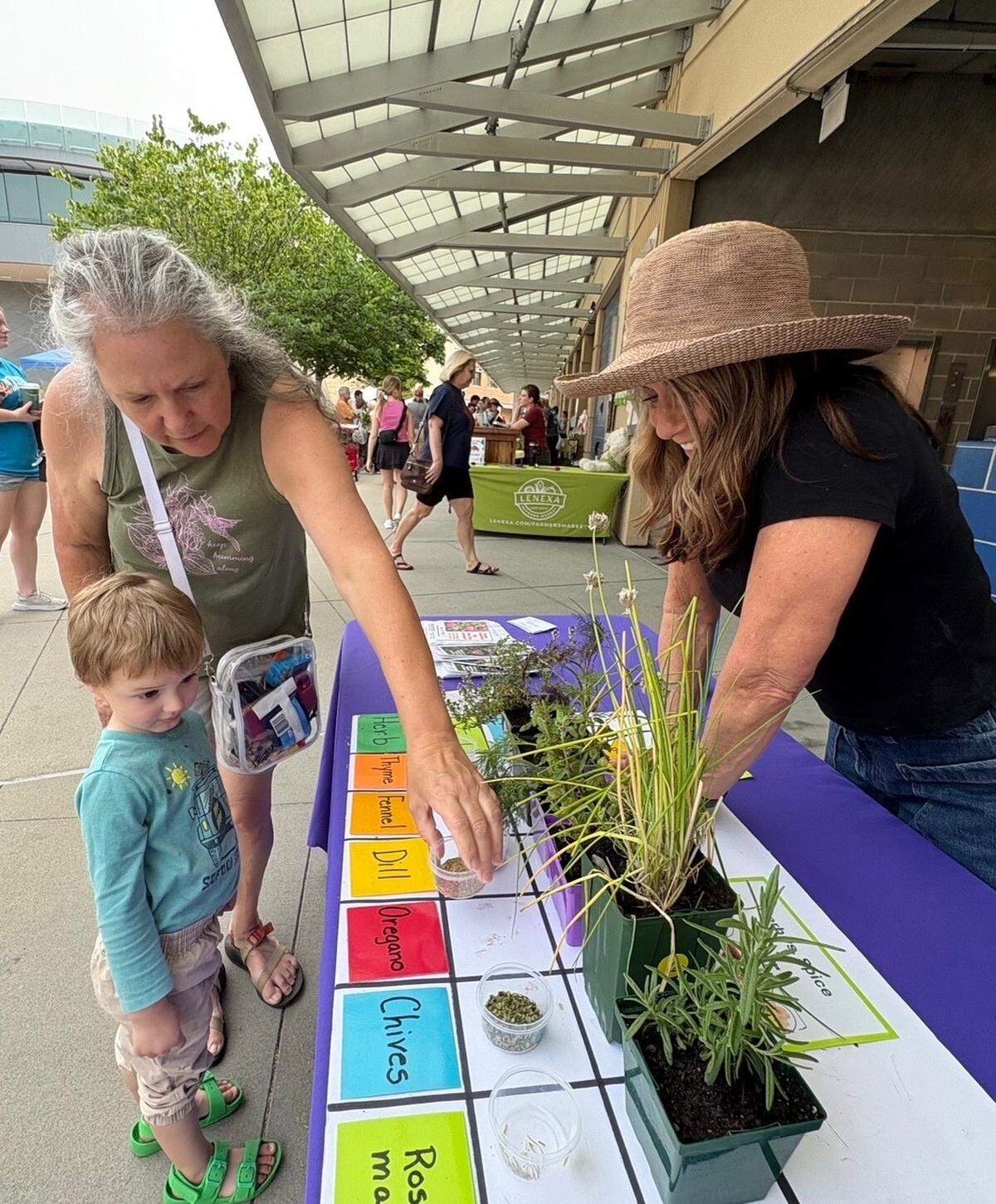
Volunteer engagement also extends well beyond garden spaces. Last year, Master Gardener volunteers staffed outreach tables at more than 15 locations and 33 community events across the Kansas City metro, sharing information and answering gardening questions face-to-face with the public.
They also support one of the program’s most widely used resources: the Master Gardener Hotline. Each year, community members submit thousands of gardening and landscaping questions. While Extension staff can answer many inquiries, the volume would be impossible to manage without trained volunteers who help respond to the public. The hotline is one of the most important ways Extension provides timely, research-based answers to local gardening challenges.
One of the largest efforts supporting these programs is the Johnson County Master Gardener Public Garden Tour. This biennial event features six private gardens created and maintained by Master Gardener volunteers. Each garden reflects years of learning, experimentation, and dedication, and offers visitors a chance to see professional-level gardening practices applied in real home landscapes.
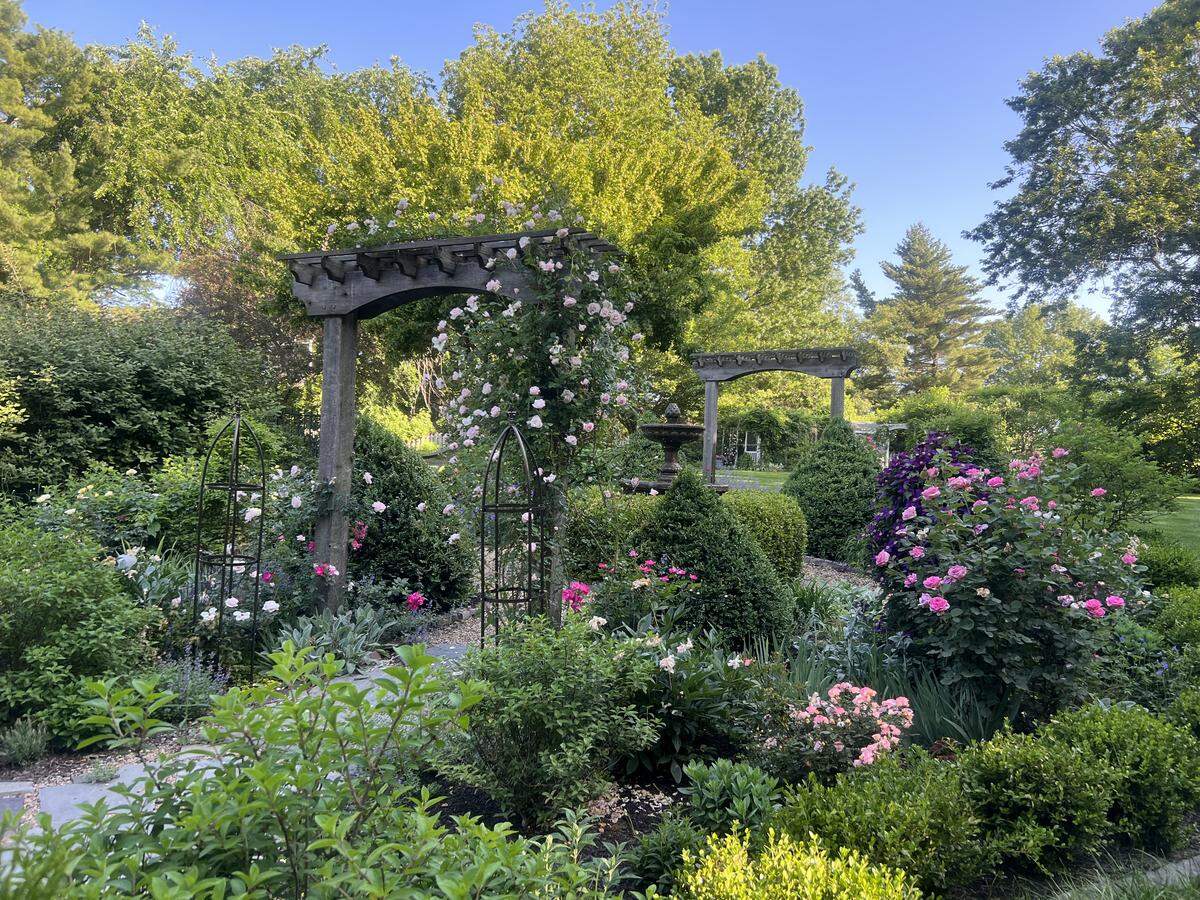
The tour also directly supports Extension programming, with proceeds helping fund Master Gardener projects across the county. The next Johnson County Public Garden Tour will be held June 12–13. Tickets are available now, and early purchase is encouraged.
For more information about becoming an Extension Master Gardener, including application details and a recorded informational session, visit johnson.k-state.edu.
Markis Hill is a Johnson County, Kansas State University Extension horticulture agent. Need help? Contact the Johnson County Extension gardening hotline at 913-715-7050 or email garden.help@jocogov.org.