
What to do about storm damage in vegetable gardens
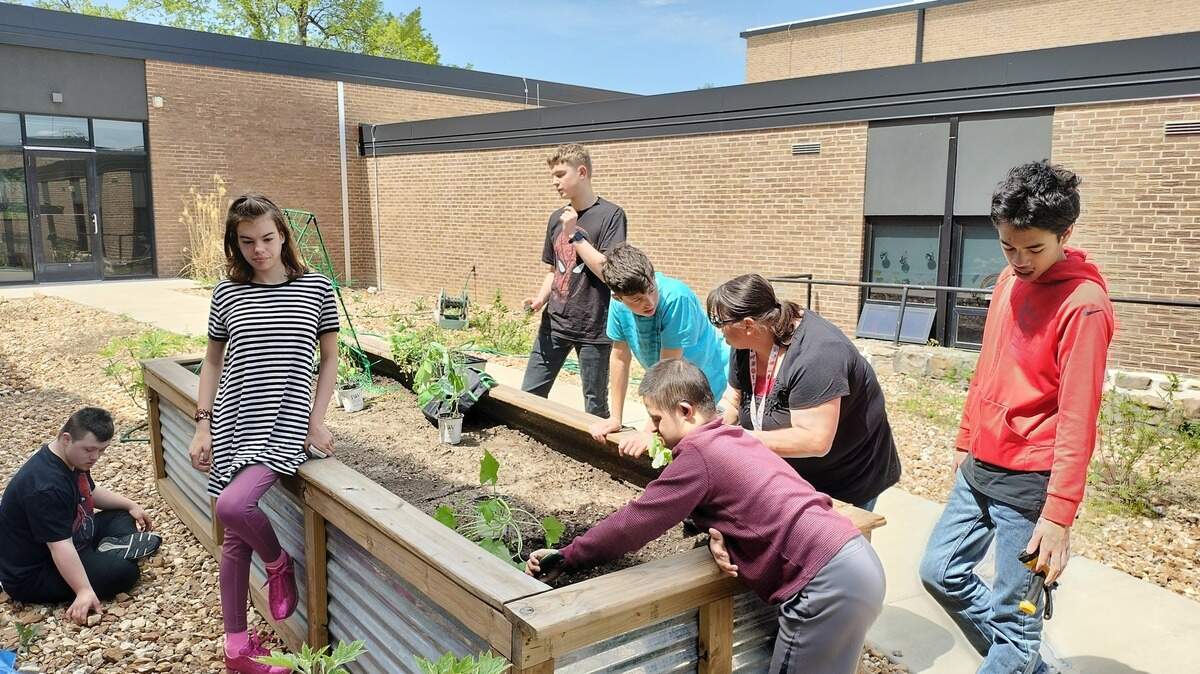
With the spring storm season coming in strong, many vegetable gardeners may currently be facing an all-too-unfortunate dilemma: what do I do now?
Between strong whipping winds, stormwater erosion, and hail damage, what began as a strong start to a spring garden can quickly turn into a ravaged nightmare. In most cases, established vegetable plants are hardy enough to recover from a storm.
However, there are some points to keep in mind while helping them do so.
Stormwater and flooding
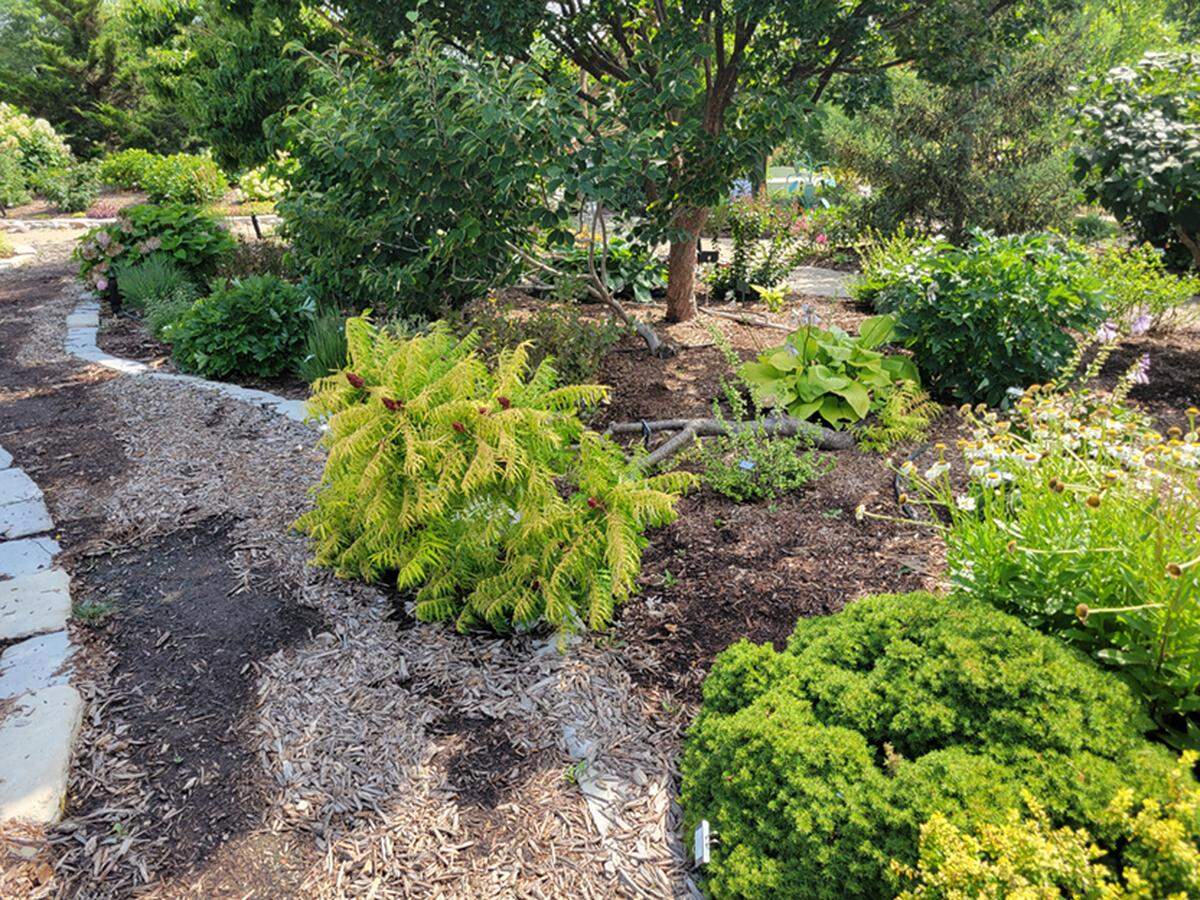
Looking at stormwater, you’ll want to note the difference between puddling and flooding. Puddling water, which, as one might expect, gathers in one spot over a brief amount of time, is different from flood water in that it is not associated with an active flow.
Floodwater, as it moves from one area to another, can quickly collect debris, including sewage, dead animals, motor oil, gasoline, pesticides, and more. For this reason, produce that has been touched by floodwater is no longer considered food-safe and should not be consumed.
Puddling water, however, is generally lower risk as it gathers in place.
Either way, you’ll want to be sure to assess whether the produce you’re putting into your efforts is still food-safe. It may be better to discard them and start over if not.
Wind damage
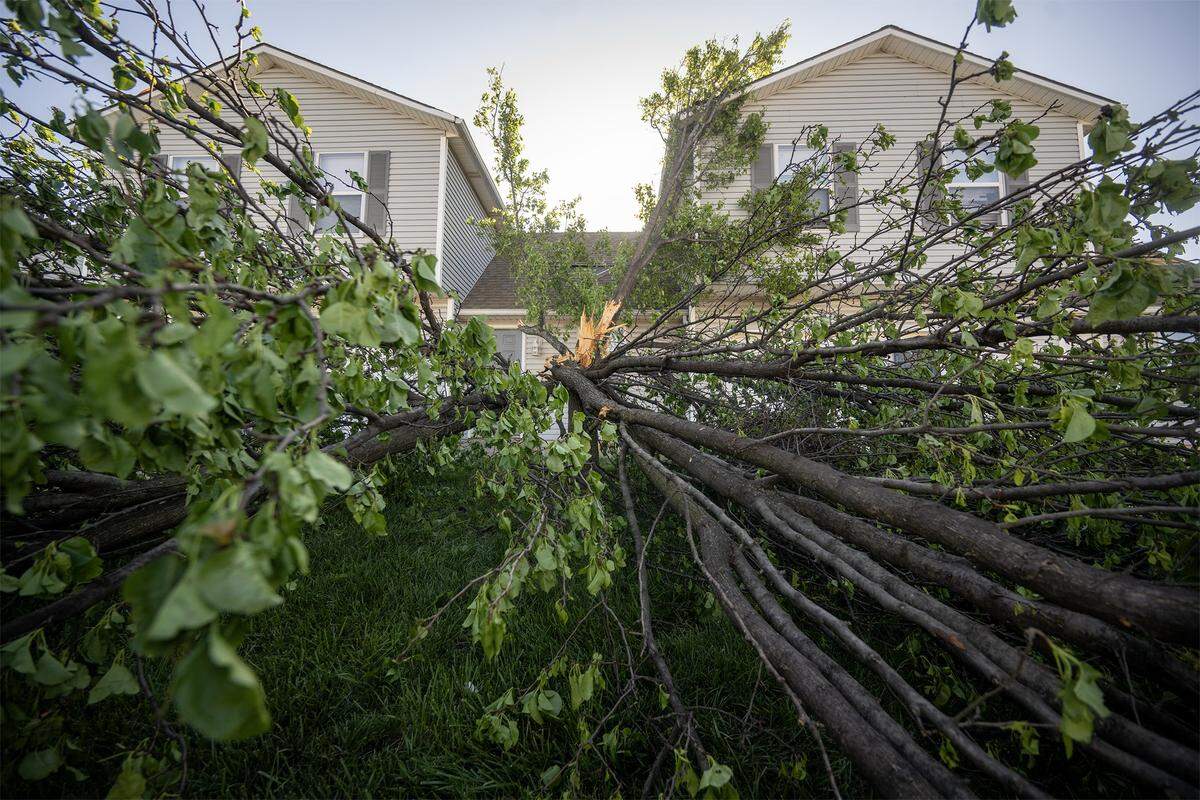
With wind-whipped plants, the assessment of “what to do” largely depends on the severity of injury.
Luckily, most spring leafy greens can withstand a broken petiole or two and recover nicely. Brassicas will also persist if their central crowns aren’t damaged.
When getting into single-stem warm-season plants (which ideally aren’t in the ground yet), it may be better to start over with a new, healthy plant rather than allocate energy and effort to recovery.
Aside from stem breakage, you’ll want to monitor overall plant turgor. If plants look deflated or heavily wilted after a wind lashing, this is a sign of water loss.
If they don’t recover within a couple of days, this is your signal to replace them, again allocating your energy toward production rather than plant survival.
Hail damage
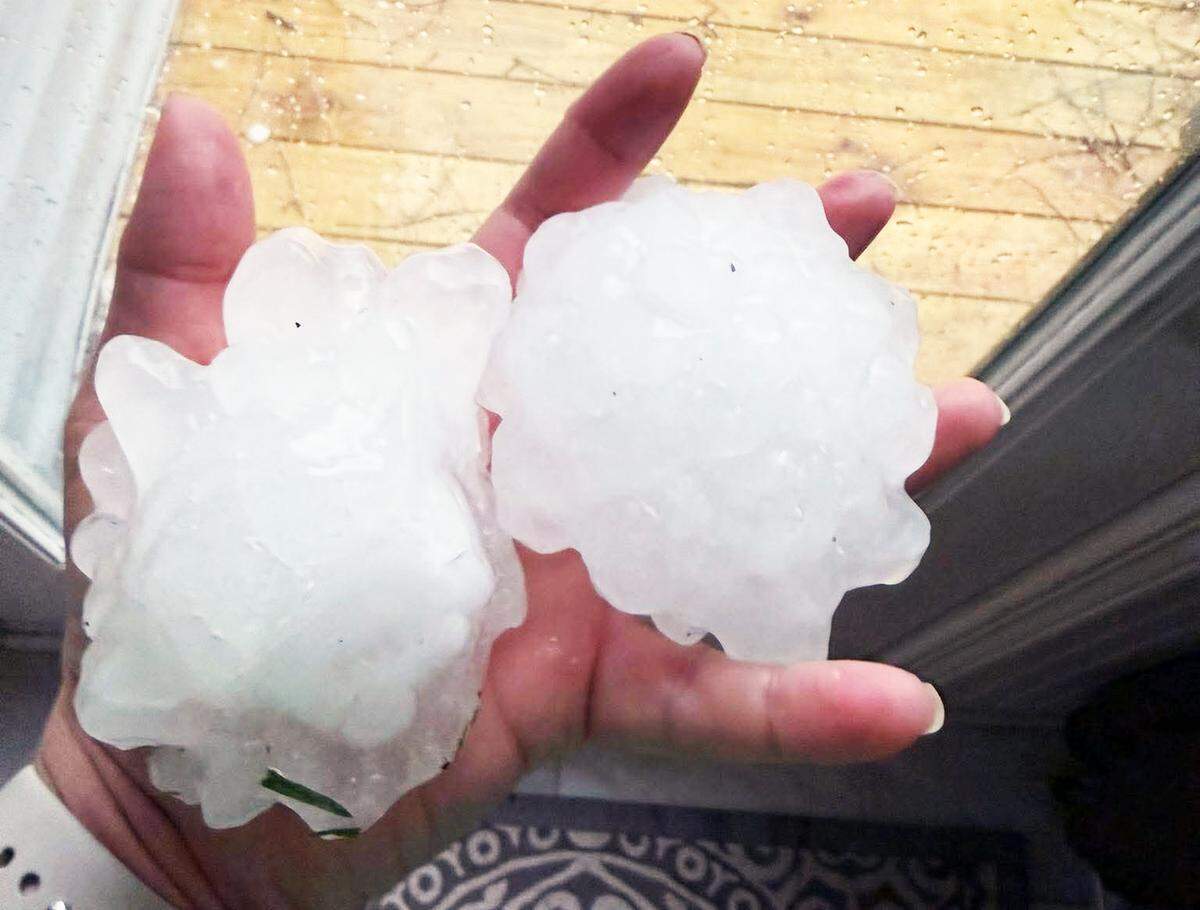
Like wind damage, how you handle hail damage depends on severity.
As long as a leaf still has turgor pressure, the water-filled firmness that keeps plants upright, it can continue to function, even with a few holes. Those leaves are still photosynthesizing and producing energy for the plant, so minor damage is often just cosmetic.
However, if the leaves are meant to be eaten, or if major veins are damaged, it’s best to prune them. Removing heavily damaged leaves allows the plant to redirect energy into producing healthy new growth.
More tips
Ultimately, when assessing storm damage in a vegetable garden, comparing the effort and time required for recovery with those for starting over is often what is needed.
As opposed to ornamental beds, the ultimate goal of these plants isn’t necessarily longevity; it’s production. So, keep in mind that not every plant needs to be saved.
And if your plants hold sentimental value, you can nurse them back to health by maintaining adequate soil moisture and drainage, side-dressing with appropriate amounts of nitrogen, and mulching to regulate temperature. The “storm will pass” in no time.
Anthony Reardon is a horticulture agent with Johnson County, K-State University Extension. Have more questions? Contact the Johnson County Extension gardening hotline at 913-715-7050 or email garden.help@jocogov.org.