
How to protect your garden crops from early-season pests
With early-season vegetables making their way into the ground, the first insect pests of the season will soon appear in the coming months.
Taking note of this now, gardeners can plan early control methods to limit the need for insecticides (organic or not) later. Many subtle indicators of cabbage worms, flea beetles, cutworms, and more will appear, signaling the time to act before major damage and crop reduction occur. So, what should gardeners aim to do?
Beginning with the simpler tasks, remember that many pests have preferred foods. As such, a quick inventory of what you currently have growing and available for pests to munch on will quickly narrow down the list of potential invaders.
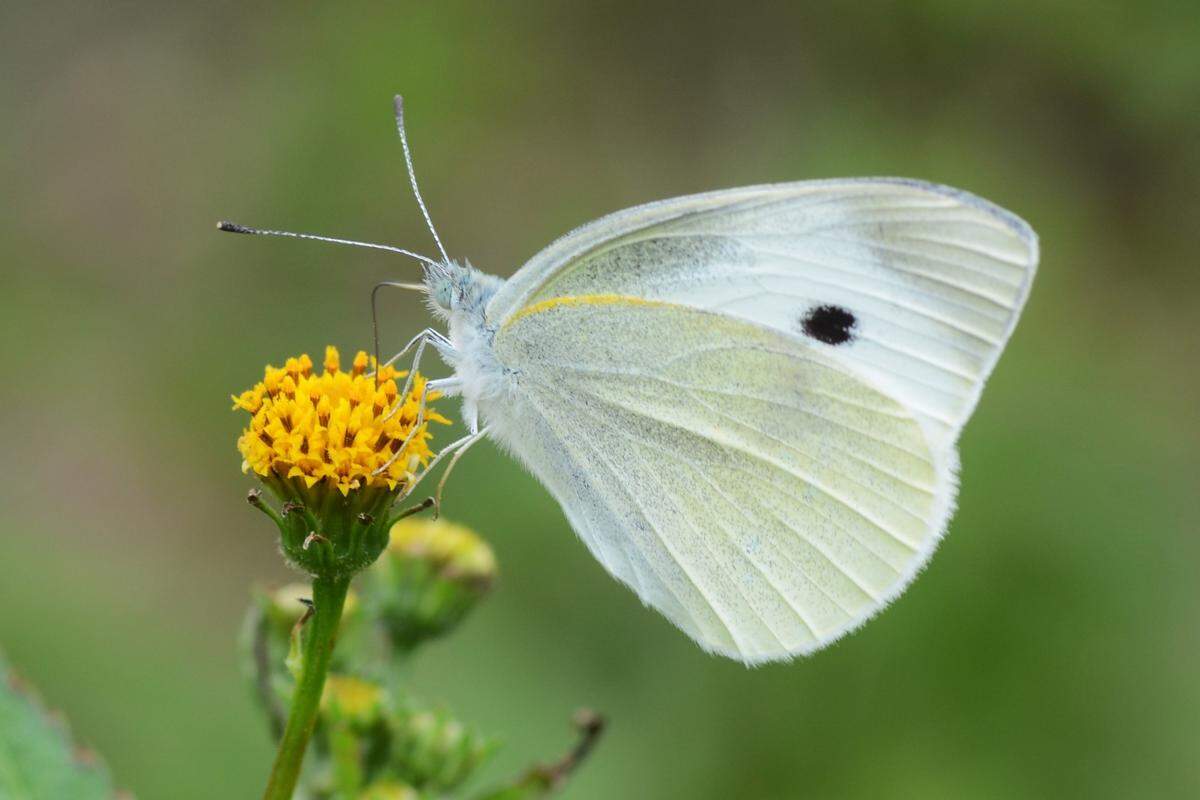
For brassicas, watch for cabbage worms, flea beetles, and harlequin bugs. For spinach and lettuce, aphids. Radishes and beets; soil wireworms. Knowing which pests to look out for, you can begin searching for the minute indications of their presence and implement mitigation efforts.
Insect droppings (known as frass), eggs, and feeding activity will be the main indicators, aside from spotting the pests. Frass will vary by species.
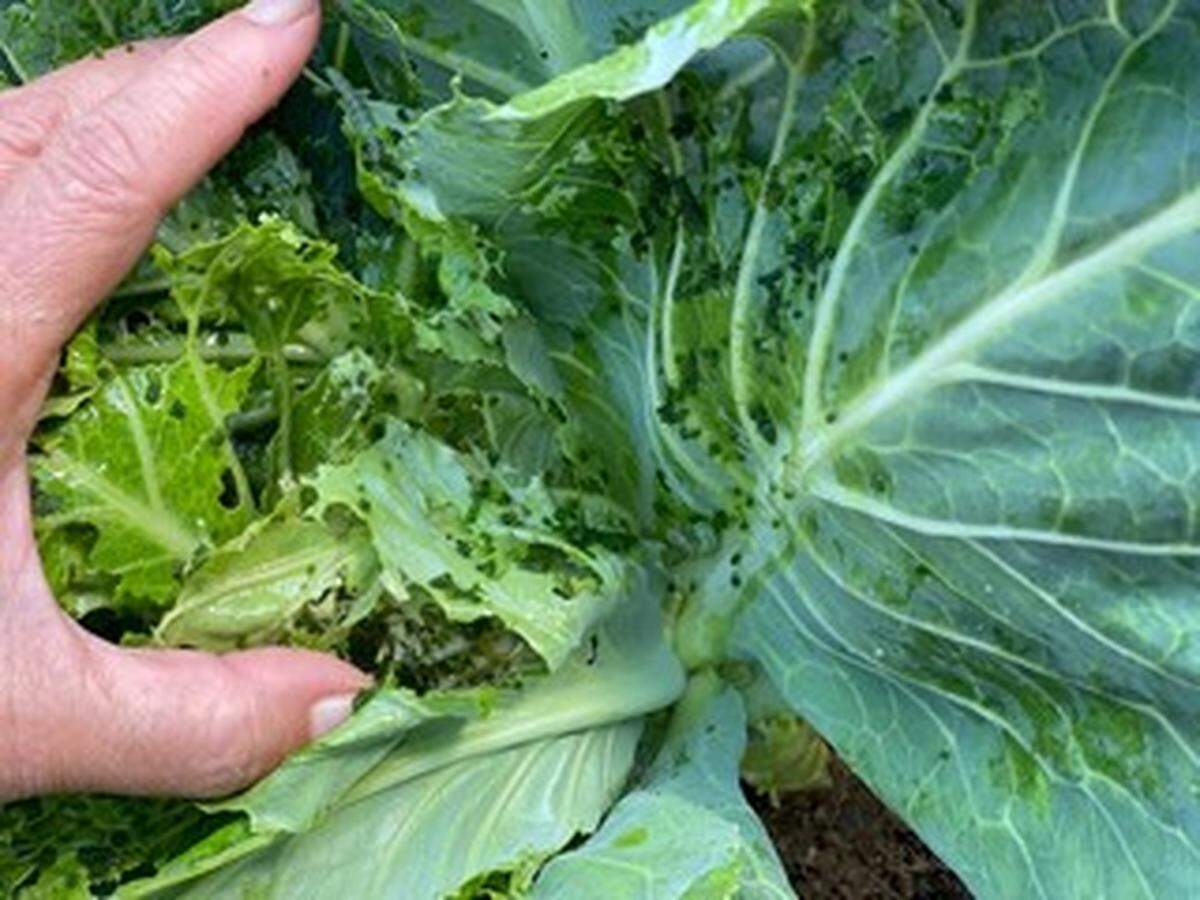
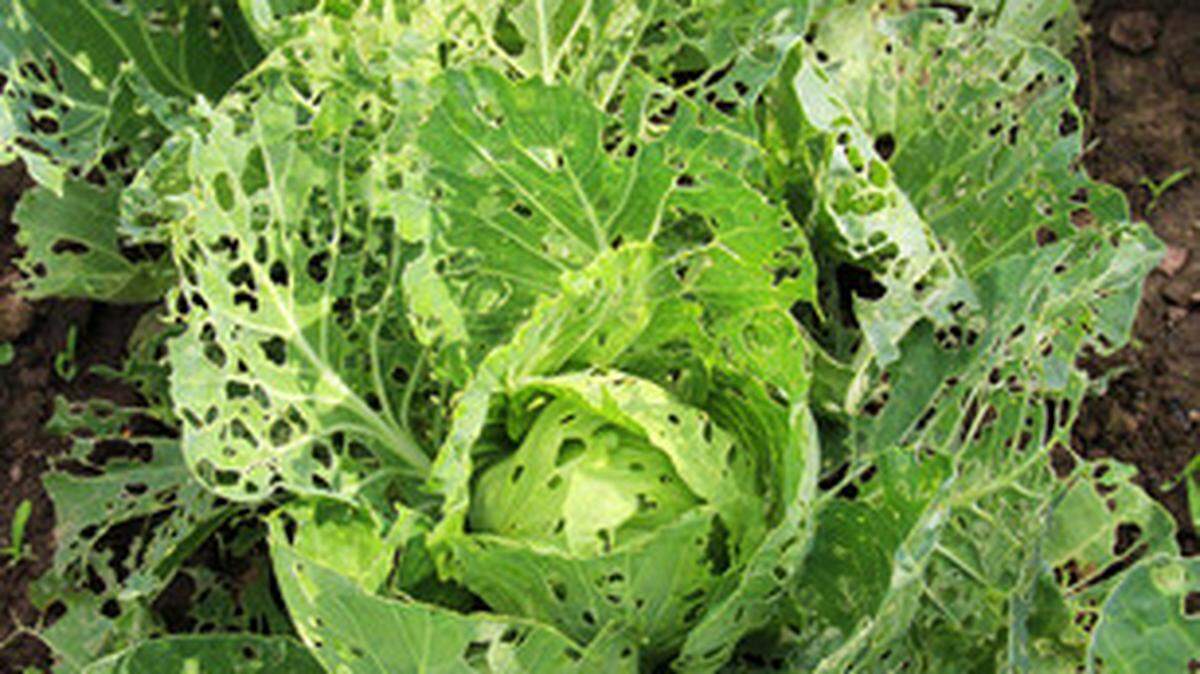
For caterpillars, gardeners will often notice large, noticeable remnants on leaves along with irregular holes scattered across the leaf surface. In contrast, aphids produce a sticky residue called honeydew that coats foliage and can later develop into a black coating known as sooty mold. This often leads to increased ant activity on affected plants, as ants feed on sugary deposits.
Looking more at feeding patterns, flea beetles will leave a mottled speckling of numerous small feeding holes across leaf surfaces. Caterpillars, as mentioned, will leave irregular, large holes. And, other, more obscure, pests will likely eat at the leaf margins from the outside in.
For those more obscure pests, like harlequin bugs, bundled eggs with distinct patterns or colors can be found on the undersides of leaves, signifying early presence within a plant stand.
Noting this, gardeners can pick egg bundles off leaves, remove the affected section of leaf if necessary, and drop them into soapy water for control. As with handpicking active, hatched pests, the key objective is to reduce population pressure. While full eradication isn’t likely from handpicking alone, a smaller pest population will harm the plants, ultimately making for more successful harvests.
With smaller pests like aphids, the cultural control option extends less into hand-picking and more into treatment. Specifically, the insects are so small and soft-bodied that a strong jet of water to the plants a handful of times a week can be an effective control, either squishing them or washing them away.
If gardeners find themselves with particularly infested plant specimens, they should also remember that removing the plant altogether is still an option if doing so will significantly reduce pest pressure.
If treatments do prove necessary, as is often the case in an integrated pest management approach, there are plenty of organic options for vegetable gardeners to consider, including neem oil, horticultural oil, insecticidal soaps (for piercing/sucking mouthparts), and Bacillus thuringiensis (for caterpillars). As always, however, take care to utilize these treatments wisely –as labeled, timed correctly, and in the early morning or late evening while pollinators or other beneficial insects are less active. Never apply them to flowers.
Ultimately, tackling pests from many angles, with multiple mitigation efforts used simultaneously, is what will prove most effective in keeping your garden pest-free this growing season. It all begins with early monitoring.
Anthony Reardon is a horticulture agent with Johnson County, K-State University Extension. Have more questions? Contact the Johnson County Extension gardening hotline at 913-715-7050 or email garden.help@jocogov.org.