
Here’s how to start your backyard vegetable garden for spring planting
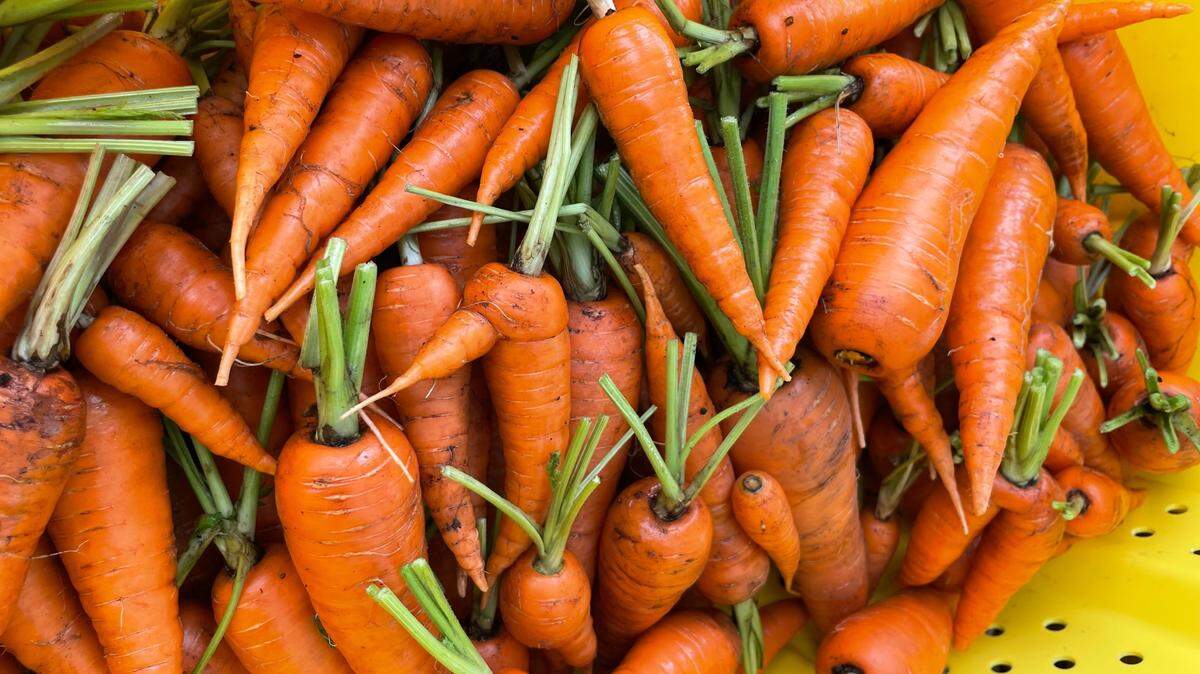
With the start of the 2026 growing season inching closer, many seasoned gardeners of ornamental perennial and flower beds may be interested in expanding their horizons, venturing into the wonderful, wayfaring, wistful world of vegetable gardening.
While the basics of gardening remain the same, proper watering, light, fertilizing, and pest control are key; some new vegetable gardeners may feel apprehensive about taking those first steps. Here’s how to get started.
From flowers to food: Planning a successful vegetable garden
.jpg "carrots (1).jpg")
Step one should entail analyzing the scale of the project, the money, time, and labor inputs required, and how the project’s maintenance will fare when factoring in other existing portions of your landscape.
Often, when considering which crops vegetable gardeners would like to grow, one tomato seed packet turns into seven, two cucumber plants turn into five, and “maybe I squeeze a couple of eggplants in the corner…” turns into a cobbled fresco of plants competing for space and resources.
And this is okay, to an extent.
Vegetable gardening is an art form, and experimentation is how we learn practices to better our craft. Nevertheless, in lieu of that art turning into a mismanaged eyesore, the feasibility of care should be at the top of your considerations.
Start small: Matching your garden goals to time, budget and space
The allotted garden site itself should undergo a thorough review. Is the soil a porous, well-draining loam, or a rocky clay that will be hard to dig in and harder to drain? Does the area receive at least six hours of direct sunlight every day, preferably in the afternoon rather than the morning? Do deer, raccoons, or even your dog already favor that area, making additional deterrents necessary once the garden is established? Chosen without these considerations, what begins as a fun hobby project can quickly turn into a money pit, so some forethought is necessary.
When choosing what you would like to grow and the seeds or plants you will purchase, it is important to remember that some plants are easier to grow than others.
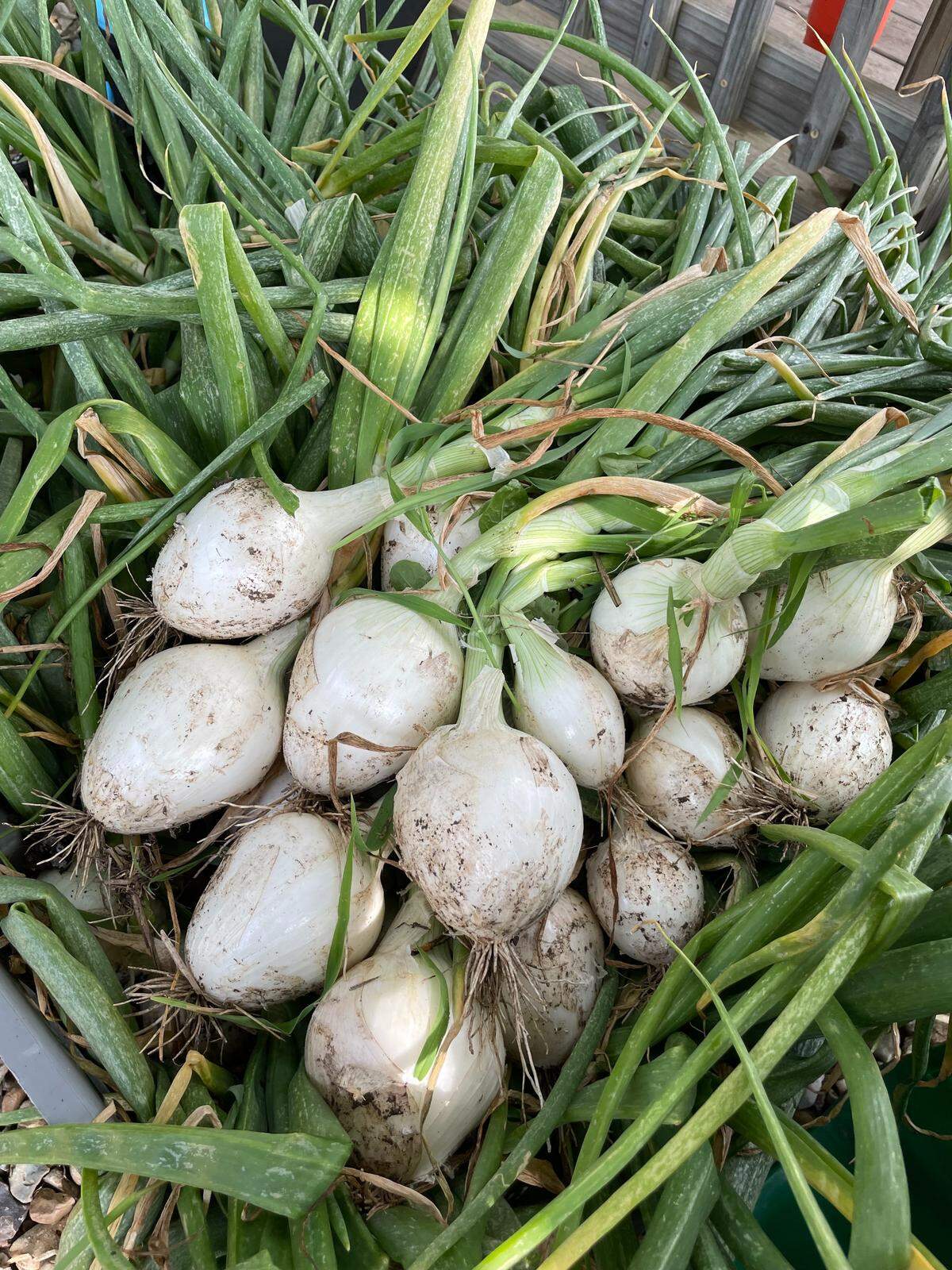
Leafy greens like head and leaf lettuce, spinach, and kale typically have very few pests aside from slugs early in the growing season and require very little input beyond abundant water and nitrogen. Tomatoes and cucumbers, when kept at a consistent soil moisture and moderate nutrient level with ample pollinators nearby, will often do most of the work for you, outside of training them to grow where you want them. Squash or melons, on the other hand, require consistent monitoring for the ever-likely arrival of squash bugs or squash vine borers, which can quickly decimate the crop if left untreated.
All to say, every crop has its own specific maintenance requirements, so choose wisely.
Understanding vegetable planting timing in Kansas
Finally, new vegetable gardeners should remember that the beginning of the growing season doesn’t signal the “go-time” for every crop. Unlike ornamentals, which generally all go into the ground around Mother’s Day, vegetable crops have a specific planting window for success.
Generally divided into cool-season and warm-season vegetables, but, upon closer inspection, planting success often comes down to specific weeks within specific months. Successful vegetable gardening in Kansas hinges on timing and informed decision-making.
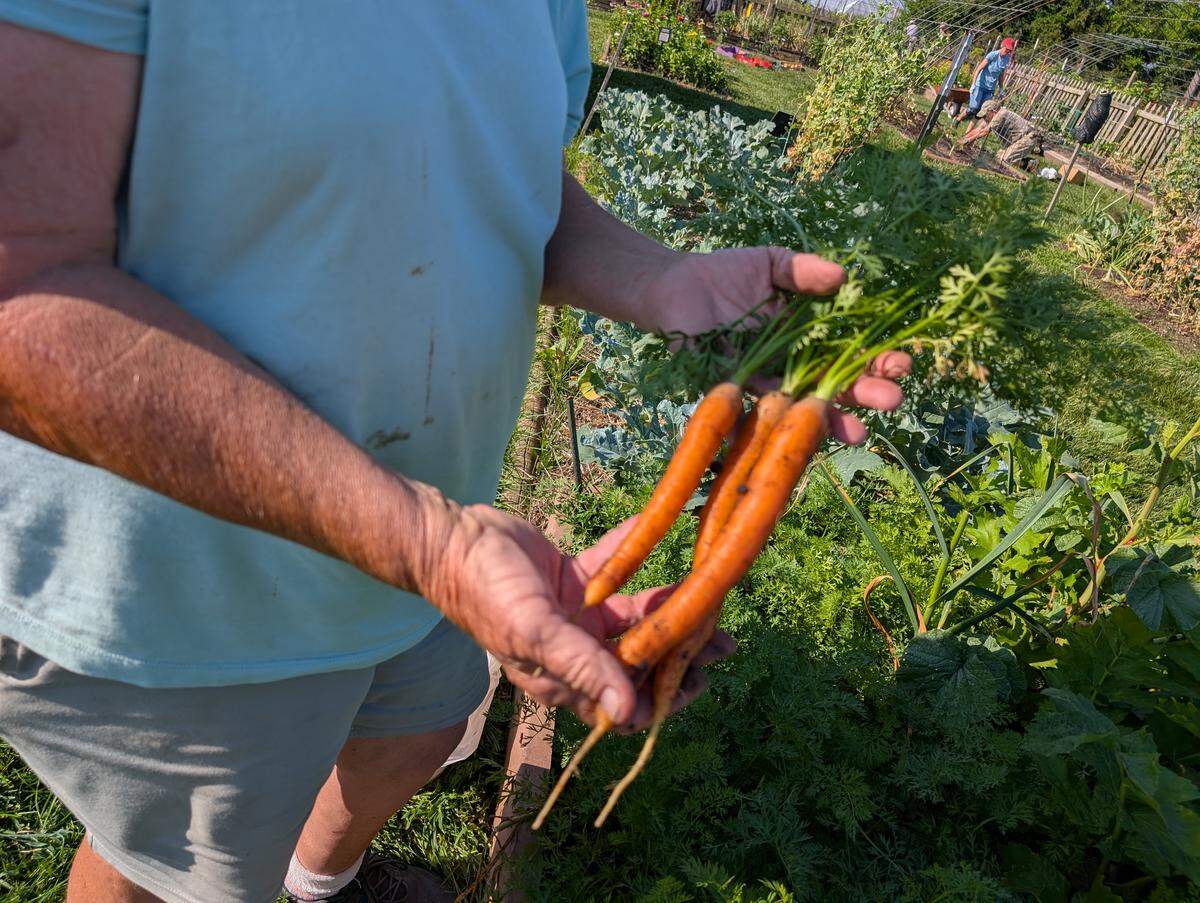
Garden calendars developed specifically for Kansas can help guide planting decisions, while soil testing through local Extension offices provides a clearer picture of nutrient needs before seeds ever go in the ground. Choosing vegetable varieties that are proven performers in Kansas conditions further improves the odds of success.
For gardeners looking to deepen their knowledge, the Kansas Garden Guide serves as a trusted, all-in-one reference, offering practical, research-based advice on planning, soil health, pest management, and harvest. With the 2026 growing season approaching, a little preparation now can turn curiosity into confidence—and a backyard garden into a productive source of fresh food.
Anthony Reardon is a horticulture agent with Kansas State University Extension, Johnson County. Have more questions? Contact the Johnson County Extension gardening hotline at 913-715-7050 or email garden.help@jocogov.org.
This story was originally published February 25, 2026 at 11:10 AM.