
What’s all the buzz? What gardeners should know about wasps in the late summer
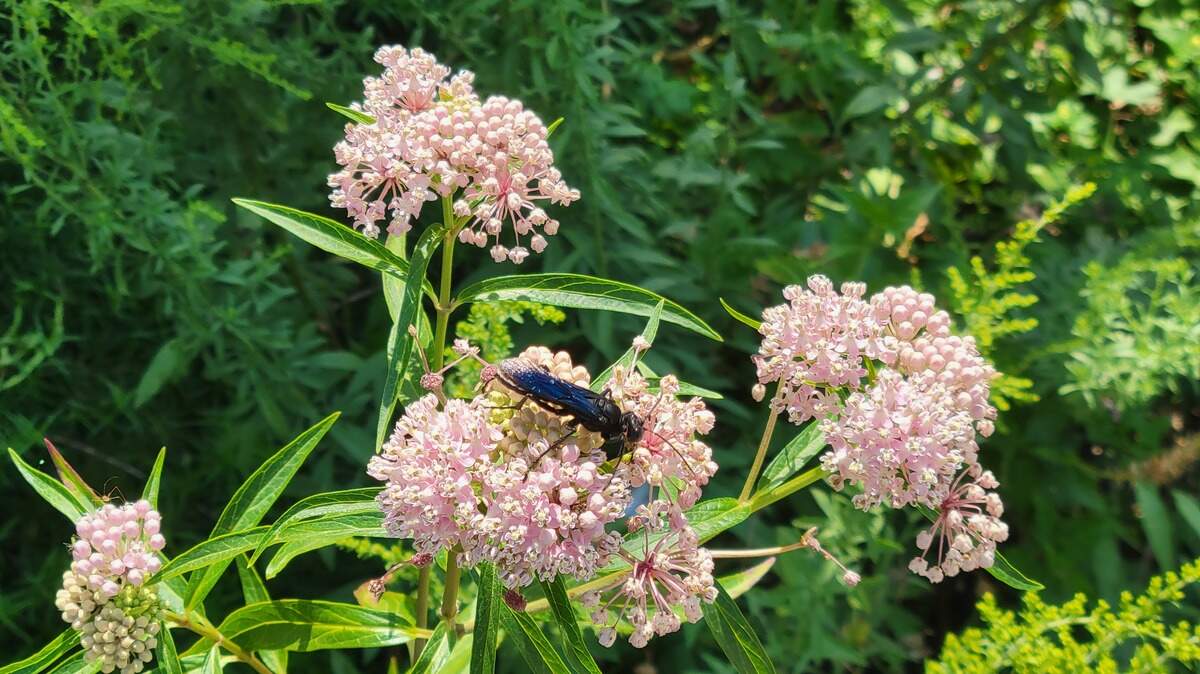
With the season’s heat upon us, you may have noticed many buzzing insects flying around your flowers. Some are big and intimidating, while others are tiny. No matter the size, they buzz around, sometimes even close to your face.
Even though the instinct when a wasp or bee is buzzing around your head is to swat away or retreat to a place they won’t follow, most bees and wasps do not sting humans. As scary as they might seem, it is essential to know that they won’t bother you if you don’t bother them. These bees, wasps, flies, and hornets fill a specific environmental niche that benefits the whole ecosystem.
Are bees and wasps dangerous to humans?
Just because they are essential doesn’t mean they can’t ever pose a threat to humans. Honeybees, bumble bees, paper wasps, yellow jackets, and hornets have all been known to sting humans when they feel threatened. The reaction can be fatal if you have an allergy to these stings.
However, this is not true of all bee and wasp insects in our yard. Most species of bees and wasps in the Midwest are solitary, non-aggressive insects. Now it is not recommended that you step on them, hold them in your hand, or kick their nest in an apparent provocation; they will not be so happy about it.
The benefits of wasps in your garden
Wasps are great for our gardens. Many species of wasps are not only predators but pollinators as well. Pollination from wasps is not as effective as pollination from bees due to the lack of hairs on their body; however, there are figs outside of cultivation that small wasps exclusively pollinate. The bigger wasps look menacing when you see them flying around from flower to flower; however, wasps that sip nectar from flowers often successfully pollinate some of our most popular landscape plants.
Examples of beneficial wasps
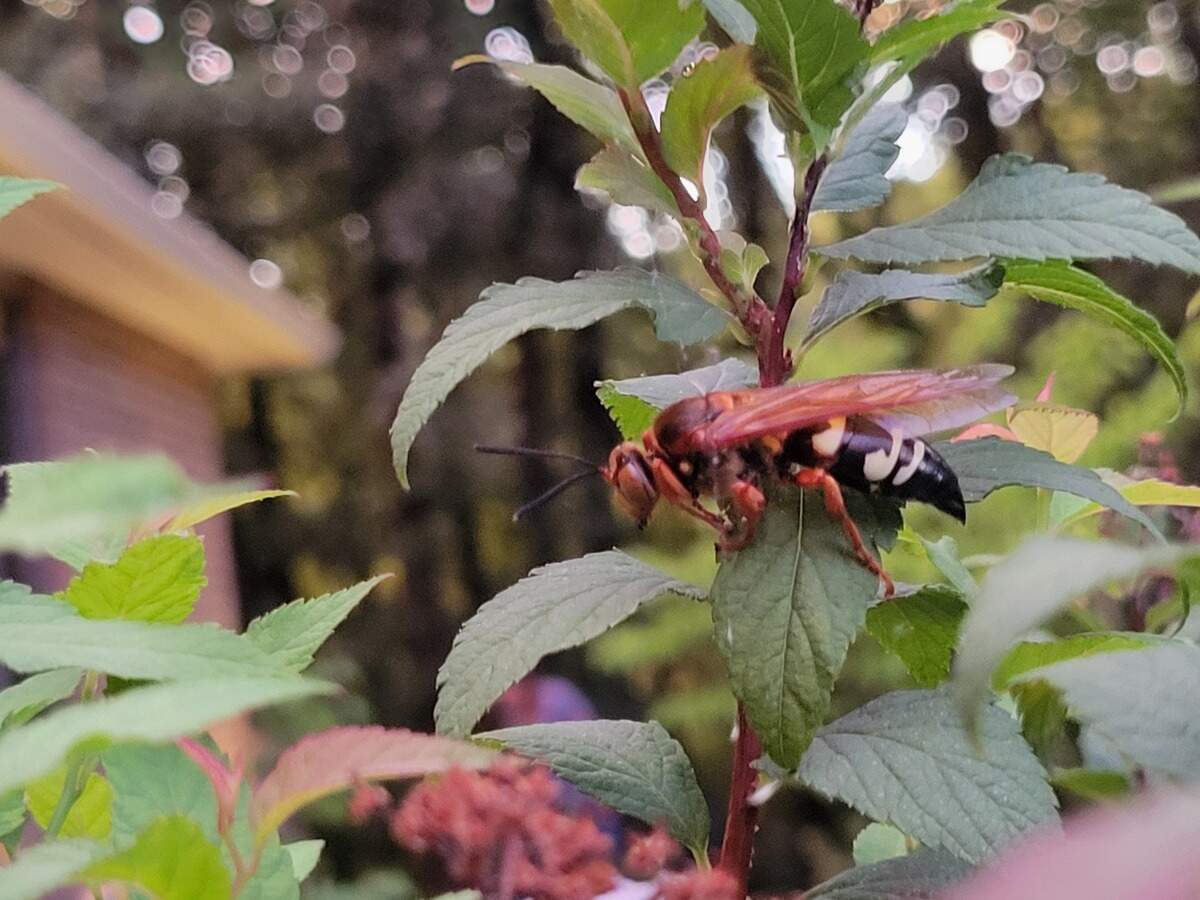
The most noticeable difference between wasps and bees is that wasps are usually longer and thinner than bees, and their distinctive abdomen looks like a hypodermic needle. But instead of using it on large mammals like humans and dogs, these stingers are specialized for hunting other bugs that we consider pests. Cicada killers are an example of this; they sting a cicada that has fallen to the ground to paralyze the insect, then they carry it to their burrow to lay eggs inside it. The larvae that hatch from those eggs will eat their way out to become wasps, and the cycle continues.
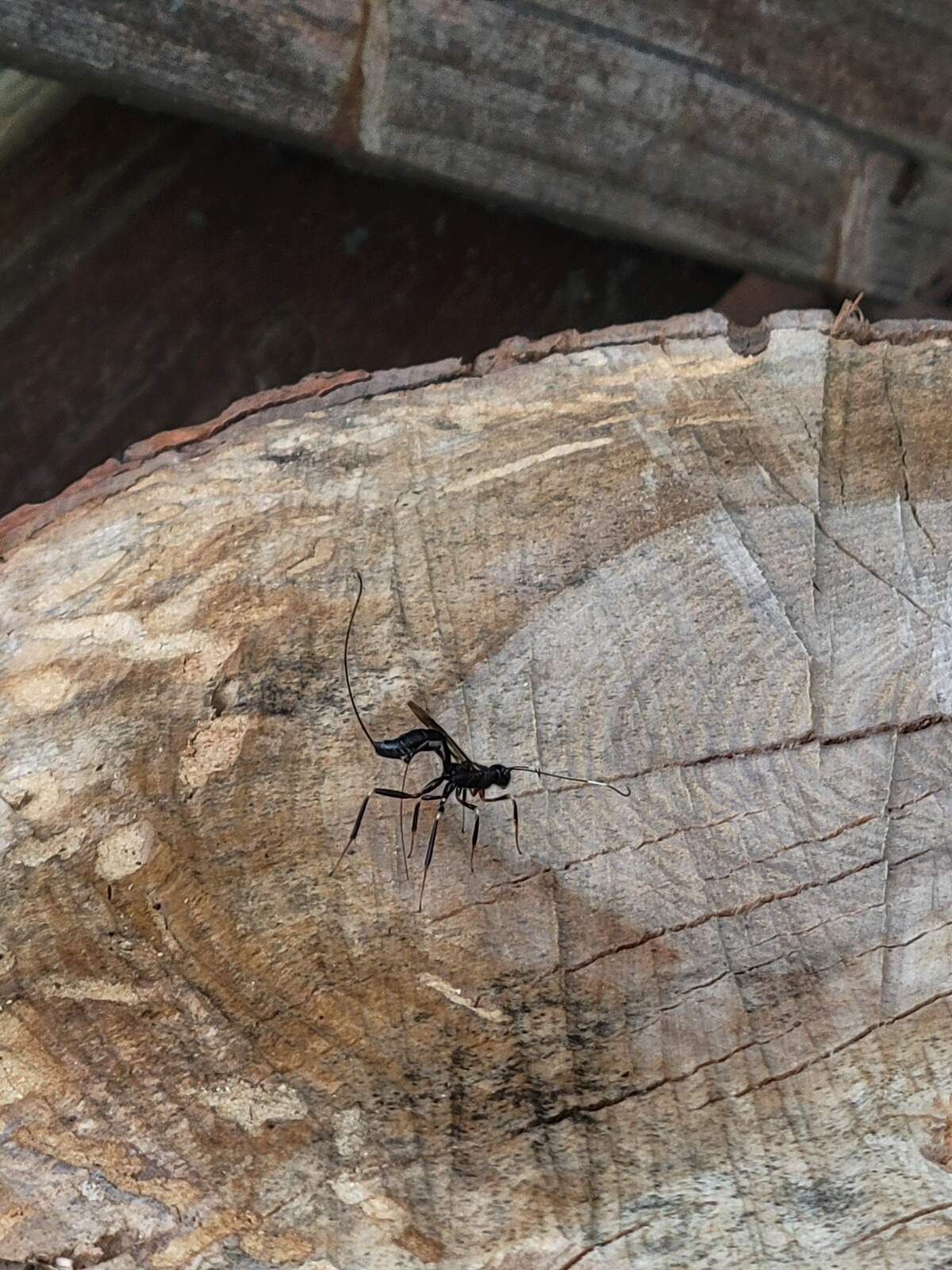
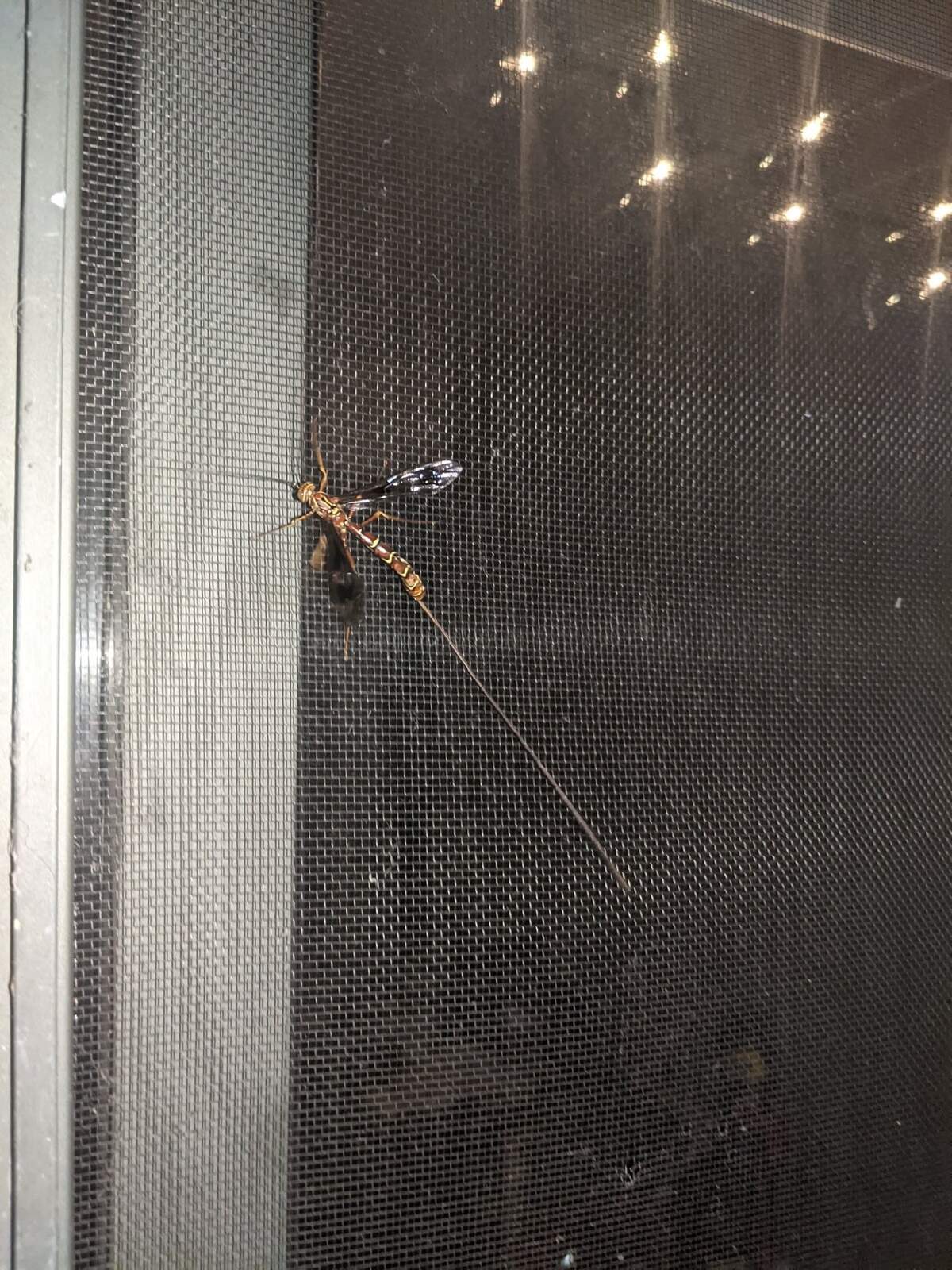
Another excellent example of scary-looking wasps that benefit the ecosystem is the ichneumon wasps. There are more than 5,000 different species in North America that belong to this family of wasps. They are distinct because their ovipositor, or tubular egg-laying organ, is often longer than their entire body. Species of ichneumon wasps use their ovipositor to drill through wood to lay eggs inside wood-boring insect larvae. Using their specialized antenna, they rarely miss when they complete their energy-intensive egg-laying process.
Support your native pollinators and learn more
These solitary wasps are essential to the ecosystem in providing a natural biological control for spiders, cicadas, caterpillars, aphids, grasshoppers, and beetles whose populations can explode during certain years. One way you can help wasps be less aggressive is to plant fall-blooming native perennial flowers like Goldenrods, Asters, Black-Eyed Susans, Swamp Milkweed, and Maximilian sunflowers. These are just a few examples of flowers that will provide a food source late in the season to hungry wasps and bees, not to forget your butterflies, too.
Want to learn more about native pollinators—like wasps, bees, flies, and butterflies? Join us and other educators at the Hasta Luego Monarchs event on September 27 at Pollinator Prairie in Olathe. This is a family-friendly FREE event! Details are available on our website.
Markis Hill is a horticulture agent with Johnson County Kansas State University Extension. Need help? Contact the Johnson County Extension gardening hotline at 913-715-7050 or email garden.help@jocogov.org.