
They provide shade, create wind blocks and offer a home to many, so go plant a tree
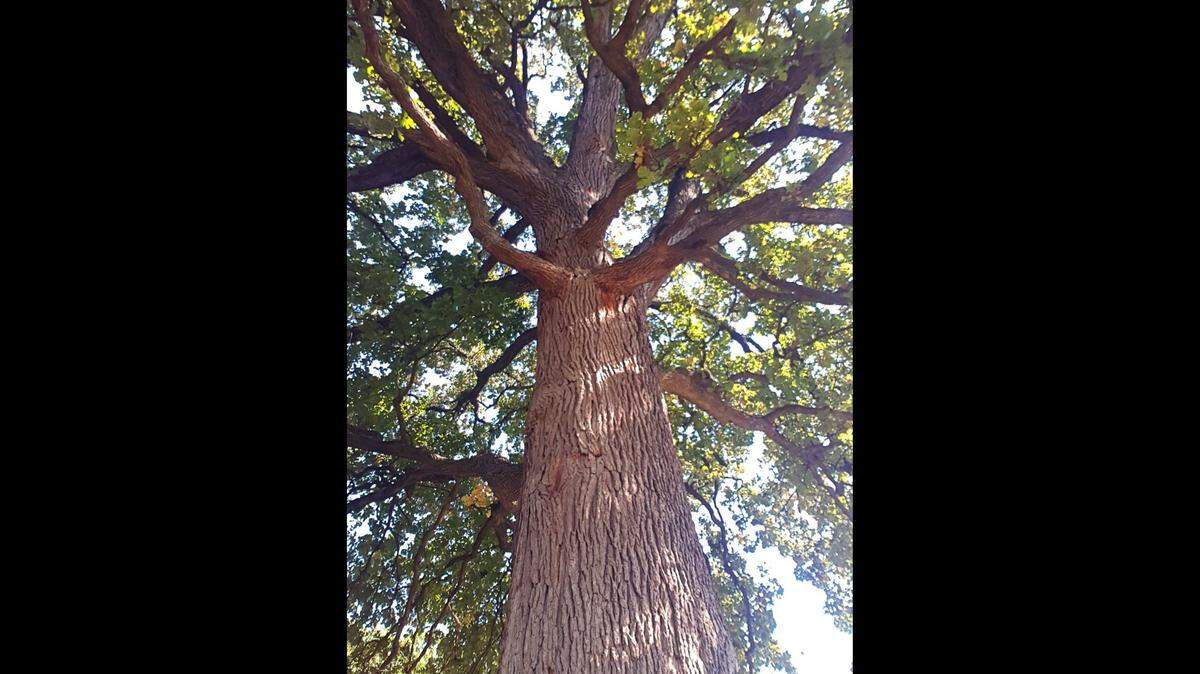
I recently took a trip to Oakley, Kansas. One thing you will notice right away, if you head there, is the absence of trees. The few trees you’ll spot are few and far between. “Trees are good” is not just a gimmicky bumper sticker slogan that hippies throw on the back of their vehicles. It is the objective truth. Even though there weren’t many, people were using trees to protect and sustain their way of life.
Trees can act as a wind block. West of Salina, Kansas, you can see how essential trees are to people and animals. Near every home, you see a collection of evergreens, cottonwoods and Siberian elms planted as a barrier to the constant winds. Birds and other animals use this shelter from wind and storms. A straight line of mature eastern red cedars planted perpendicular to the wind direction can reduce wind speeds by 40%. That makes all the difference to your mental well-being when the wind is a constant 30 mph.
Just the simple sight of trees puts minds at ease. Trees can reduce stress, lower blood pressure, provide privacy and reduce crime. A study conducted by the U.S. Forestry Service and published in the Landscape and Urban Planning journal found that neighborhoods with 10% more tree canopy cover experienced 11.8% less crime than their comparable counterparts.
Trees are also good for the economy. By providing shade on summer days, less energy is used to cool homes and buildings. The air gets naturally cooled through active transpiration happening in all the leaves. With strategic placement, planting trees can reduce the heat island effect in our urban areas, reducing air temperatures by as much as 30 degrees.
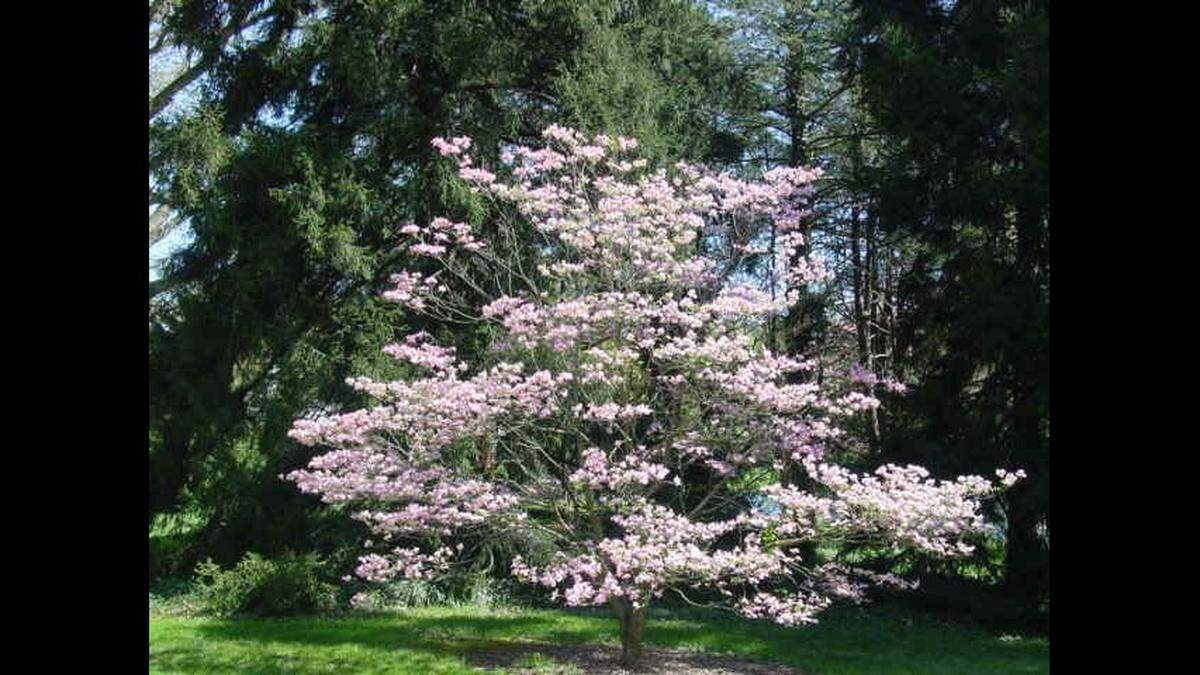
Trees also increase the property values where they are located and in adjacent properties. Large, mature trees can be worth tens of thousands of dollars because of their appeal to the human eye, the benefits of the shade, and the habitat they support.
Trees give us wood for housing, business and transportation structures. Because we can plant more trees, wood is considered a renewable resource. Humankind has abused this resource in the past, but through advocacy, awareness campaigns and legislation, deforestation laws regarding consumer products are on the books here in the United States.
Still not a fan of trees? Well do you at least like butterflies and moths? Oak trees alone can support more than 540 species of lepidoptera. Some of the most recognized butterflies use trees in one way or another to complete their life cycle. Monarch butterfly larvae eat milkweed leaves. When they migrate to Mexico, they spend their time clustered in tree canopies, awaiting their cue to begin the journey back.
Luna moths use the leaves of persimmon trees to make their cocoons. Western tiger swallowtail butterfly caterpillars eat the leaves of cottonwood trees. The point is that these trees support our pretty, beneficial insects.
This Arbor Day weekend, go out and plant a tree. It doesn’t have to be a full-size tree; start with a seed or a tiny sapling. It doesn’t even have to go in the ground immediately. Try starting one in a pot. By now, you understand how essential trees are to people, insects and the environment. How can you afford not to?
Markis Hill is a horticulture agent with Kansas State University Research and Extension. Need help? Contact the Johnson County Extension gardening hotline at 913-715-7050 or email garden.help@jocogov.org.
This story was originally published April 25, 2025 at 6:00 AM.