
Before fertilizing garden, take these steps to avoid runoff, protect our water supply
After conducting a soil test, home gardeners are often raring to go to optimize the growing conditions for their plants. After all, soil amending is a vital part of gardening, helping to enhance nutrient content and improve soil structure. However, these gardeners should note that when amendments are done improperly, they can also contribute to water pollution, negatively affecting local water supplies and their surrounding ecosystems.
Understanding these risks associated with improper soil amending, gardeners and farmers can play a crucial role in protecting water quality as they aim for best practices.
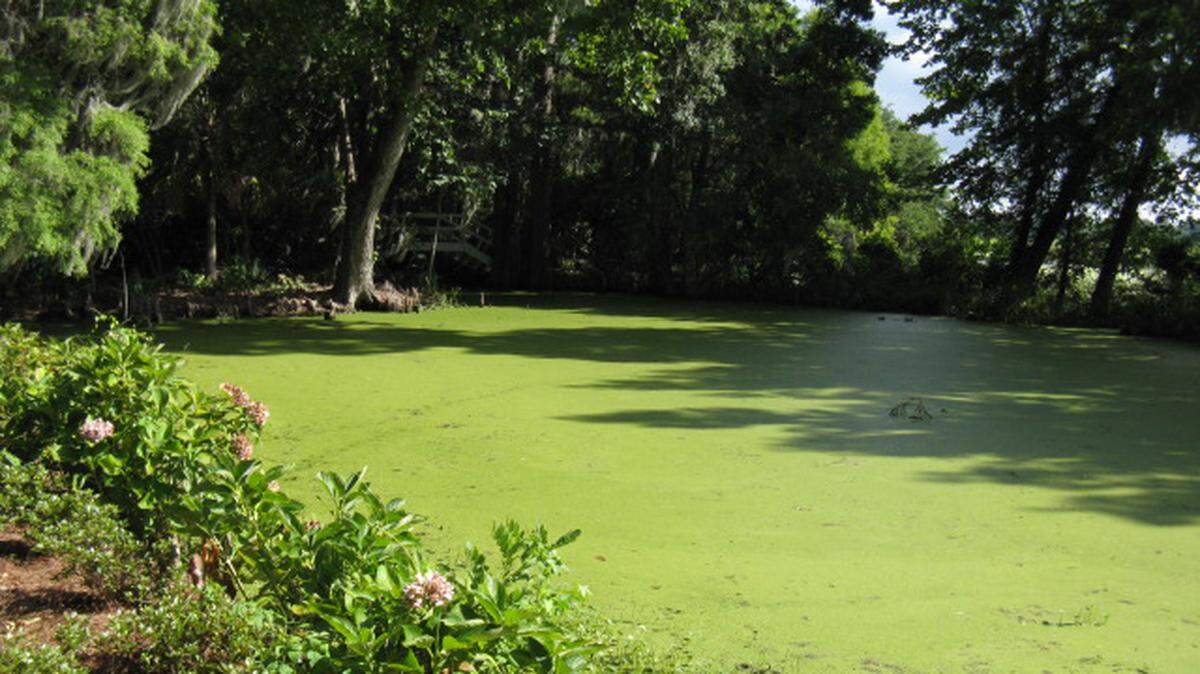
One of the most significant concerns related to soil amending is nutrient runoff caused by excessive fertilizer use. Fertilizers are particularly high in nitrogen and phosphorus. When these nutrients are overapplied, they can easily enter nearby water bodies through natural rainfall and water cycles. As these nutrients accumulate in streams, rivers and lakes, they fuel algae blooms, deplete water oxygen levels, harm aquatic life and disrupt ecosystem balances. In some cases, these nutrients even contribute to the contamination of drinking water.
Applying the correct amount of soil amendments based on soil testing is crucial to minimizing the risk of nutrient runoff. Before applying any fertilizers or organic matter, gardeners should conduct a soil test to determine their plants’ existing nutrient levels and specific needs. By doing so, they can avoid overapplication and the risk of runoff pollution.
Then, either slow-release fertilizers or organics gradually provide nutrients to soils, significantly preventing incidences of leaching, where nutrients are drained through the soil profile. Compost and well-aged manure are excellent choices in this realm, as they improve soil structure and enhance nutrient retention when applied in appropriate quantities.
Another important practice is amendment timing. Gardeners should avoid applying surface soil amendments immediately before heavy rainfall. Fertilizers applied just before a downpour are highly susceptible to runoff, and the nutrients will likely be carried away before benefiting plants.
Checking the amount of water being applied through irrigation and ensuring it isn’t running into streets or elsewhere will be beneficial for the same reasons. Amendments incorporated into the soil will be less prone to this.
Remember that healthy soils with high organic matter also improve water retention, reducing runoff risk. One effective way to build soil health and organic matter is with cover crops. These crops, planted during the off-season, help prevent soil erosion, fix nitrogen and improve soil structure. They can also help retain nutrients, preventing them from washing away.
Erosion control is another critical aspect of protecting water, as erosion leads to the loss of topsoil and contributes to leaching. By implementing erosion control practices like contour gardening, terracing and planting vegetative buffer zones along water routes, gardeners can prevent soil loss and protect water quality. No-till practices would also be beneficial, as they minimize soil disturbance, making it more likely to stay in place while enhancing structure and microbiology.
Through these sustainable practices, we can balance productive landscapes with environmental stewardship, ensuring that our soils and water remain healthy.
Anthony Reardon is a horticulture agent with Kansas State University Research and Extension. Need help? Contact the Johnson County Extension gardening hotline at 913-715-7050 or email garden.help@jocogov.org.
This story was originally published January 10, 2025 at 6:00 AM.