
Did you see your lilac blooming in fall? Here’s why that’s not your imagination
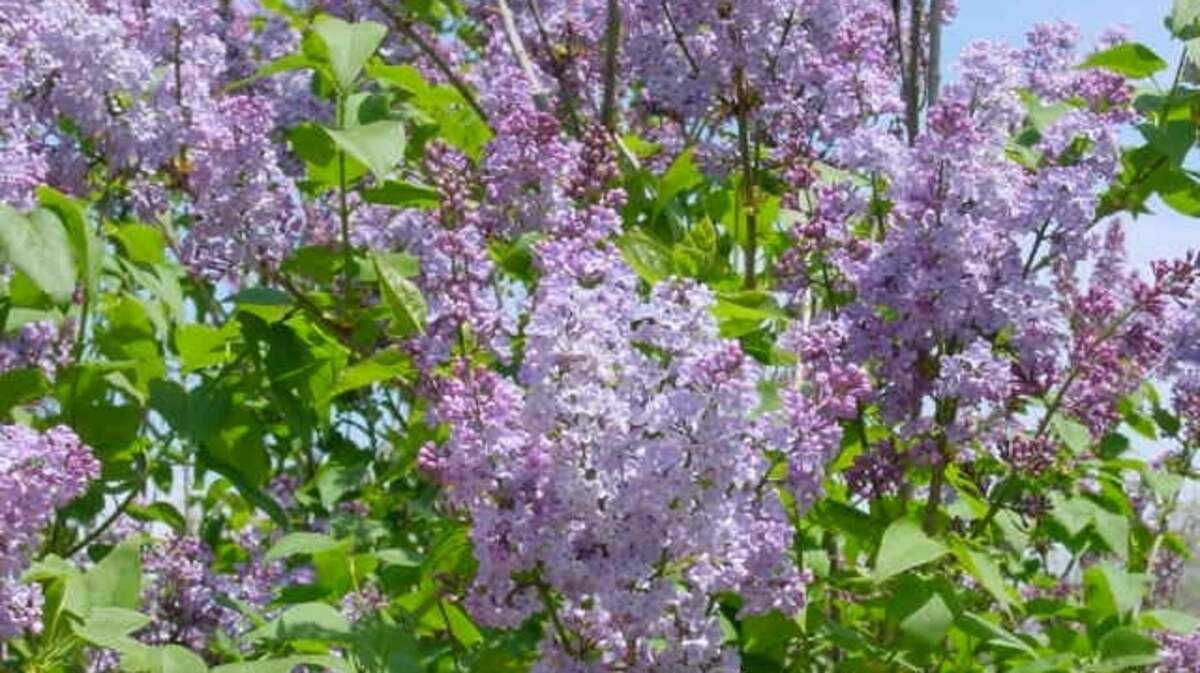
Did anyone else become puzzled to find their lilac blooming in November? During the last few weeks at our hotline here at Johnson County Research and Extension, calls were coming in from people asking, “Why are my spring flowers blooming?” It’s important to remember that this is not an uncommon occurrence and is often a result of environmental stress.
When woody plants flower outside of their bloom time, they have been impacted by environmental stress. Consider the extreme temperatures and dry spell at the beginning of fall. The temperature was almost 80 degrees every day, and soil was dry. These conditions are rough for plants that aren’t adapted to handle long periods of extreme weather patterns. In times of stress, lilacs, magnolias, flowering crab apples and Callery pears will bloom in the fall.
Here in the Kansas City metro area, the stressful conditions happen often, but spring flowering plants don’t bloom every year in the fall. So is there another specific factor about this year that isn’t always present? Yes: insect pests and diseases.
Insect feeding, powdery mildew and Pseudocercospora leaf spot will add to a plant’s stress. Pseudocercospora infects the new leaves in the spring and will be present on the leaves for the whole season. When damage becomes severe, the plants will drop their leaves, and dieback can occur. Any disease or insect feeding that can damage leaves or stems will add another dimension of stress to your plant.
When woody plants that typically bloom in spring develop their flower buds in the summer, they usually require a period of cold to trigger the blooming process. Some plants need a long cold period, while many early bloomers can flower after a short cold snap followed by hot temperatures. However, adverse conditions can disrupt this response, leading to early blooming outside the normal season.
Some plants are supposed to bloom in the spring and fall. Remontant iris and daylilies are examples of this. They have pretty blooms in the spring and a colorful surprise in the mid to late fall. It is important to know that they might need some protection from the first frost day in the fall. And as you know from this past month, the first frost date doesn’t mean it will stay frosty for the rest of winter.
Flowering outside their normal bloom time will not kill your plant. One effect it does have is fewer flowers in the spring because there isn’t enough growing season left to produce new flower buds. Even though it won’t kill your plant, if you see this happening in your landscape, it’s a sign that your plant is experiencing some environmental stress.
Understanding this stress and how to mitigate it through good management practices can empower you as a gardener. Watering and proper fertilization during the growing season can help your plants get through those adverse conditions in the late summer. Mulching around the base of plants can retain moisture during prolonged drought.
Mulch adds protection from fungal and bacterial spores in the soil splashing up on the plants during rain events, and helps prevent infection of the new foliage.
Markis Hill is a horticulture agent with Kansas State University Research and Extension. Need help? Contact the Johnson County Extension gardening hotline at 913-715-7050 or email garden.help@jocogov.org.