
Say NIMBY to weeds? Take these steps to chase dandelions, henbit from your green lawn
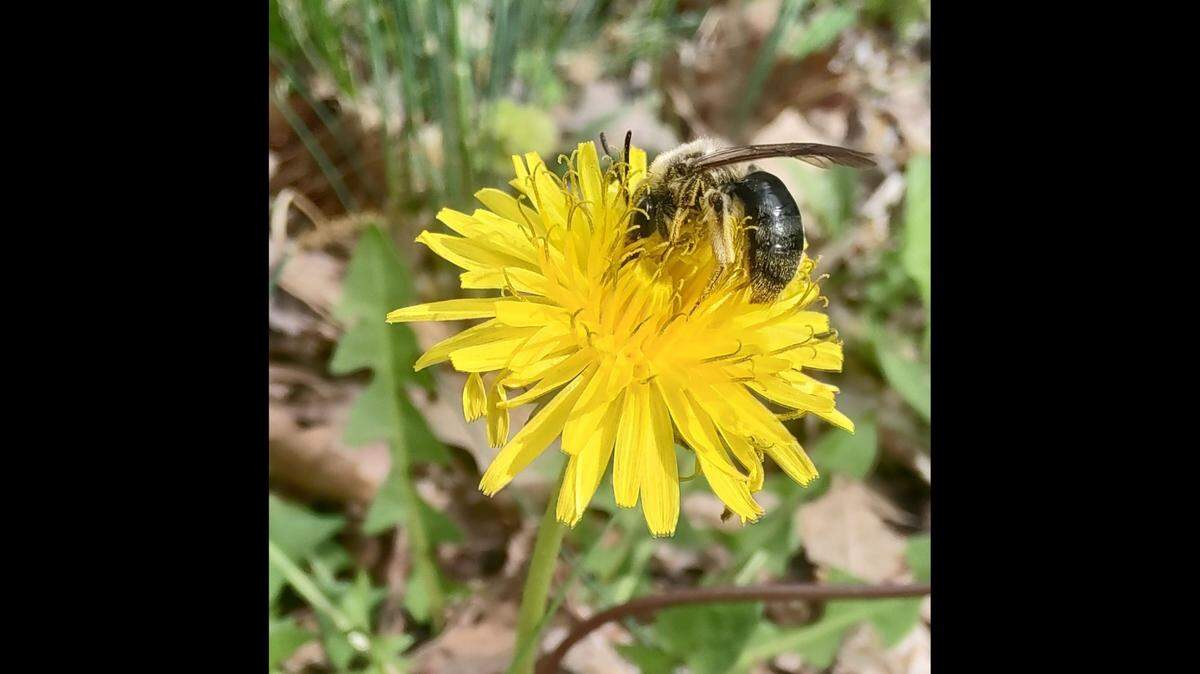
Driving about and exploring the city recently, I couldn’t help but admire all the beauty that spring offers. Color is filling our landscape. We see tufts of flowering bulbs, blossoming crab apples and chlorophyll seeping back into our local flora. Even in areas where no outright efforts have been made to incorporate spring color, you can still find vibrant rainbows of blooms as large patches of dandelion and henbit entice waking pollinators for their first snack of the year.
As much of a nuisance as they are for the homeowner, these weeds also play an important role in sustaining the tiny critters that keep our environment thriving. That said, it can also be argued that there is a time and place when encouraging weedy plant growth is appropriate, and your home lawn may not be at the top of that list. This then begs the question: With an ever-growing determination to limit chemical interaction with the environment, how can you mitigate weeds in your lawn?
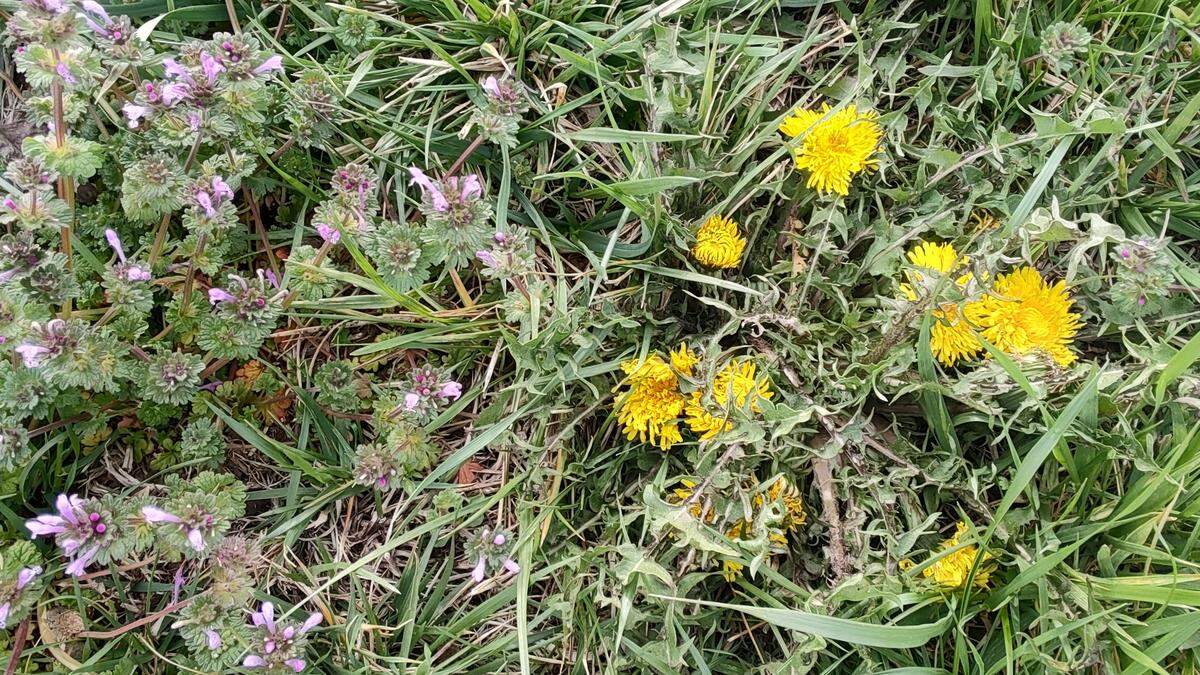
The first and most important factor to be aware of is that a truly “healthy” lawn will be lush enough and full enough that weeds cannot grow in it. Fully sustained grass plants will outcompete weeds for available space, nutrients, light and water, leaving no room for the weeds to establish. As such, getting your lawn to this pinnacle of a healthy state becomes a priority, and you can begin by looking at the basics.
When mowing a lawn, consider how short and how often it is cut, as both factors can lead to decreased plant vigor and thin turf stands. The recommended mowing height of bluegrass and tall fescue is 3 to 3½ inches. Cutting shorter or mowing often to be shorter actively begins depleting the carbohydrate storage of the grass roots, directly affecting the longevity of the plants.
Regarding watering, it is always recommended to check soil moisture before watering your lawn to ensure that your lawn is not too dry or soggy. The soil should be consistently moist but not saturated, and water should not be able to be squeezed out of it.
A soil test is always the best route for fertilization, as it will let you know the exact nutrients present and the exact amendments necessary for your lawn — simultaneously preventing chemical runoff from overapplication of fertilizers and encouraging the healthiest grass plants possible. Don’t forget, however, that the timing of fertilizer application is important. Applied at the wrong time for the kind of grass being worked with, nutrients can benefit weed growth more than grass growth.
Other factors — including diseases, insects, compaction, thatch, grass wear and the environment — can also lead to turf decline, further instigating weeds. Remember: keep the big picture in mind and aim for the healthiest plants possible. The dandelions and henbit will be floriferous elsewhere.
Anthony Reardon is a horticulture agent with Kansas State University Research and Extension. Need help? Contact the Johnson County Extension gardening hotline at 913-715-7050 or email garden.help@jocogov.org.