
Keep your harbingers of spring happy and those daffodils will bloom again next year
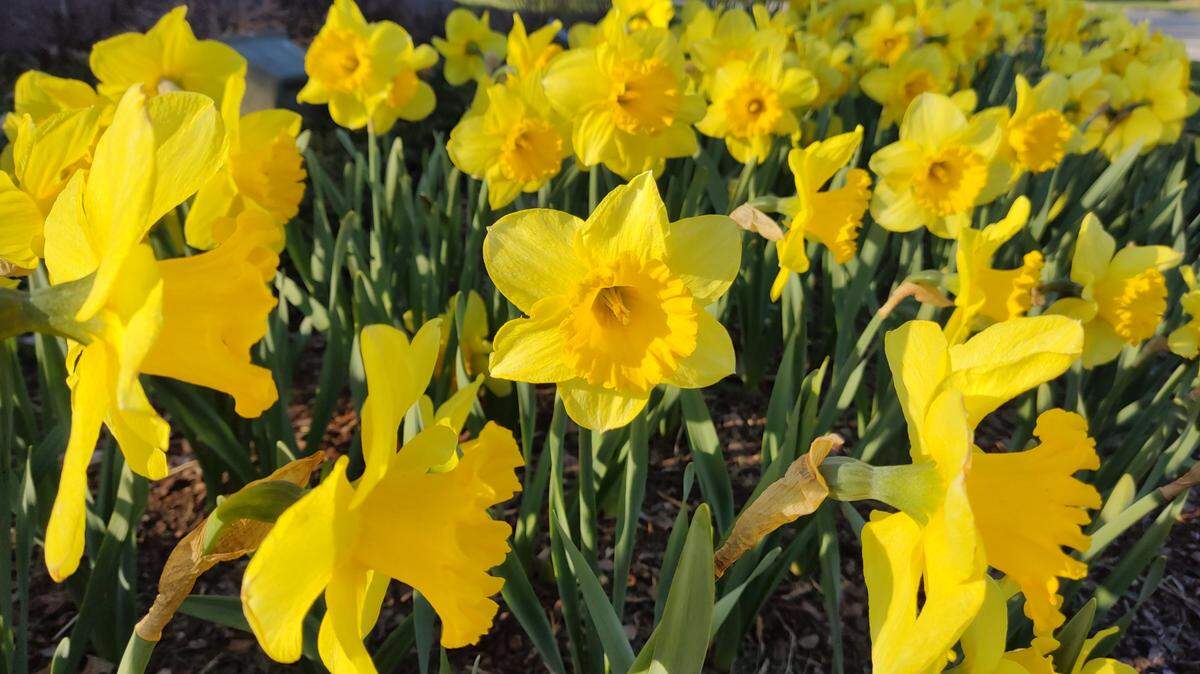
Outside my office window, tucked away in inconspicuous landscaping, I’ve watched tiny tufts of blue-green foliage pop up from the ground over the last couple of weeks. The daffodils aren’t supposed to be in this particular spot. The plant life surrounding our office building is meant to be “an example of native flora.” Narcissus, cheerful and pretty as they are, are native to northern Europe.
Nevertheless, this mandate did not deter a certain green-thumbed rebel savant rock star of the past who shall remain unnamed. Somehow, this garden guru worked magic and sneaked the plants in. Winters here are harsh, and the individual knew all too well the benefits that accompany spring color.
There’s something to be said about ornamental plants that introduce color into a colorless world. Even after the bluest of winters, they remind us spring will return.
A few factors should be considered when caring for spring bulbs as they bloom in the coming weeks and months. As with all plants, proper watering, fertilization and planning for next year ultimately help optimize their performance.
When watering bulbs, aim for moist but not saturated soil, and remember that bulb rot is a common disease that will quickly equate to plant death. On the safer side, it is better to allow the soil to become slightly dry between waterings of spring bulbs, like how one would water cacti or succulents, but to a lesser extreme.
When fertilizing spring bulbs, remember they need to be fed before they begin flowering. If you fertilize after a bloom has formed, the plants are already dying back for the year and are no longer actively growing. Thus, any fertilizer put down will only benefit plants grown in that location afterward.
If you have not performed a soil test on your garden area to know the precise nutrients that are currently lacking, a process your local Extension office can help accommodate, a general low-range slow-release fertilizer such as a 13-13-13 will suffice for feeding the plants. In most bulb gardens, nitrogen will be the most essential supplement requiring refurbishment in the spring, as this nutrient is actively used up by growing plants. Spring bulbs, however, will also require an ample supply of phosphorus for root and bud development. This will become essential if aiming to have your bulbs perennialize.
Another maintenance must when aiming for perennialization will be allowing the bulbs’ foliage to die back to the ground after the plants have completed flowering and blooms have dropped. The nutrients still contained within the leaves will redirect, back down into the bulbs, giving them enough energy to root and regenerate through the coming growing season and following winter. Bulbs, properly nourished, will herald the arrival of spring yet again.
Anthony Reardon is a horticulture agent with Kansas State University Research and Extension. Need help? Contact the Johnson County Extension gardening hotline at 913-715-7050 or email garden.help@jocogov.org.