
Aphids and other bad bugs can survive cold in veggie garden. Do this to wipe them out
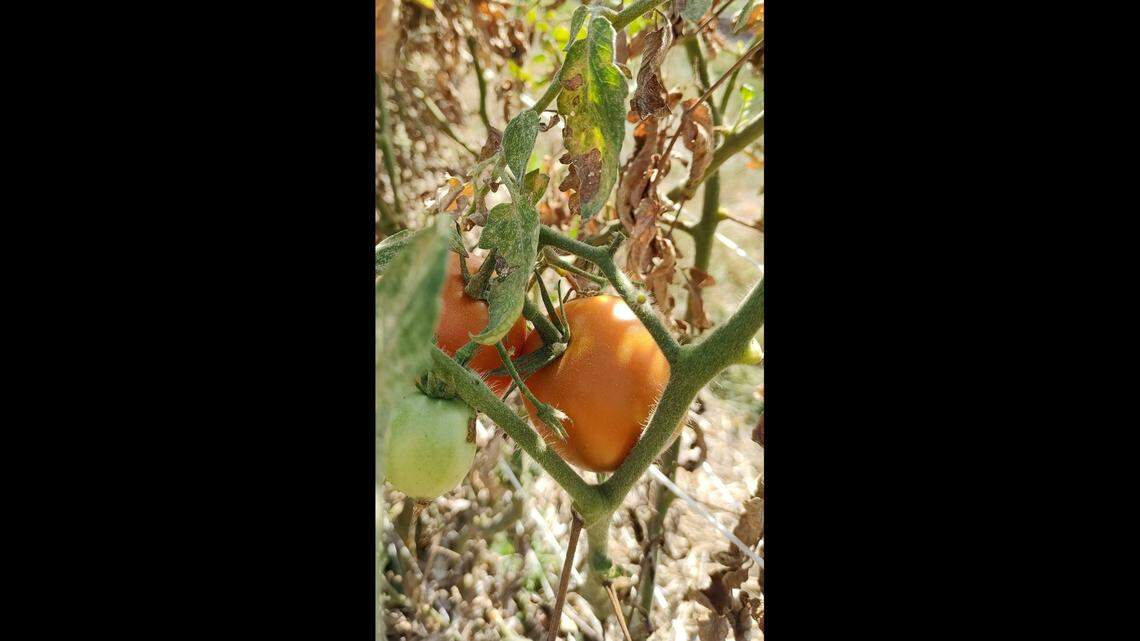
To many “in-the-know” horticulturists, keeping dormant or dead plant material in place through the winter to help pollinators and beneficial insects is not new. Overwintering bees and other beneficial insects live in the soil, the canes of dead grass, the hollows of dormant perennials and the tufts of fallen leaves.
Keeping some or all this material in place until the following growing season, the insects are much more apt to survive the harsh winter conditions with the protection provided. By preserving the waste, you are preserving the protectors. It is a noble practice, yet it is best relegated only to lawns and landscapes.
By the nature of their being, vegetable gardens will always be prone to pest issues. Their overall purpose is to produce a desirable, edible crop. The problem is that if we use the garden for those reasons, so do the bugs. Many insects can plague a vegetable garden through the growing season, including aphids, cucumber beetles, squash vine borers, squash bugs and spider mites.
And so, we take the necessary precautions, both proactive and reactive, organic and inorganic. We experiment through the growing season to find the “just right” treatment mix to optimize our plant health and production, minimize our pest pressure and protect our beneficial insects. And yet, year after year, we see many of the same pest issues return to our gardens.
A primary reason for this is that many pests can overwinter in your soil and plant debris. As the beneficials find a way to stay warm in the dormant plants and soil of your ornamental gardens throughout the winter, insect pests can do the same in your vegetable garden. For this reason, the best practice with a winterized vegetable garden is either a clear-all maintenance practice, another practice known as solarization or using a cover crop.
The clear-all approach, likely the simplest of the bunch, entails removing not just the notable plant debris from a garden area for the winter but all the plant debris — including remnant leaves, vines, tendrils, roots and desiccated fruit. Organic matter is gone, and the pests are left exposed to the elements without a location to hide throughout the season, leaving their demise much more likely.
Another practice, solarization, is the utilization of a plastic tarp over a garden bed in conjunction with the sun’s heat. With the intent of essentially “cookong” your soil through the season, this practice will eradicate insect pests and potentially nematode and disease issues. Done correctly, your garden soil can be well and efficiently “sterilized” before the onset of the next growing season.
The key to responsible yet efficient garden management through winter lies in selectivity in how they are treated.
Anthony Reardon is a horticulture agent with Kansas State University Research and Extension. Need help? Contact the Johnson County Extension gardening hotline at 913-715-7050 or email garden.help@jocogov.org.
This story was originally published November 3, 2023 at 6:00 AM.