
They still need love: Native plants have benefits, but you can’t ignore their needs
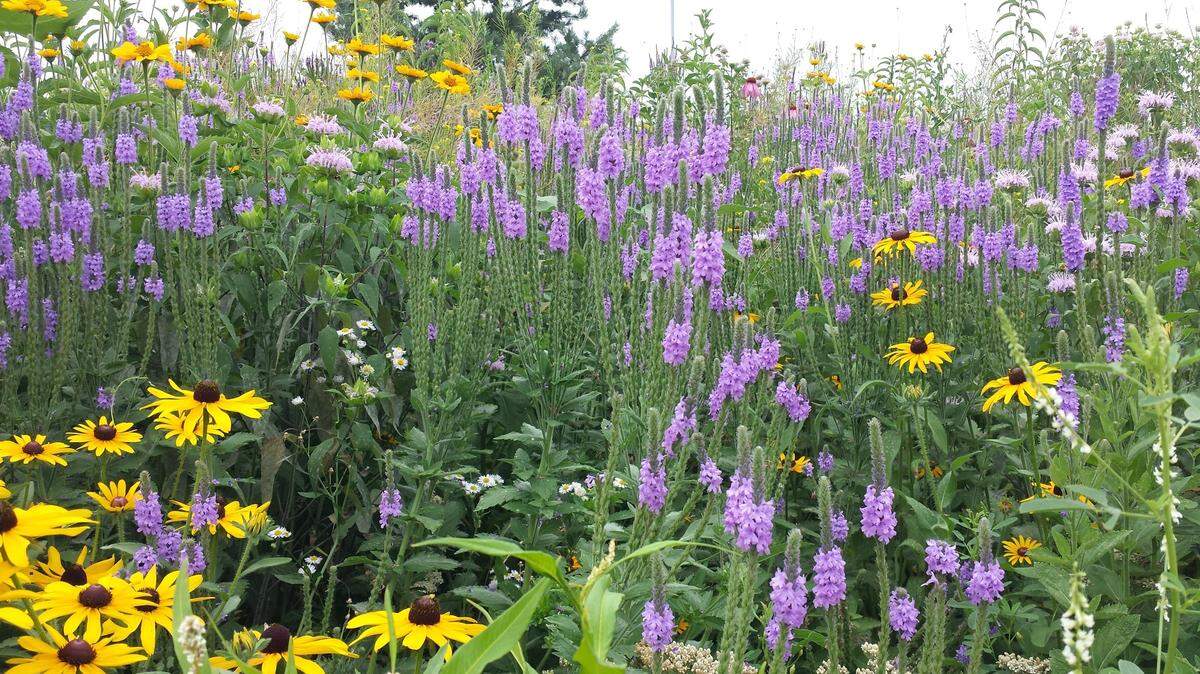
Native plant gardening has become very popular. Sales of those plants are increasing more than other plant purchases recently. Consumers are driven by their environmental benefits, the desire to create pollinator and wildlife habitats and other factors. Who’s buying the most native plants? People in their 30s.
All plants grown in the garden are native to somewhere, just not necessarily to our local region. Plants all need specific soil types, sun/shade exposures, moisture requirements and other factors to thrive. For example, hostas, native to Japan, prefer to grow on hillsides within their chosen plant communities and specific needs. They are no different from the Baptisia or Liatris in the Flint Hills. Native is all about favorable local conditions within their ecosystem.
This could be controversial, but nothing is “native” about the urban and suburban gardens filled with native plants. Construction and human intervention have erased our native soil types. Gone are the vast acres of prairies, forests and other ecosystems in which these plants originally evolved. The only thing natural about these natives in the garden is the selection of plant varieties.
Don’t get me wrong, I heartily support native plants. Potentially, they are better equipped to survive our heat, drought and soils, as well as support many of our beneficial indigenous insects better than plants like hostas. But they are still plants with a specific set of requirements.
Remember right plant, right place? This old saying is just as true for native as non-native plants. Just because the tag says native does not mean it will grow anywhere in the garden.
Along these same lines, just because the plant behaves one way in its natural setting does not mean it will grow or adapt the same way in our gardens. The plant is no longer in its native habitat. Soils are different; compatible plant support layers are missing. A perfectly happy and pampered native may not thrive in your garden. It could grow taller, flop, reseed freely, or spread uncontrollably. They could even become garden thugs.
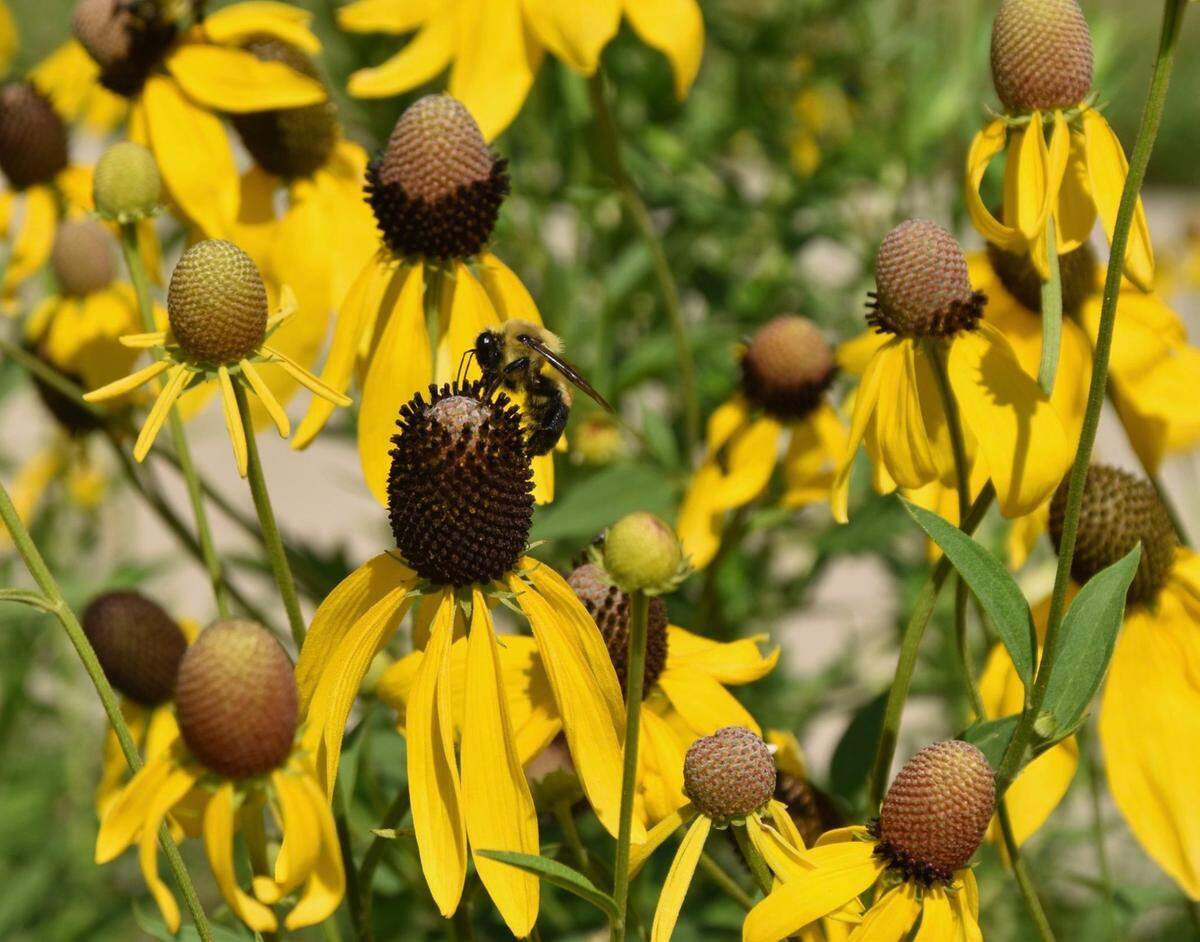
A garden is a place to grow plants. It is about as far from naturally native as one can get. It is manufactured, and the best we can do is attempt to mimic nature. Any garden requires maintenance. Yes, the dreaded word: work.
Issues about the appropriate use of native gardens have been in the news, not only here but in other parts of the country. The concern is often around maintenance. The debate is about the level of care, as natives are promoted to be low maintenance. For many, ease of care is the key selling point.
The truth is that a native garden requires just about as much maintenance as a non-native garden. The use of water, fertilizer and pesticides is reduced. But like any garden, natives must be weeded, divided, removed and cleaned up each spring to revive and maintain aesthetics. They are not a “plant it and forget it” planting exempt from traditional garden chores.
Let’s all continue to plant natives for the variety of benefits they provide. Properly located, planted and maintained, they will fit nicely into landscapes and pass the scrutiny of any city or home association. Let’s just be careful we don’t use native plants as an excuse to get out of necessary upkeep under the guise of supporting the environment.
Dennis Patton is a horticulture agent with Kansas State University Research and Extension. Need help? Contact the Johnson County Extension gardening hotline at 913-715-7050 or email garden.help@jocogov.org.
This story was originally published September 1, 2023 at 6:00 AM.