
Trees too heavy with fruit? Here’s how to ease the burden, from spring to late summer
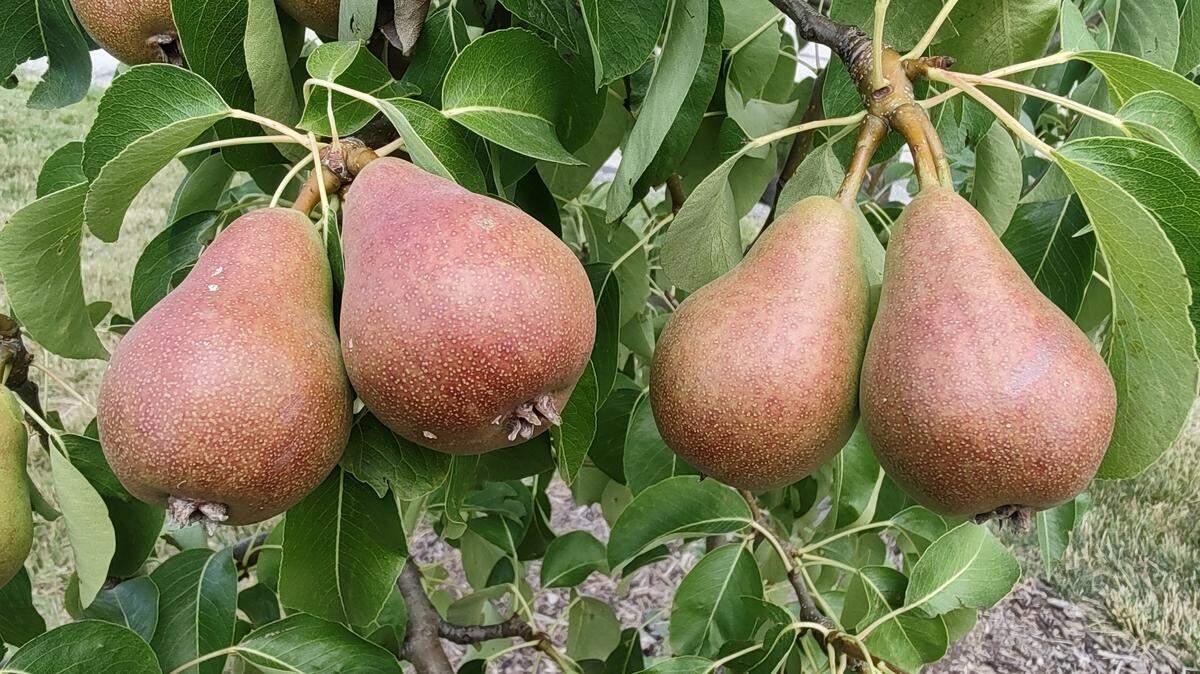
Few garden attractions make a budding horticulturist feel as accomplished as a tree heavy with fruit. That gardener has done the hard work: They watered the tree, pruned it and even took the time to make sure pesky squirrels didn’t eat the fruit before it fully developed. Then why have they just witnessed branches of their prized tree snap off in a brisk breeze?
Weight distribution can be one of fruit trees’ more commonly overlooked maintenance requirements. Unfortunately, this can quickly spell disaster for them. Luckily, a handful of different maintenance options can help gardeners avoid such calamity, and they all tackle the issue at varying points of the tree’s fruit development.
Early spring, before fruit or foliage has even formed, is the recommended time for pruning fruit trees. What does pruning have to do with fruit weight management? Quite a lot.
It’s important to look at the angle of attachment when selecting branches to prune. The ideal angle for a sturdy tree branch is 45 degrees, or the angle between your thumb and index finger. Consider removing branches with angles more acute than this, as these can bear less weight, leaving the tree prone to damage as the branches shear off.
Removing more than 30% of live growth from a tree in one year is never recommended when pruning. Ideally, aim for 15% to 20%. Your pruning cuts are “surgical wounds” that your plants must recover from. Also, by removing limbs you’re removing leaves, reducing photosynthesis and food for your tree.
.JPG "apples on tree (1).JPG")
A little further along in the fruit’s development, gardeners can also thin a crop if the fruit begins to form on the tree in clumps. How does a gardener choose which to thin and which to keep? Look for the healthiest, least damaged and largest among the cluster to keep and discard the others.
This practice not only aids in weight management but also helps allocate the nutrients and resources of the tree to more specific areas for development.
A third maintenance stage is one that many trees are likely to be in very soon: full-sized fruit bearing. August is the time of year when many gardeners will add support to the branches of their pear and apple trees as the hefty stone crops begin to add significant weight to trees. These supports can be store-bought and as simple as a wooden plank propped between the branch and the ground. The caveat here is to minimize friction between the support and the branch and to minimize bark damage.
Caring for a fruit tree doesn’t have to be difficult, but it should be tackled with some strategy. Do so, and you’ll enjoy the fruits of that labor.
Anthony Reardon is a horticulture agent with Kansas State University Research and Extension. Need help? Contact the Johnson County Extension gardening hotline at 913-715-7050 or email garden.help@jocogov.org.