
Want less ‘bite’ to the broccoli? Here’s when to plant for sweet fall veggie harvest
It’s mid-July, so the thought on everyone’s mind must be the same, right? It’s time to plant fall vegetables.
In reality, fall vegetable crops may be far from many people’s priority lists. Instead, most people are primarily focused on barbecues and pool days. Nevertheless, crops such as potatoes, broccoli and many other cruciferous varieties are all planted in July for their late-September to early-November harvest.
So why is this? And what is a fall vegetable garden?
As the name suggests, fall vegetable gardens provide an autumnal harvest. Still, the crucial difference from the rest of the growing season is that these crops can handle, and sometimes even favor, the colder temperatures that develop during harvesting.
It all comes down to the soil and what environment the plants prefer growing in. In the case of cool-season crops, they enjoy the slightly cooler ground where they are planted in the spring.
Because of this, a few modifications need to be made when planting them in the summer. Namely, they need to be planted a little deeper, and you should include some form of organic mulch over them. Both tasks will help keep the seedlings a touch cooler as they germinate, and the mulch will assist in keeping the ground from crusting over in the summer heat.
Typically, when planting cool-season plants in the spring, you will observe a long initial growth stage, followed by rapid fruit development. With fall-planted cool-season vegetables, the situation is reversed. As temperatures gradually cool, the plants begin to slow their growth, and fruits take a long time to develop fully.
This deceleration often means a better flavor, as more sugars can develop within the plant. The growth speed reduction also helps plants that normally bolt too quickly (flower and go to seed) and slows down this process, which gives them a more extended harvest period.
Beans, beets, broccoli, Brussels sprouts, cabbage, carrots, cauliflower, collards, fennel, leek, potato, radish and rutabaga are just a few of the vegetables that can go into the ground in July for a fall harvest — with many others joining that meticulously alphabetized list in August.
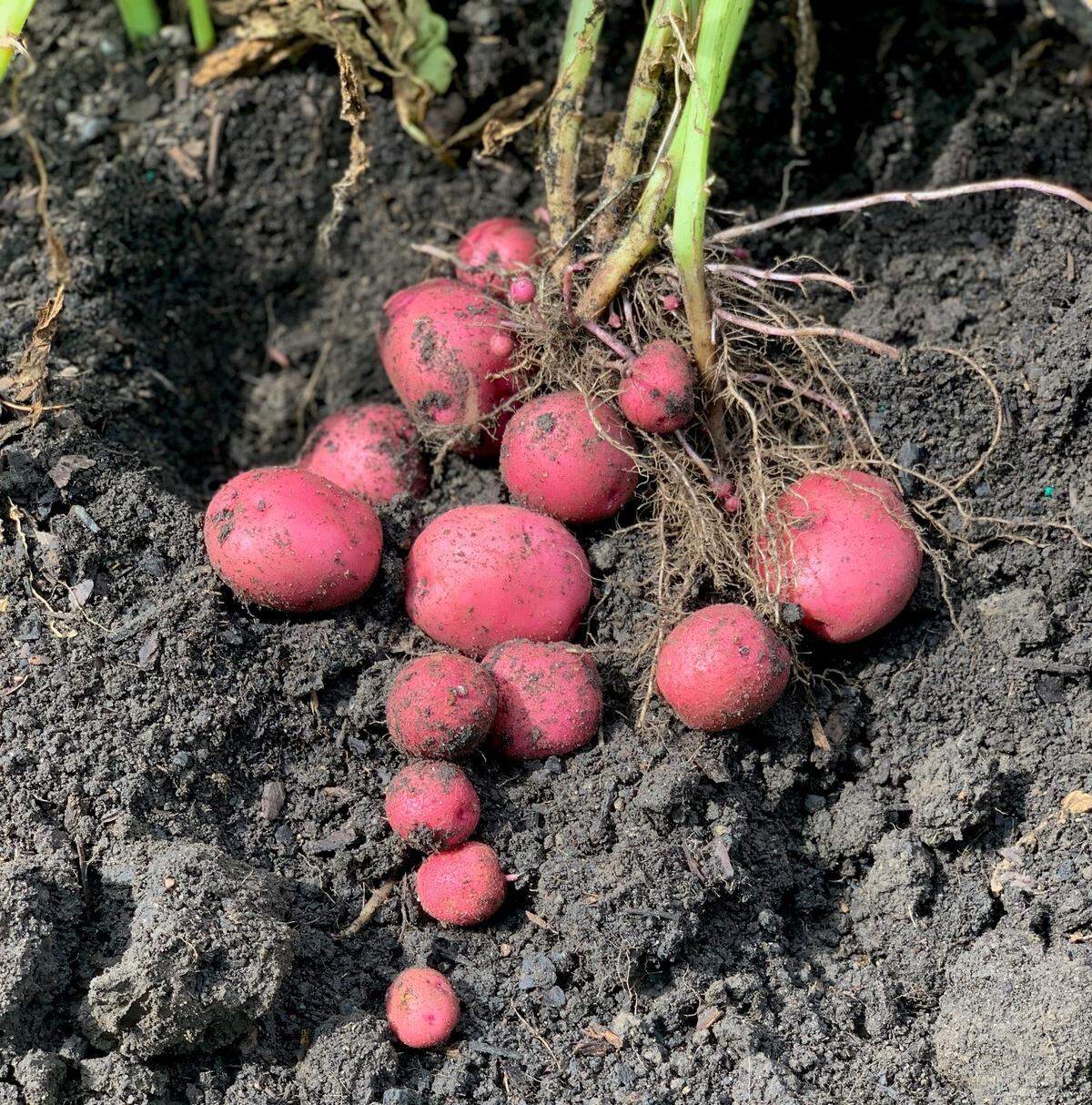
What do these plants have in common? One major shared physiological trait is that they can handle a light freeze, not dying off should the outdoor temperatures dip below 32 degrees. As mentioned, many can also be categorized into the “cruciferous” family.
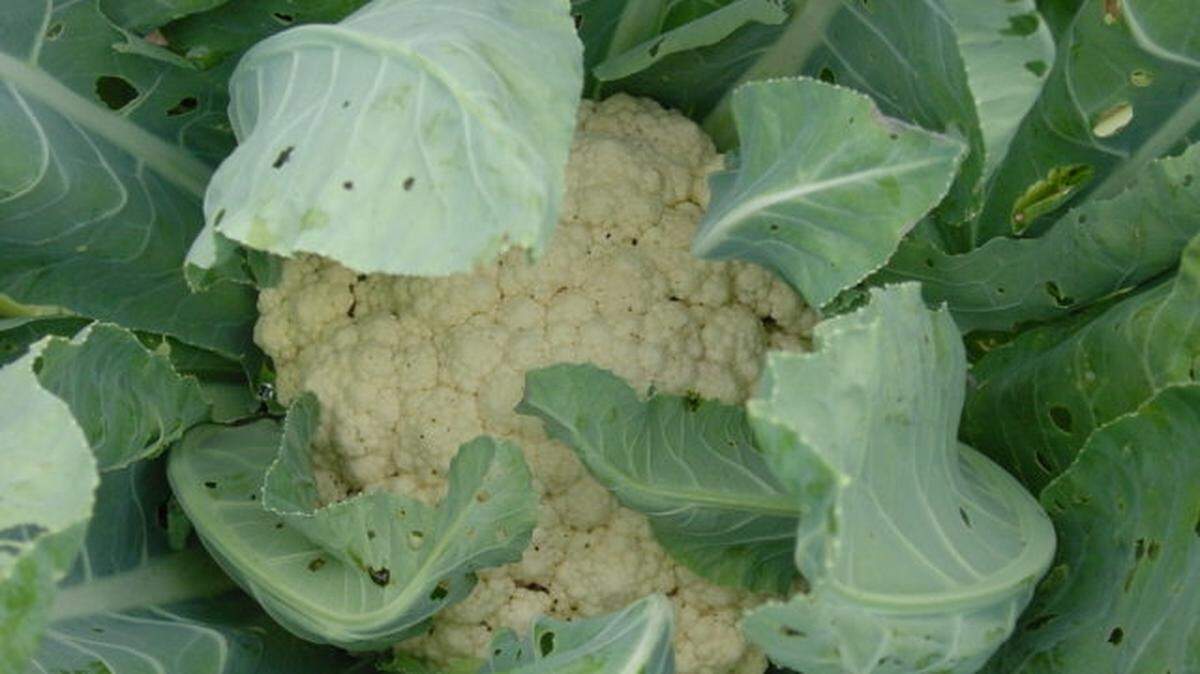
Cruciferous vegetables, also known as cole crops or brassicas, include cabbage, cauliflower, bok choy, Brussels sprouts, kale, mustard, and many other greens. These plants all contain sulfurous chemicals known as glucosinolates, giving them distinct “bite” and bitterness. Given the time to develop gradually in the fall, this chemical becomes sweeter and more appetizing, making this the ideal growing time for the plants.
Timed correctly, a vegetable garden can produce through the end of November, offering more than just the summer holidays to enjoy their bounty.
Anthony Reardon is a horticulture agent with Kansas State University Research and Extension. Need help? Contact the Johnson County Extension gardening hotline at 913-715-7050 or email garden.help@jocogov.org.