
When asked if grass should be ignored in heat of summer, pro gives his classic reply
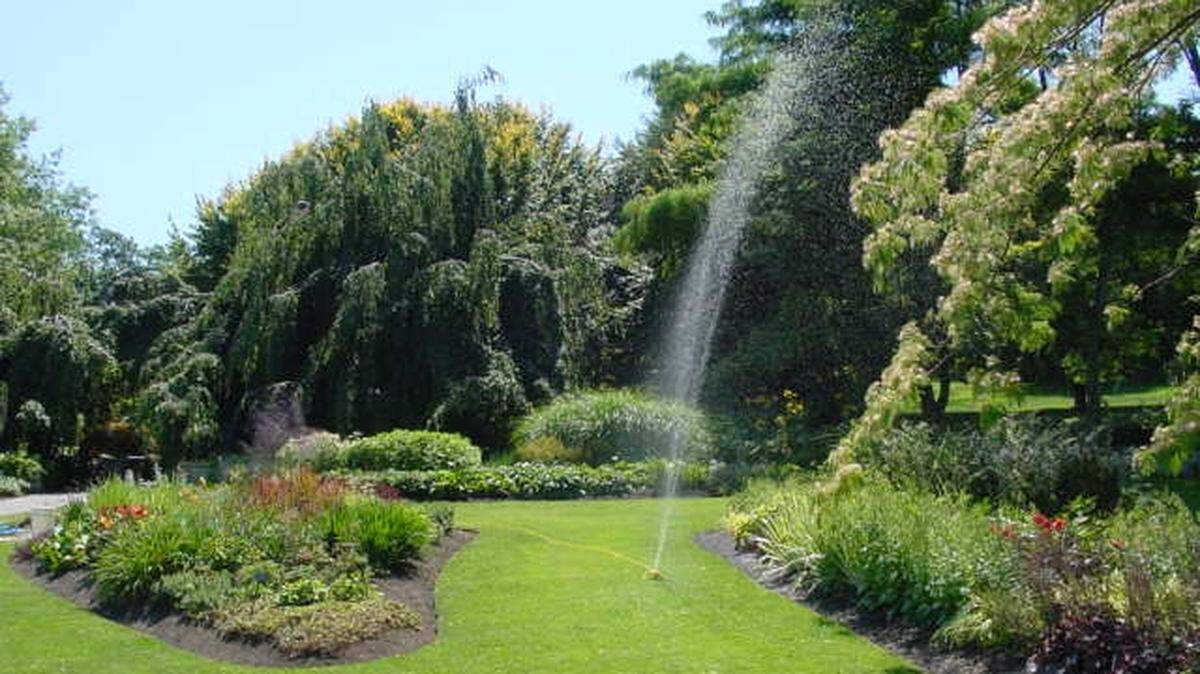
The Kansas City region has been dry. Checking the United States drought monitor map for the last year, the area has been classified as abnormally dry and, at times, in a moderate drought. With the arrival of summer and the hottest, driest time of the year, many of us begin to water our lawns to prolong that vibrant spring green.
Area lawns are mainly cool-season species: tall fescue and bluegrass. Cool-season lawns thrive in the spring and fall. Summer stress causes the lawns to go dormant and turn brown unless ample water tricks them keep them green. Do lawns need to be watered, or can they be allowed to go dormant? The answer gets one of my patented responses: it depends. It depends on your level of inputs and desired look.
Cool-season lawns can recover from summer dormancy. They don’t need to be watered on a regular basis. Once cooler conditions and rainfall arrive, the lawn awakens and starts to green up. The concern with dormancy is that there is a fine line between dormant and dead.
Several factors go into the lawn’s ability to survive prolonged drought: soil type, compaction, depth of rooting and culture, to name a few. The best recommendation for dormancy is to water occasionally, every two to three weeks. This will help ensure that the actively growing part of the lawn, known as the crown, stays hydrated. This reduces stress and keeps more turf alive.
Watering the lawn does retain the color. However, watering is expensive, and many question the use of the resource. If you do water, use the resource wisely. Properly watering means knowing how much water is being applied in the correct way.
Typically, lawns will require one to one and one-half inches of water per week. This amount of water soaks the soil to a depth of around six inches, which keeps the roots hydrated. The amount of water applied is measured in inches, not in minutes the sprinklers run. Length of time is not a measure of water output.
Proper lawn watering starts with knowing how much water your system puts out in a specific amount of time. This holds true whether you have an in-ground system or drag a hose. Set a rain gauge inside the sprinkler pattern and determine output. From there, you know how long it takes to run the system to achieve the needed amount of water.
When scheduling your sprinkler system to replace lost moisture, attempt to apply the inch of water in as few applications as possible. A three-time per-week schedule is common. Avoid the common Monday, Wednesday, and Friday. Instead, opt for Tuesday, Thursday, and the weekend. Everyone watering on the same day puts pressure on the treatment process.
Hose draggers lack the convenience of an automated system. The goal is to apply the needed water in one weekly application. Deeply soaking the soil means the water runs for hours in one spot. Again, you must know your sprinkler output to know how long to run.
Whether you water or not is a personal choice customized to fit your budget, needs, and schedule. If you do water, water wisely. Water is our most precious resource: one we cannot live without.
Dennis Patton is a horticulture agent with Kansas State University Research and Extension. Need help? Contact the Johnson County Extension gardening hotline at 913-715-7050 or email garden.help@jocogov.org.