
Is that tree or shrub in the wrong place? Consider those roots before transplanting
I made a mistake. Can I move my tree or shrub? Gardening experts hear this a lot.
Transplanting smaller trees and shrubs is possible. There is a science and some work involved to ensure success.
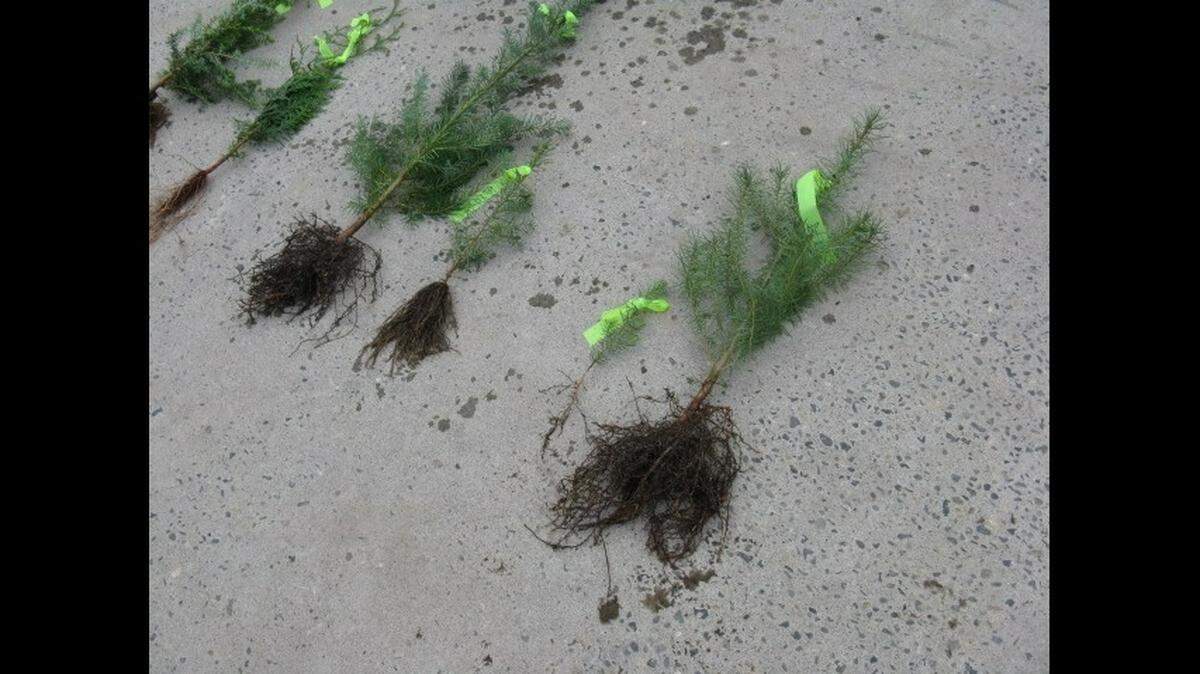
Transplanting established trees and shrub is most successful when we plan. Digging up a plant with an established root system removes many feeder roots. These roots support the tree’s growth and water uptake.
Ideally, the transplanting process would begin in the fall for a spring move. The autumn before moving, root pruning should take place. Root pruning is a process of slicing through the soil at the point the plant will be lifted come spring.
The benefit of root pruning is it cuts larger feeder roots. The plant sends out new, more fibrous roots in the soil mass to be moved. This increases the number of roots to support the tree or shrub after the move, reducing transplant shock and increasing the chance of survival.
Plants should be transplanted when dormant, before bud break. The best time for most plants would be late February through early March. The plants are dormant and have several weeks of cooler weather, reducing the stress placed on the plant by warmer temperatures and sunny days. Once the plant loses its foliage and is dormant, fall is the next best time.
The size of the root ball or mass of soil and roots moved is essential. How much soil and seeds move is proportional to the size of the plant. The recommendation is for about every 1 inch of trunk diameter of a tree dug or moved that a root mass approximately 10 to 12 inches in diameter and about 10 inches deep. A small shrub about 3 to 5 feet in height will need to be around 14 inches in diameter and about 10 inches deep.
Keep in mind that a mass of soil this size with the plant will weigh around 125 pounds. It will take significant effort to dig around the plant, get it out of the hole, and move to the new location. The root ball should not be broken, and the soil must stay intact around the roots. If the ground breaks away, the feeder and root hairs picking up the water will be killed, reducing the chance of survival.
Wrap the root ball in a tarp or burlap to help hold the soil in place. Move the wrapped root mass on a cart, cardboard or tarp to drag it to the new location.
Resist the urge to prune the top growth to balance the loss of roots. Pruning eliminates branches and leaf growth, which signals stress to plants and reduces their ability to manufacture food. Pruning will slow establishment and lower survival. Remove only broken or dead branches when transplanting.
Once moved, treat it like a newly planted plant. Keep well-watered as it will take several years to re-establish.
Transplanting can be done, but it may be easier and less work to start with the right plant in the right place.
Dennis Patton is a horticulture agent with Kansas State University Research and Extension. Have a question for him or other university extension experts? Email them to garden.help@jocogov.org.
This story was originally published February 10, 2023 at 6:00 AM.