
Is it time to panic over signs of spring growth in winter? Here’s what the pros say
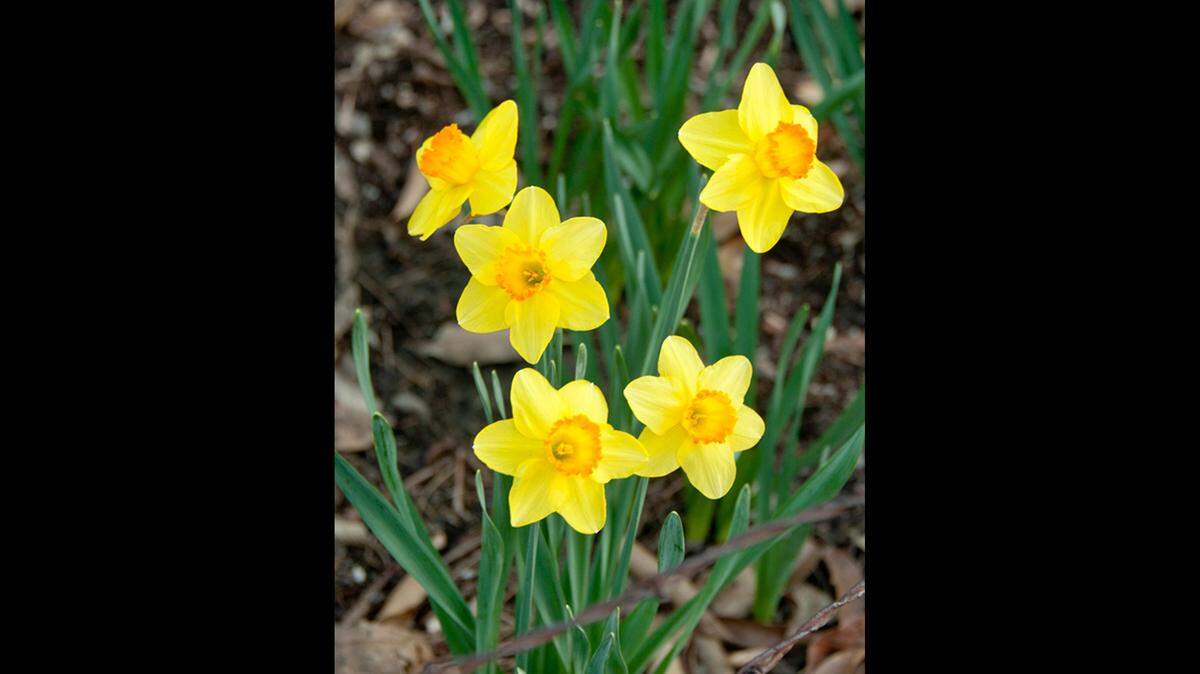
We normally don’t think about spring flowering bulbs in January. They are out of sight and out of mind. This January’s milder temperatures have spring bulbs like tulips and daffodils beginning to peek out and make their annual appearance. The emerging foliage can cause us concern.
Growth of spring bulbs starts in the cool of the previous fall. Fall conditions after summer dormancy start the growth cycle. Root development is taking place underground. These roots are vital for supporting the plant once growth begins in spring. Strong roots allow the bulbs to pick up water and nutrients and regenerate growth for the next season’s bloom.
Spring bulbs require a short chilling period of cooler soil conditions to properly complete their life cycle. Once this cooling requirement is met, they are ready to burst forth, grow and flower. We have reached that point in our winter season. Thus, growth is appearing with the milder weather.
The concern is what happens if we have harsh cold weather? Will the flowers be harmed? The good news is this early in the season only the bulbs’ foliage is appearing. Harsh cold weather patterns could nip or burn the new growth. The worst that could happen is later in the spring the foliage tips of the tulips and daffodils could be browned.
The flower bud is still tucked deep into the bulb underground, safe from the winter weather. Cold damage to the flower is most likely to happen when we have a late spring freeze once the flower bud has emerged. The closer the bloom is to opening, the more likely damage will be done. Freezing conditions at this point usually affect the stem strength or results in an off color to the bloom.
There is no need to panic with winter growth. The concern for the health of the spring flowers should start once the buds are fully visible. The growth will slow if the winter conditions return to more normal.
There is no need to cover or protect the foliage. Some recommend spreading a light layer of leaves or mulch over the developing foliage. This will provide a little winter protection. Do not add soil over the foliage as the result is a deeper planting depth.
One task that can be done in the coming weeks to help spring flowering bulbs is fertilization. Research indicates bulbs are best fertilized as they emerge. Once the bulb starts to flower it has completed its growth cycle and does not take up nutrients. It converts the stored energy in the bulb into next season’s flowers. Basically, fertilization after the flower opens does little good.
Bulbs are not heavy feeders. Each clump of five to 10 bulbs only needs about a teaspoon of a balanced fertilizer such as 10-10-10 or a handful of an organic fertilizer. Sprinkle around the clump, water in and you are set for another year.
Once flowering is complete never remove the foliage until it starts to yellow and die back. Once the foliage dies down, the flower bud for the following year is already set. It needs time to mature during its long resting stage. The good news is the emerging growth offers hope and heralds the arrival of spring just around the corner.
Dennis Patton is a horticulture agent with Kansas State University Research and Extension. Have a question for him or other university extension experts? Email them to garden.help@jocogov.org.
This story was originally published January 20, 2023 at 6:00 AM.