
What’s the definition of a weed? Classify them correctly to avoid chaos in garden
.jpeg "Noxious weeds impacting suburbanites are Johnsongrass and musk thistle.")
Weeds tend to be the number one issue for gardeners. The name can take on many different meanings. Let’s get down into the weeds on the various definitions.
What is a weed?
The definition of a weed is a plant out of place. Defining them this way means any plant could potentially be considered a weed. A volunteer tomato plant that sprouts up in the carrot patch would be a weed if it is not wanted. Cleome that reseeds in the flower garden is a weed if not controlled. If you value the plant, then it is not a weed.
A weed is a plant growing without restraint and out-competing desirable plants. Regardless of the conditions, weeds tend to grow vigorously and frequently overtake our attempts to eradicate.
Noxious verses obnoxious
Weeds are obnoxious, but this word causes confusion. Noxious weeds are a classification for extremely aggressive weeds and are placed in this category by governmental regulations. In Kansas and Missouri weeds are classified as noxious by the Department of Agriculture. The definition is defined by state legislation.
Few weeds make this list. Noxious weeds must be difficult to control and have an agronomic impact. Their presence significantly reduces crop yields and the value of the crop, whether a wheat field or pasture. Because of this, each state has noxious weed laws.
Noxious weeds impacting suburbanites are Johnsongrass, bindweed, and musk thistle. Kudzu is often placed in this category because of its potential damage, not because it is established in our area. Removal of noxious weeds can be enforced legally, or the landowner can be charged for their removal.
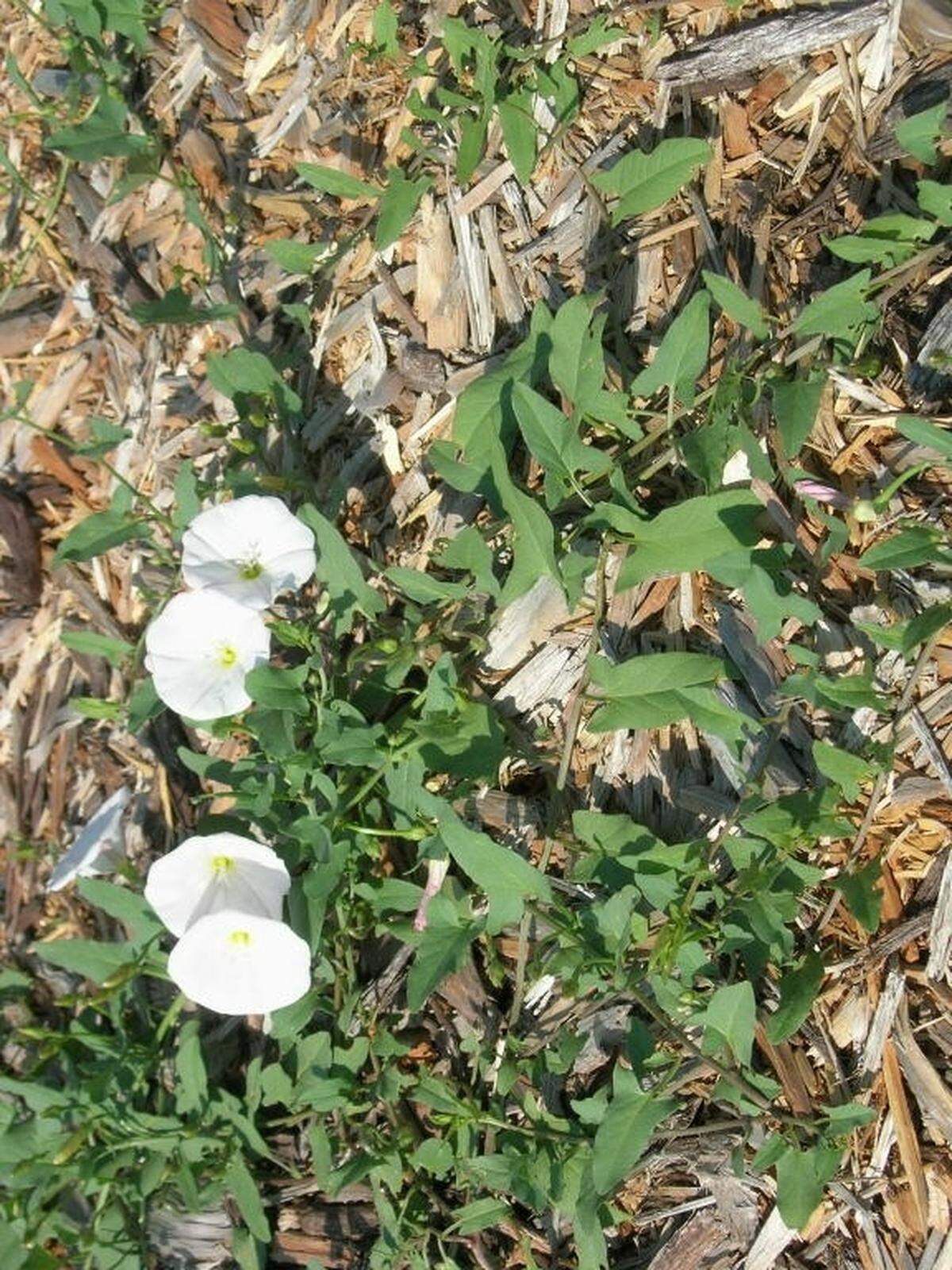
Plants can also be quarantined by states. In Kansas, the sale of purple loosestrife, also known as Lythrum, is banned due to its potential to clog waterways. The classification does not require you to uproot, but a diligent person would consider removal the right step to prevent it from reseeding and spreading.
Invasive
Although the term invasive plant can be used to describe weeds, invasive is not a regulated classification unless the plant is deemed noxious. Instead, it is a term to alert people of its potential detriment. Gardeners often think of invasive plants as those that have escaped cultivation and taken over native areas.
Examples of two invasive plants with significant impacts on our natural areas are Asian bush honeysuckle, and Callery or Bradford pear trees. Honeysuckle spreads easily by bird dispersal throughout the understory of wooded areas and chokes out the native plants of the forest. Bradford pears planted in our landscapes set abundant seed crops which birds and small mammals help spread. You can find it forming dense thickets in our grassy areas, outcompeting, and killing the native vegetation. Removal or not planting invasive plants is a conscious decision not enforceable by law.
Garden thugs
Some weeds are neither noxious nor invasive, just unruly plants spreading uncontrollably and not easily eradicated. Examples of these garden thugs are Houttuynia (Chameleon Plant), mint, or gooseneck loosestrife. Gardeners plant them not aware of their intrusive habits. The best remedy for garden thugs is avoidance. Aggressively spreading plants may sound good, but trust me, they do more harm than good.
Fighting weeds is one of the top challenges for success in the garden. Classifying them correctly may help bring control to the chaos and reward us with the upper hand in the battle.
Dennis Patton is a horticulture agent with Kansas State University Research and Extension. Have a question for him or other university extension experts? Email them to garden.help@jocogov.org.
This story was originally published November 18, 2022 at 6:00 AM.