
Make your corner of the world a little greener: Here’s the best time to fertilize
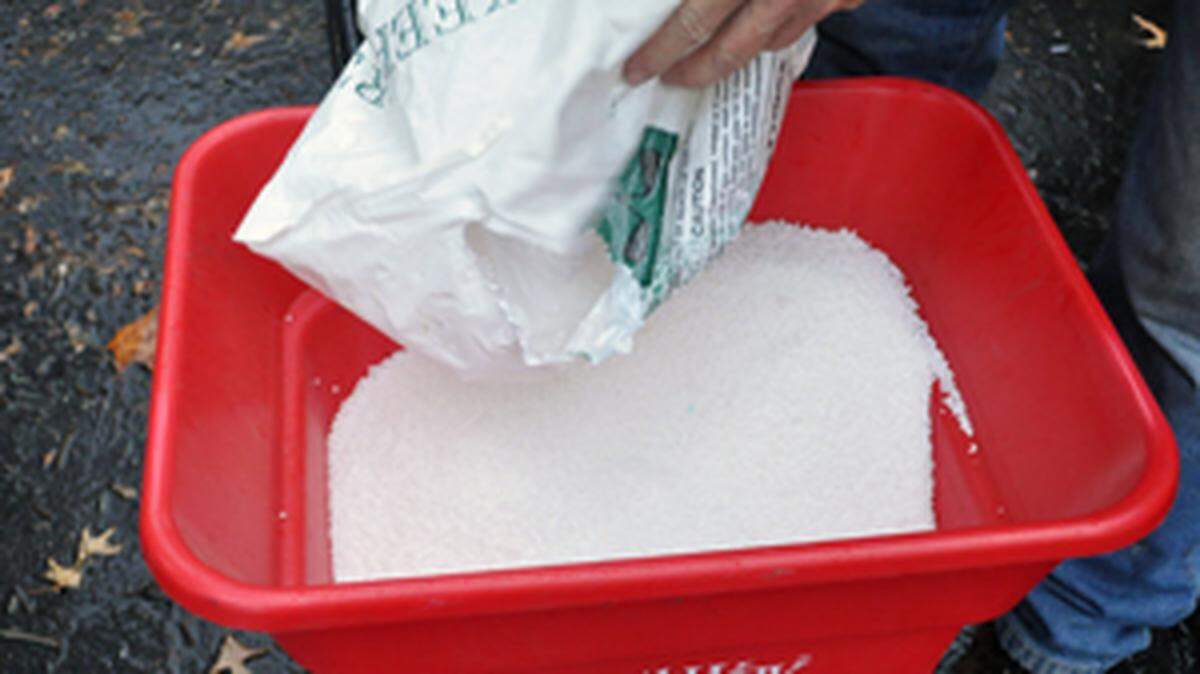
The concept of the American lawn is evolving. Lawns and ground covers have a cooling effect, prevent soil erosion, and capture carbon. Even with those advantages, not everyone wants a high-input lawn that rivals a maintained golf course. No matter your desired level of maintenance, a cool-season lawn can benefit from a November application of fertilizer.
Research indicates that even lower inputs of fertilizer provide benefits. November is the second most important time for fertilizing a cool-season bluegrass or tall fescue lawn, with September being the most important application. The November application helps the lawn flourish well into the next season. Nutrients applied are taken up by the plant and converted to stored food. The plant stores this energy and utilizes it later when it needs it for spring growth.
How does the grass plant use this stored energy for a greener lawn? The grass uses the food to build strong roots. It’s the root system that supports the plants and helps them stand up to summer heat and drought. A November fertilization helps create a lower input lawn come summer.
The fertilizer develops strong crowns in tall fescues. Bluegrass uses it to build crowns and rhizomes. The result is a thicker, denser turf canopy and less weed growth. A thicker lawn chokes out weeds and reduces the need to apply potentially harmful herbicides.
The November application provides for early spring green-up without the excessive top growth. That means a thick green lawn with less frequent mowing. Less mowing reduces the use of gas and harmful exhaust from the engine.
Applications of fertilizer in the late winter or early spring convert directly to top growth. You’ll still get the same green appearance, but the lawn requires more frequent mowing. Studies show spring applications deplete food reserves and result in increased stress. They force the turf to grow, decreasing nutritional reserves, while you use more of your time and energy mowing more often.
.jpg "fall-lawn (2).jpg")
Research has found the November application replaces the spring application. This method is superior to force-feeding the turf with the spring application. It minimizes unwanted weeds by providing a denser soil covering and reduces emissions from all that additional spring mowing. The turf responds best when the nutrients are stored in the plant and can use these nutrients when needed.
Nitrogen is the essential nutrient needed for proper grass growth. Rarely do our Kansas City soils require phosphorus or potassium, which are the second and third numbers found on a fertilizer bag. Look for products such as 30-0-0, 27-3-3 or similar. The formulation of nitrogen should be quick release. Meaning once applied and watered into the soil, it’s readily available for the plant to pick up and convert to stored food. Organic sources can be used but are slower release. Apply earlier than November to allow adequate time to break down and start feeding the soil and lawn.
After applying the fertilizer, be sure to sweep or blow any fertilizer pellets back into the lawn to prevent them from washing into our storm drains during rainfall. This small step will help to keep our local water clean.
No matter the desired level of maintenance, you can make your corner of the world a little greener. This application goes a long way in helping your lawn be a little more environmentally friendly while strengthening it for the roller coaster of our seasonal extremes.
Dennis Patton is a horticulture agent with Kansas State University Research and Extension. Have a question for him or other university extension experts? Email them to garden.help@jocogov.org.
This story was originally published November 11, 2022 at 6:00 AM.