
Produce picked? Here’s what to do to ensure next year’s vegetable crop is outstanding
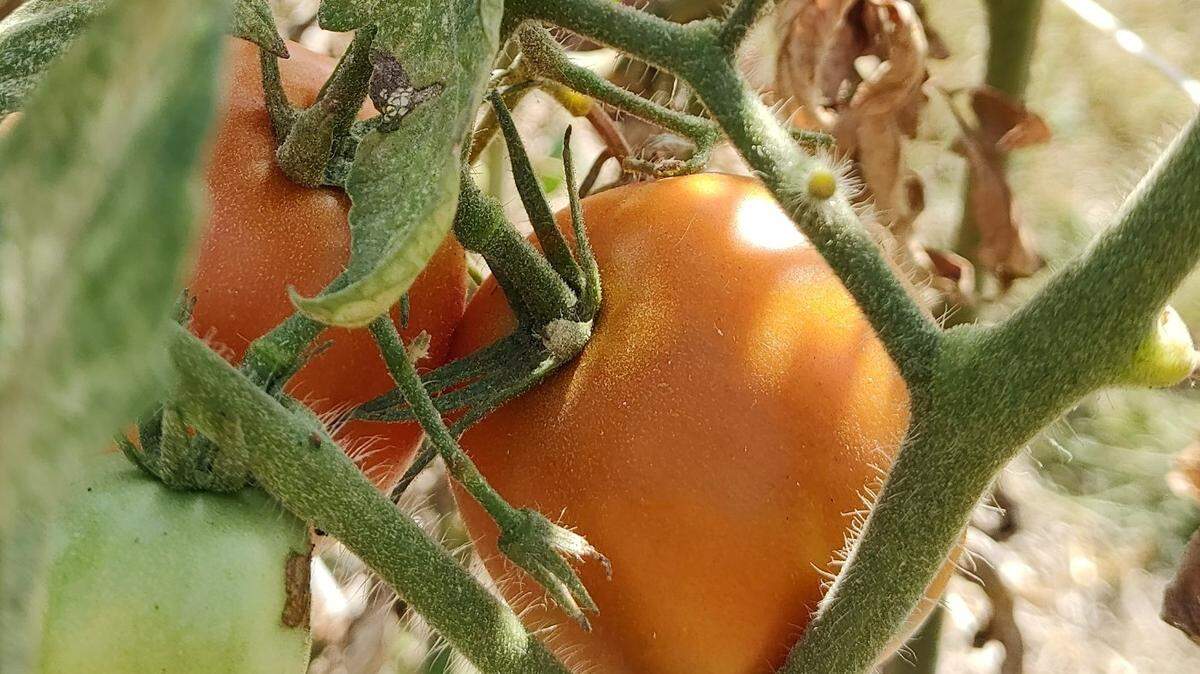
A difficult season in the vegetable garden is ending. Hotter temperatures and below-average rainfall have made it challenging. Before we close the books on our garden, consider these necessary and timely chores to put you on a path to success for next year.
One simple chore would be cleaning up residue. Remove vines and plants to reduce the spread of insects and diseases. Leaving old materials in the garden provides a haven for overwintering insects and allows disease spores to lie dormant.
Think twice about composting vegetable plant debris. Woody stems of tomatoes and other vegetables take time to break down and may not completely kill the pests. It is best to discard the vegetable debris.
Next, turning over the soil in the fall offers advantages for next season. Rough-till the soil, which means to leave it a little rough or cloddy. The freeze and thaw cycle during winter will break down the soil. When spring arrives, rake and smooth out the surface, and you are ready for planting.
Add organic matter
KC soils tend to be high in clay and slow to drain. When they compact, they result in poor plant growth. Organic matter such as compost, peat moss and other materials naturally counteract the properties of clay and allow the plants to root deeper. As you till or turn the soil, incorporate 2 to 4 inches of good quality organic matter. This will build the soil, add air space and help hold more moisture.
Consider the growing trend toward no- or low-till gardening. Instead of the traditional turning of the soil, spread the organic matter on top of the soil. This allows nature to help incorporate the organic matter. Spring planting only disturbs enough soil to plant the garden.
Get a soil test
Soil testing is provided by all metropolitan extension offices and provides information needed to correct any imbalances. It will also guide you to the best type of fertilizer necessary to apply for optimized growth. One issue that reduces a plant’s ability to pick up the nutrients needed for good growth is soil pH. Once the pH level is corrected these nutrients become available to the plant. A soil test provides a basic analysis of the soil pH and available nutrients in the soil. More details at www.johnson.k-state.edu/lawn-garden/soil-testing/free-soil-test.html
Make notes and store seeds
We all have good intentions and think we will remember what thrived or what didn’t. Come spring we forget what we planned to do differently. Now is a good time to take a few minutes and make notes on which varieties worked and which failed. Planning will help start you off on the right foot.
Vegetable seeds remain viable for two to three years when properly stored in a cool and dry environment. Tuck seed packets into a zipper storage bag or container and place them in the refrigerator to help keep them fresh and viable.
Regardless of garden size, take steps now to help position you for success toward an enjoyable and productive garden season next year.
Dennis Patton is a horticulture agent with Kansas State University Research and Extension. Have a question for him or other university extension experts? Email them to garden.help@jocogov.org.
This story was originally published October 14, 2022 at 6:00 AM.