
Eager to tidy garden? Discover why it’s wise to back away from the pruners in autumn
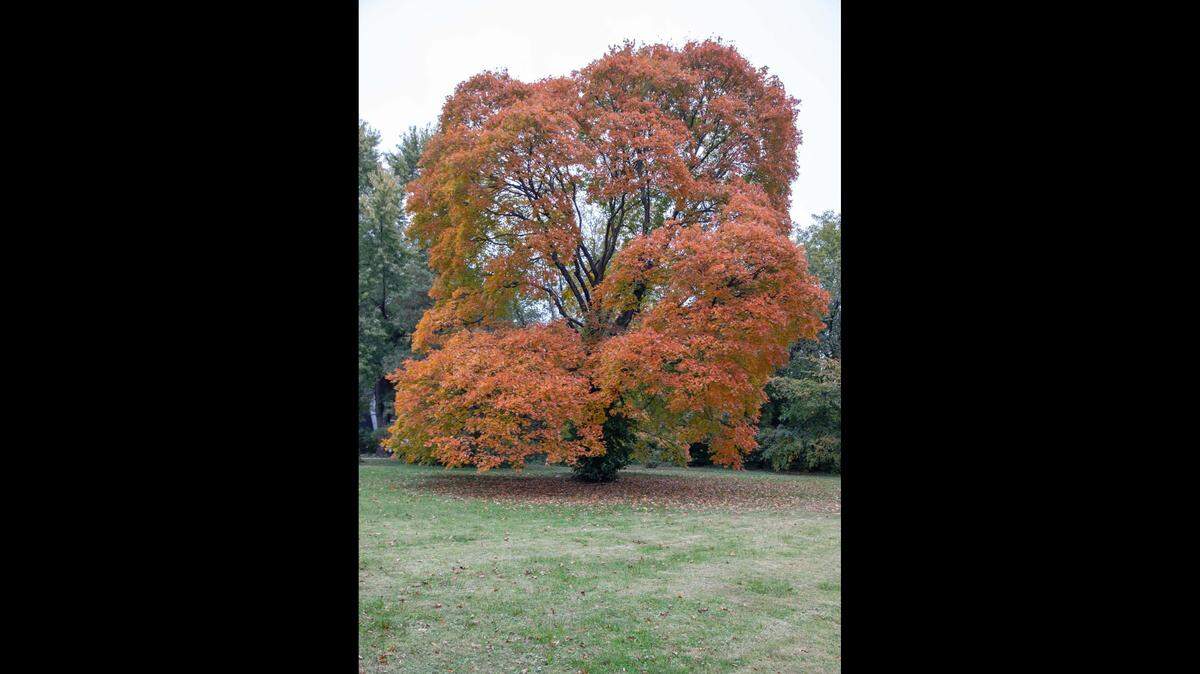
Fall is a time to wrap up many landscape chores before the winter cold arrives. Pruning trees and shrubs could be one task on your list. If pruning is on your to-do list, you might want to think twice as research indicates fall may not be the best time for this task.
Woody plants obtain their energy for growth through their foliage. As the weather cools and daylight decreases, sugars and other nutrients move from the leaves into the branches and trunk. Pruning before leaf drop removes this food source, decreasing the amount of stored energy.
According to research from Penn State Extension, fall pruning reduces the cold hardiness of woody plants. Pruning a branch too soon can delay dormancy and stimulate new plant growth. Heavy pruning affects the trees dormancy more than a light pruning. Light pruning is defined as less than 10% of the total wood removed.
Pruning is best accomplished when the trees and shrubs are fully dormant. Dormancy happens after leaf drop and several hard freezes in the fall. The lack of foliage exposes the structure of the tree making it easier to decide which branches to leave and which to prune. Reduced structure visibility when the tree is fully leafed out may also make choices more difficult.
Timing for shrub pruning is based on its flowering habit. Pruning early spring flowering shrubs before they bloom will remove the flowers. Follow the same rules for trees when it comes to thoughts of fall pruning.
Pruning during winter reduces the spread of insects and diseases to the open wound as they are not active. Since spring is a time of rapid growth, making the cut in winter stimulates that new growth and helps the plant seal off the wound made by the cut.
Whether winter injury occurs is dependent on several factors. The tree species has an impact. Woody plants marginally hardy in our climate are more susceptible to winter injury. Genetically they are not programmed for more extreme weather conditions. Damage is most common when there is a sudden drop in temperatures following pruning. Following fall pruning the plant does not have time to prepare internally for winter. Sudden temperature changes in the fall are becoming more common.
There is an adage that says, “prune whenever your pruners are sharp,” but we may want to think twice based on this research. As with most rules, there is always some gray areas. In the case of dead wood, remove it any time of year. It is not alive and does not manufacturer energy.
For safety reasons, any broken, damaged or hazardous limbs should also be removed right away. An example would be a low hanging branch above a sidewalk that could poke someone in the eye. Safety is always an overriding factor.
Go ahead and make a few cuts here and there on woody plants. Remove the dead, damaged and hazardous limbs. But give the tree and shrub time to take in all its energy for growth and become fully dormant before undertaking any major pruning efforts.
Dennis Patton is a horticulture agent with Kansas State University Research and Extension. Have a question for him or other university extension experts? Email them to garden.help@jocogov.org.
This story was originally published September 23, 2022 at 5:00 AM.