
Bagworms are destroying Kansas City plants. Now’s the time to act. Here’s what to do
The dreaded bagworms are set to return and start munching away on our landscape plants. Unless treated at the appropriate time, bagworms can cause irreversible damage. Consider this your yearly warning.
Bagworm feeding takes a toll on evergreens. Their favorites are junipers, spruce and arborvitae. Because of the wide range of host materials, be sure to give all your landscape plants a quick glance.
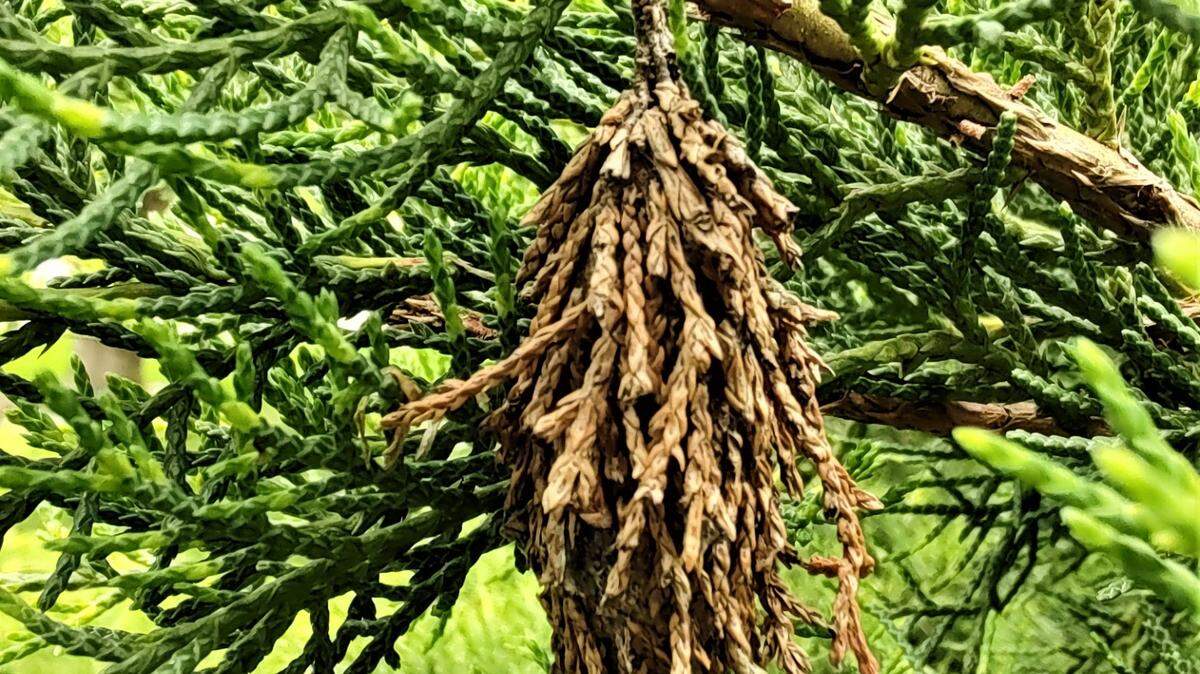
At first, the young worm-like insects are hard to spot as they eat the foliage because they are very small. Their feasting results in an initial browning of the area, followed by the death of the plant under severe feeding stress. Once they are too large to easily control, they are among the most easily identified insects due to the unique and distinctive “bag” they carry with them. Understanding the bagworm’s life cycle will help you control its damaging effect.
Bagworms form a silken cocoon-like bag, which can eventually grow up to three inches in length. It is cleverly composed of silk and pieces of the plant they are feeding on and resembles a small pinecone. They will spend most of their lives eating, while attached to a branch or stem, and will never leave the comfort of the bag. However, the males will leave the bags to mate with the female, then die. The female lays eggs for next year’s hatch.
Bagworms overwinter by the thousands in the egg stage in bags attached to the plant. The eggs hatch in late May through mid-June. The hatchlings are tiny at first, starting about the size of a sharpened pencil tip. This stage of development is the easiest to control.
They develop quickly, spinning an ever-larger bag around themselves until mid to late summer. At that point, the bagworms mate, eggs are laid, and the whole process is ready to start over for next year.
Populations build to damaging levels quickly as each bag of eggs produces more than 1,000 tiny, hungry worms. They are best controlled after hatching in early to mid-June. Just about any insecticide will control bagworms while they are still small, and the silken bag is not tightly formed.
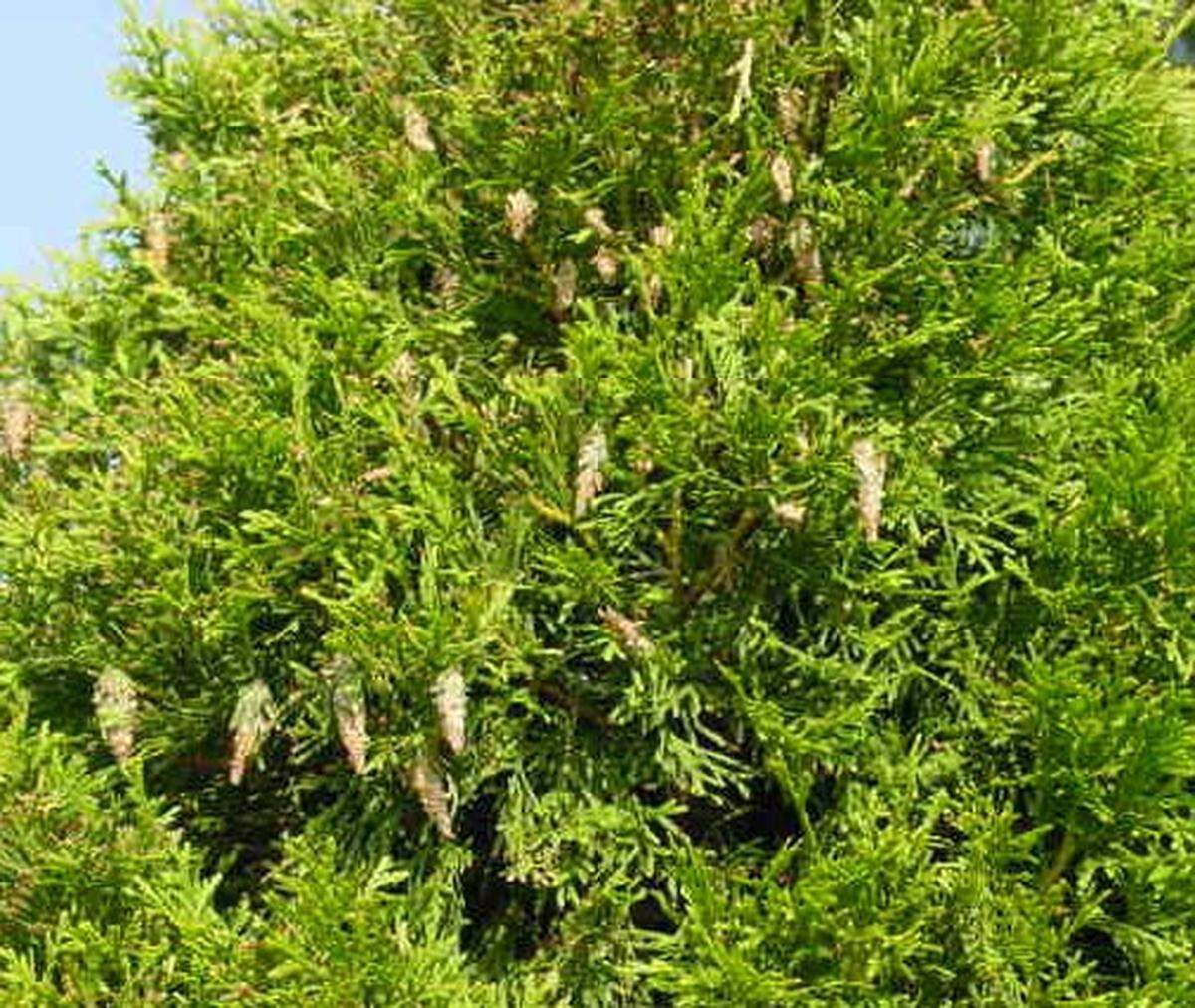
The larger the bag, the more difficult to effectively control. By late summer, chemical applications are useless. At this stage, handpicking and destruction of the bags is recommended. This is a slow, tedious task which most people would prefer not to do.
Small, developing bagworms are easy to kill when treated in June. Most insecticides are effective on bagworms at this time of year. Products to apply include Spinosad, Acephate, Cyfluthrin or Permethrin. An organic product called Bacillus thuringiensis is also effective. Thorough coverage of the plant is essential for full control. Be sure to soak any developing bags with the spray.
Now is an excellent time to give your evergreen plants a close inspection for bagworms. Extension receives many calls each year from people attempting to identify this pest. They say something to the effect of “they just appeared overnight.” Although that is what it seems, they are indeed already present in your landscape.
Keep in mind they can do a lot of damage in a short time, so identifying a bagworm infestation early is essential to their control before it is too late, and you are left with an ugly, stressed or damaged plant.
Dennis Patton is a horticulture agent with Kansas State University Research and Extension. Have a question for him or other university extension experts? Email them to garden.help@jocogov.org.
This story was originally published June 3, 2022 at 5:00 AM.