
It’s a lifeline for your garden: Show this beloved accessory love before storing it
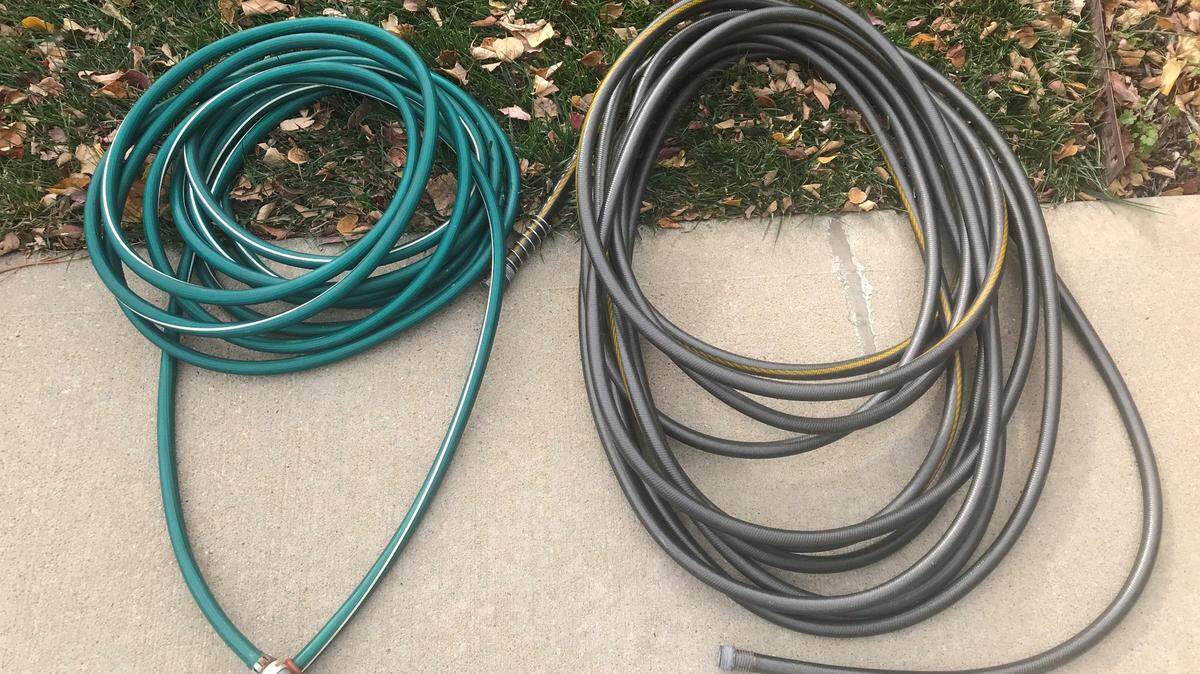
We frequently take our gardening equipment for granted. Tools that make chores in the garden easier are used, often misused and abused throughout the year.
The common garden hose may be one of the most neglected garden tools. However, it’s the lifeline for the garden, supplying vital water during dry weather.
As the season ends, take time to show some respect to this tubular piece of plastic. People frequently leave their hoses out all winter to suffer the effects of freezing and thawing conditions. Not only are winter conditions hard on us, but also our investment in the utilitarian hose.
Garden hoses are constructed of vinyl or rubber. Vinyl hoses are lightweight, prone to kinking and less durable. Rubber hoses are more durable but heavy. Both are designed to be flexible and yet rigid enough to supply water under pressure.
A quality hose can be an expensive investment and we would like to get years of service out of it before replacing. So, as we head into winter, here are a few tips to help your hose last longer.
Disconnect hoses from the faucet to prevent damage to the home. Outdoor faucets are self-draining, reducing the chance they will freeze and cause a pipe to burst. The design only works when the hose is removed. Once the water pressure is released, the self-draining feature functions.
Drain hoses for the winter. Water left in hoses expands. This expansion causes them to rupture. That means they will leak and need to be repaired or replaced.
After disconnecting the hose from the house, drain by lifting one end higher than the other, allowing the water to clear out. Emptying the hose of water prevents ice damage. You may need to repeat this process to remove all the water.
Next, properly store your hoses indoors or in a shady location to extend their life. Sunlight breaks down the vinyl and rubber materials, leaving them brittle and prone to cracks and leaks.
Coiling a hose for storage is simple but does take a little work. Hoses should be stored in a coil, but not so tight that a spiral causes a kink. A 3-foot diameter coil is easy to manage. Once coiled, you can store the hose in several ways.
Hose reels are handy but expensive and take up space in a cramped garage. Hose hangers have a gentle arch to reduce kinking and neatly hold the hose. Store the coiled hoses so that the support does not cut into the hose, which will lead to a weak spot.
Take time and show your ordinary garden hose a little love. Be sure to disconnect, drain, coil and store to help protect your investment. Next spring when you need your garden hose to come to your rescue, it will be ready for action for another season.
Dennis Patton is a horticulture agent with Kansas State University Research and Extension. Have a question for him or other university extension experts? Email them to garden.help@jocogov.org.
This story was originally published December 3, 2021 at 5:00 AM.