
Tackle these final garden chores of the year now for spectacular springtime results
The lawn care season is winding down for a winter’s rest. But before you store all the lawn equipment, here are a few tips to set you up for success come spring.
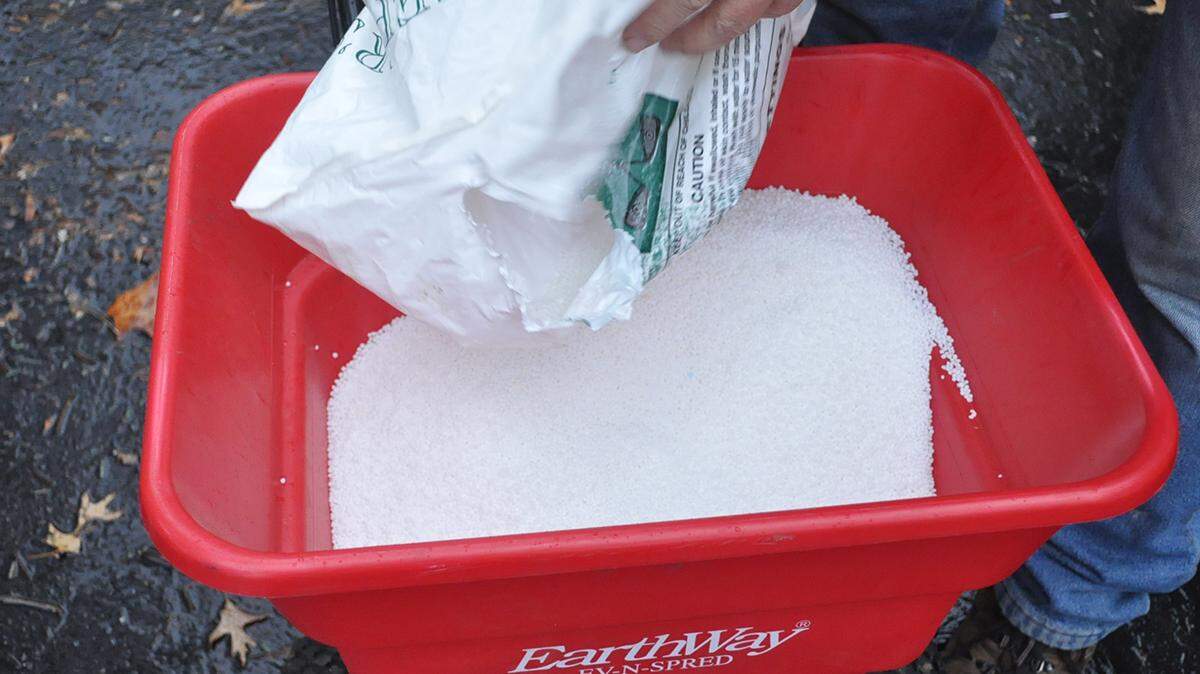
Fertilize one last time
Besides in September, the second most important time to fertilize is mid-November. Even though top growth has slowed, the soil is still warm enough to drive root development and build robust food reserves. In the spring, the lawns that receive fertilizer in November green up first without the additional top growth, hence less mowing.
Like September, the November application is a high nitrogen source. Phosphorus and potassium are not necessary. Nitrogen is converted into carbohydrates and stored in the plant.
Once spring arrives and soil temperatures increase, the grass awakens from the winter slumber and utilizes only what it needs. Early spring applications instead force the plant to uptake and use the energy.
The difference is spring applications are not stored energy but readily available energy that the lawn converts to top growth. This results in increased mowing, which can decrease summer tolerance to heat and drought.
Continue to mow
More than any other cultural practice, proper mowing sets the lawn up for success or failure. The recommended mowing height for cool-season bluegrass and tall fescue is around 3 inches.
Lower mowing heights can increase weed pressure by exposing the soil to more sunlight for germination. Mowing too closely robs the grass of leaf surface area to manufacture food needed for growth.
Additional leaf surface cools the soil, and the combination of all these most importantly improves or reduces the effects of a hot and dry summer. The result is a more drought-tolerant lawn requiring less watering.
The final mow of the season should be at this 3-inch height. Do not lower the mower deck or leave the lawn excessively long. Come spring, drop the mower a notch, remove the debris and return to 3 inches for the rest of the year.
Remove fallen leaves
Continue to get rid of any leaves accumulating on the lawn. A dense layer of leaves prohibits sunlight and can kill out the grass by spring. Remove leaves by raking, bagging, or better yet, mowing back into the turf.
Mulch mowing requires mowing based on leaf drop, not grass growth. Simply mow after a light layer of leaves cover the surface. Let the mower chop and return to the soil.
In areas of heavy leaf drop, you may need to remove leaves. Continue to mulch mow as long as the debris shades the turf.
Stop weeds now
Fall rains this year resulted in the germination of spring-flowering weeds. Now is an excellent time to treat with a broadleaf herbicide. By treating when the weeds are young and not yet established, control is more successful.
Spring treatments can be effective, but they come at a cost. Spring applied herbicides often drift and damage other ornamental plants causing deformed leaf growth.
Doing these last few chores now sets the lawn up for another growing season and a lawn that can be the envy of the block come spring.
Dennis Patton is a horticulture agent with Kansas State University Research and Extension. Have a question for him or other university extension experts? Email them to garden.help@jocogov.org.
This story was originally published November 12, 2021 at 5:00 AM.