
Wondering how and when to prune hydrangeas? Take tips specific to various species
When it comes to pruning hydrangeas, gardeners are often mystified. They are unclear on what to remove, how much to cut back, and when to prune.
Pruning hydrangeas is easy once you know the basics. How and when to prune depends on the species. Let’s break it down type by type.
The first rule for all shrub pruning starts with how or when it blooms. Does it bloom on old wood or new growth? Plants blooming on old wood and flowering late winter through May should be pruned after they flower. Pruning before spring flowers arrive cuts off the blooms.
Shrubs blooming on new wood will flower in June through summer and have flowers borne on the new growth that emerges once the weather begins to warm. These shrubs are pruned while dormant or starting to grow in the spring.
Hydrangea macrophylla – Bigleaf hydrangea
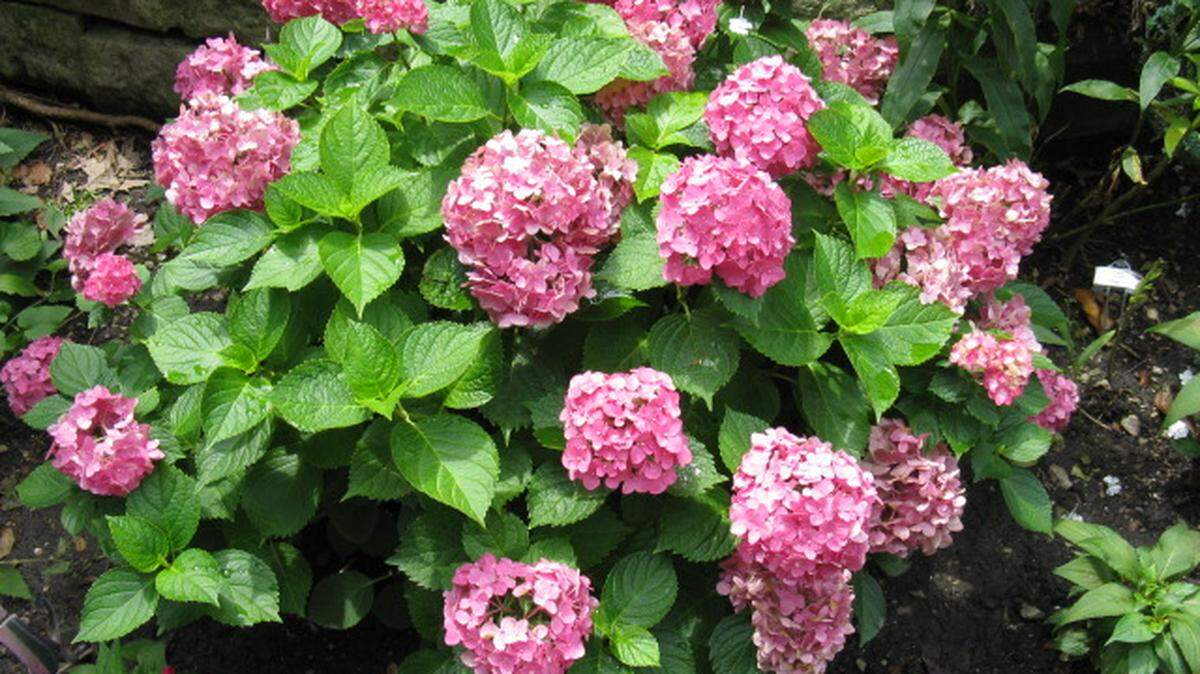
The hydrangea macrophylla includes the popular Endless Summer varieties, with blooms producing big rounded pink and blue flowers. They bloom best on old wood but can also set a flower late in the season on new wood.
They are pruned like old wood shrubs. Remove dead, winterkilled wood as growth begins. Do not remove healthy green buds as they could potentially contain flowers.
This plant frequently suffers winterkill from our harsh Midwest winters, often dying back to the ground. New growth appears from below the soil, but unfortunately, they will probably not flower.
Hydrangea quercifolia – Oakleaf hydrangea
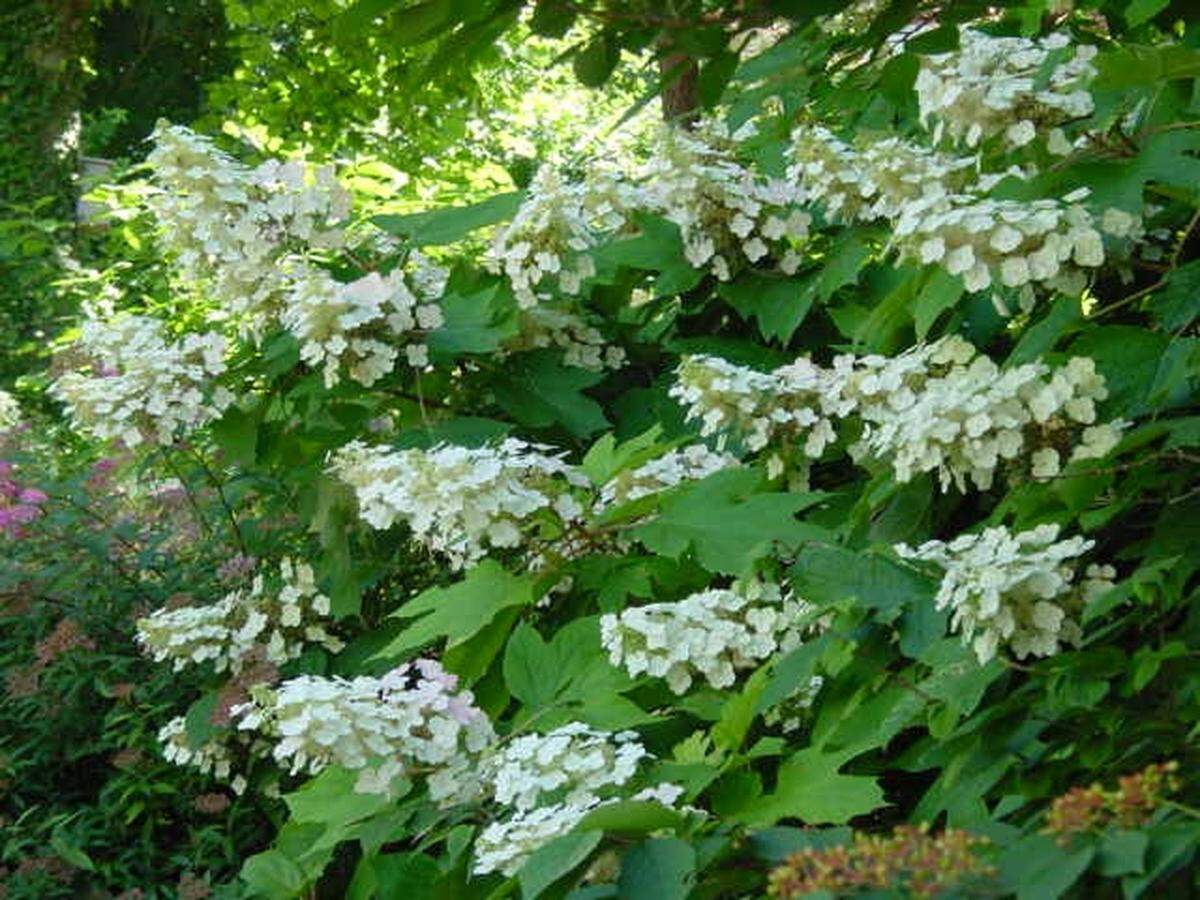
Oakleaf hydrangeas are recognized by their lobed leaf, commonly seen on an oak tree. They produce long panicles of white flowers in late May and June.
Oakleaf hydrangea blooms on old wood. Like macrophylla, limit spring pruning to dead wood. Flowers will emerge from the plump buds at the end of the branches.
The bulk of pruning should be done as the blooms start to fade to control the size and shape. Prune this species as little as possible. As the branches age, it develops beautiful cinnamon, peeling bark which is ornamental during winter months.
Hydrangea arborescens – Smooth hydrangea
Smooth hydrangea is known by the popular variety Annabelle. Blooms with large, softball-sized white flowers will appear on stems about 3 feet tall in June. There are pink flowering varieties available that are pruned in the same manner.
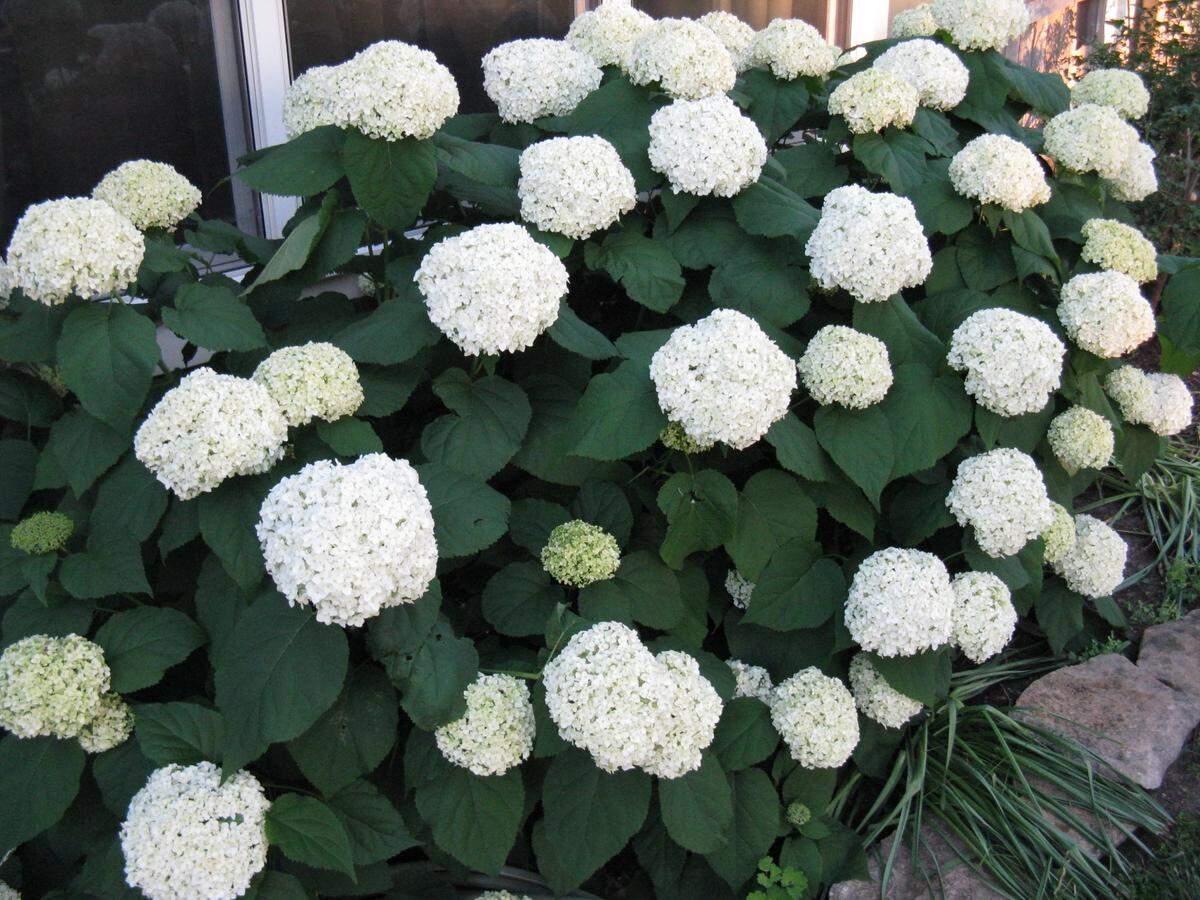
Smooth hydrangeas bloom on new wood. When the buds begin showing in the spring, cut it back to a set of strong buds close to the ground.
Pruning this plant makes gardeners nervous as all the growth is basically removed to within a few inches of the ground, but no need to panic. The remaining buds will grow and result in the desired showy flower.
Hydrangea paniculata – Panicle hydrangea
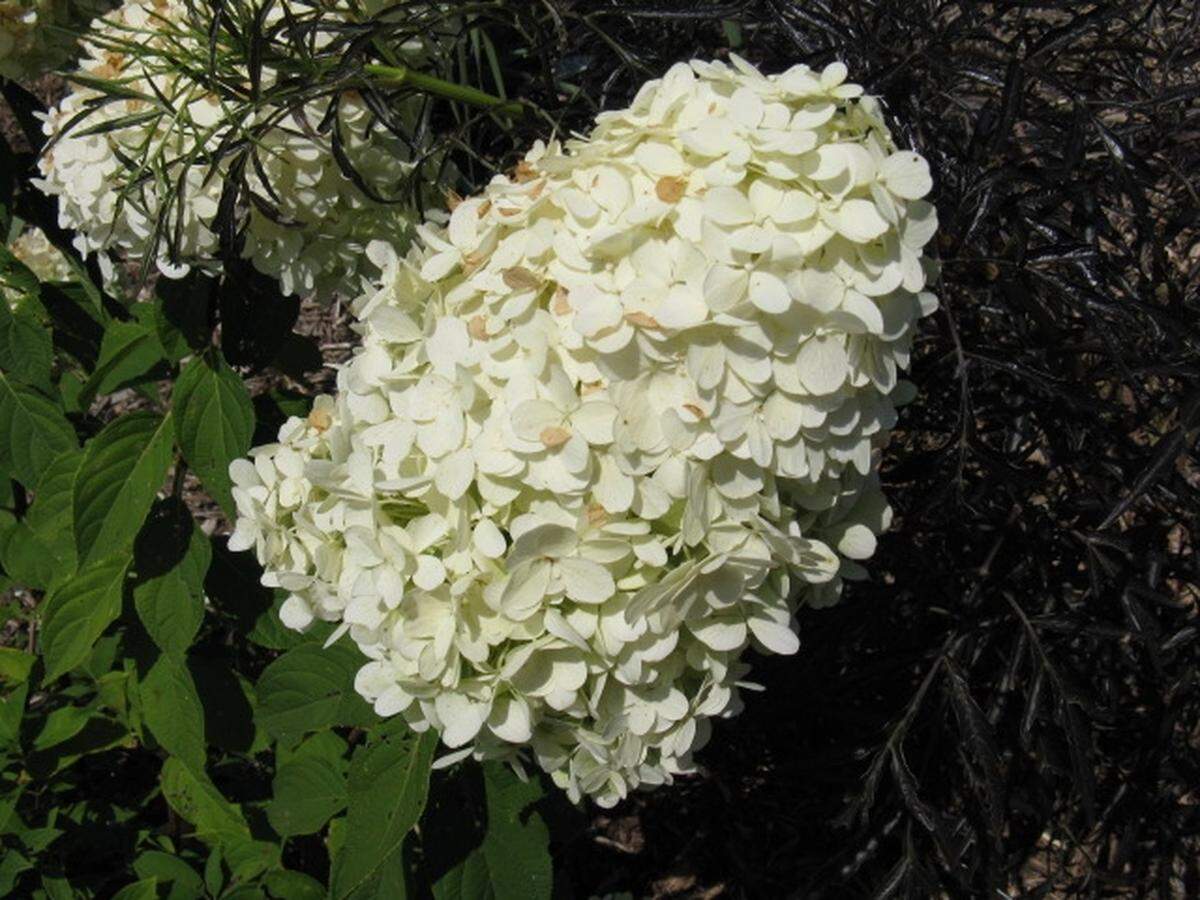
In July and August, panicle hydrangea produces cone-shaped white flowers, often developing a blush of pink. Since they also bloom on new wood, pruning tall branches back to a plump bud around 2 feet keeps the shrub compact and growing stronger stems. Remove any wispy limbs as the branches that are pencil to finger-sized produce the best flowers.
Pruning strikes fear in the hearts of many gardeners. But hydrangeas, if pruned at the right time and manner, will respond and add beauty to the landscape.
Dennis Patton is a horticulture agent with Kansas State University Research and Extension. Have a question for him or other university extension experts? Email them to garden.help@jocogov.org.