
Plan now to ensure one of the most lovely signs of spring will be ready to bloom
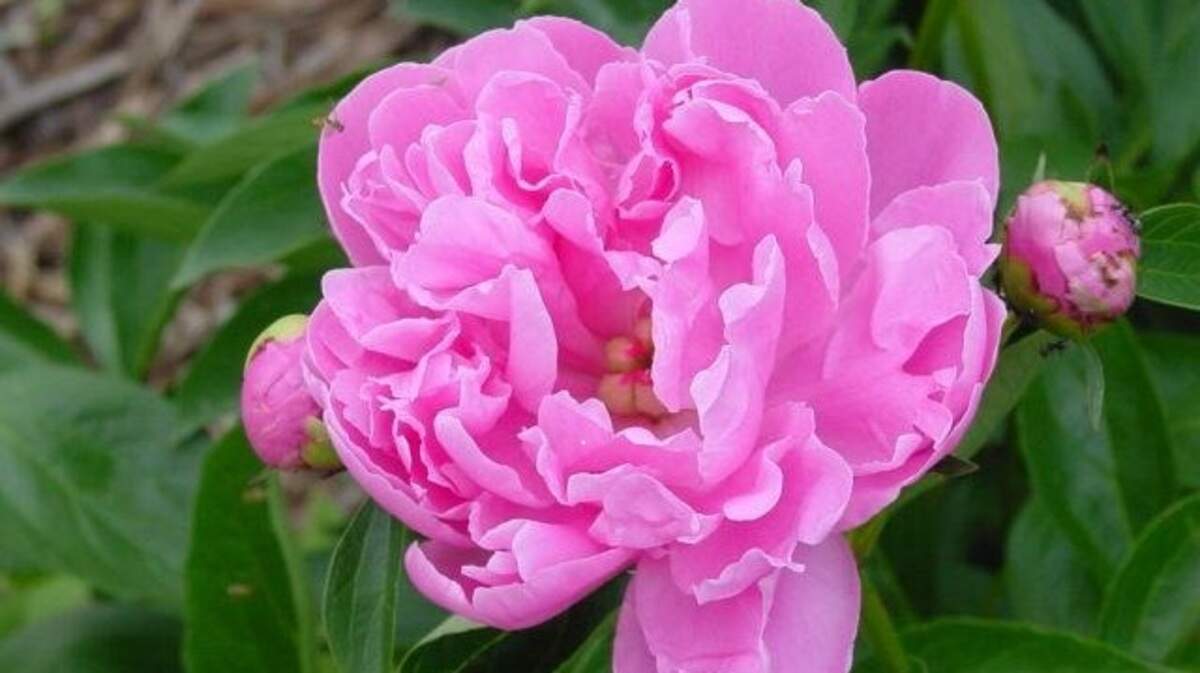
Peonies are a popular garden plant. You may have peonies handed down from a parent or a grandparent. I have several that belonged to my grandmother. The cheery flowers remind me of her each year when they bloom.
Peony plants on our family farm have been untouched for more than 50 years, yet continue to bring joy with their blooms each May. Peonies thrive in our climate with little care, making them some of the easiest and longest lasting garden perennials. In city gardens, a little care will help them shine brighter.
Garden peonies are herbaceous, meaning they die back to the ground each fall. New growth emerges in the spring and with it comes the big showy flowers. In the summer, peonies build up energy into the fleshy tubers for next season’s bloom. The green growth of the plants must remain all summer long to generate this energy. By the time they go dormant in the fall, next year’s flower bud is already set.
Once the plants start to yellow or brown in the fall, cut back to the ground. Early fall or after the first frost is the ideal time to cut back the plants. Cutting peonies in the fall removes foliar diseases and reduces infection next year.
Simply cut all the growth off at the soil level and discard. By doing this in the fall, the leaves are still intact and less likely to break apart, leaving behind diseased tissue. Do not add this foliage to the compost bin.
Because of the plant’s growth habit, September through October is the best time to divide, transplant or plant new peonies. Once fall arrives, the plants have enough stored energy for next year and are just coasting until winter arrives.
Planting in the fall allows the roots to establish in the warm soils. Then, come spring, they are ready for new growth.
Peonies can remain in the garden for several years without the need for division. But sometimes trees mature, garden layouts change or we just want them in a new spot.
The plant can be lifted and replanted. The eyes or growing points of the tubers should be about 2 inches below the soil surface.
Shading is one of the most common reasons for a lack of blooms. A full-sun location will result in the best flowering. Well-drained soil is a must.
Grandma’s peonies have long, weak stems, meaning the flowers flop when in full bloom due to the weight. The newer hybrids tend to be shorter plants with thick stems helping to hold the blooms upright.
Purchase new plants at local garden centers or through mail order. Breeding has resulted in new colors and stockier plants. Crosses with tree peonies result in yellow and coral colors. These are often referred to as Itoh hybrids.
Peonies are one of the best signs of spring. Take advantage of our beautiful fall weather and add new plants to the garden or do a little work to ensure blooms for many years to come.
Dennis Patton is a horticulture agent with Kansas State University Research and Extension. Have a question for him or other university extension experts? Email them to garden.help@jocogov.org.