
The secrets to successful vegetable gardening start with springtime effort
Whether you are a first-time vegetable gardener or a seasoned veteran, harvesting the fruits of your labor is the reward for all your work. Nothing compares to the delicious and nutritious bounty that you collect for yourself or share with friends.
Planting the garden is the beginning of this journey. As summer approaches, the maintenance stage begins that leads to real success.
Apply even moisture
Vegetables thrive when an even amount of water is applied on a regular basis. Uneven moisture stresses plants, reducing their ability to grow. The goal is to keep the soil at a continuous level of moisture. It takes about 1 inch of water per week to provide ample moisture for plant growth. This amount ensures the upper 6 to 8 inches of soil is wet, where the roots develop.
Ideally, rainfall supplies the needed water to your garden. As we know, rain is spotty in the Midwest and supplemental watering is necessary. The goal is to provide the water in one to two applications per week to deeply soak the soil. Watering more frequently may lead to overwatering, causing shallow roots.
Many vegetable diseases develop when the foliage is damp, so it is essential to know when and how to apply the water. Try to avoid getting the foliage wet, especially late in the day.
The foliage should be dry before sunset. The best time to water is early in the morning, but this is not always convenient for work schedules. The heat of the afternoon is acceptable, but higher temperatures and winds increase evaporation before the water reaches the soil.
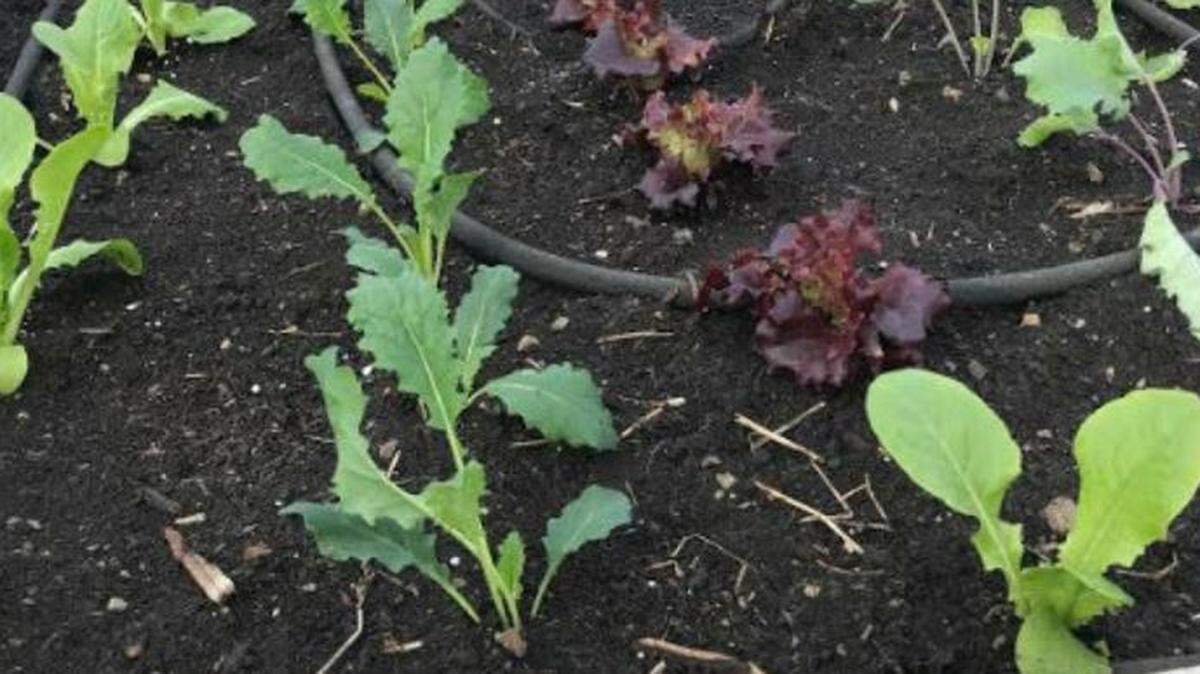
Overhead irrigation is acceptable but remember timing and damp foliage. Drip irrigation or watering at the soil level is ideal as it keeps the leaves dry and can be done anytime day or night.
Mulch is your friend
Weeds are the bane of existence for gardeners. They out-compete vegetables for food, water and sunlight. Small, just germinating, weeds are easier to control than an established weed with deep roots.
The first strategy for success in the war on weeds is to avoid tilling the soil. Every time the soil is disturbed or tilled, more weed seeds germinate. It is frustrating to cultivate a crop of weeds only to find more have popped up. If you must till the garden, avoid hoeing or tilling deeply. Instead, lightly skim or glade the hoe just under the soil surface. This reduces the chance of weeds sprouting.
Mulch is your secret defense. Like in ornamental beds, mulch shades the soil, stops weed germination, conserves moisture and provides cooler soil for better plant growth. Wood chips are commonly used in shrub and flower beds. In a vegetable garden, it is best to use a product that breaks down in one season.
Straw, leaves, grass clippings or newspapers make good vegetable garden mulches. Several inches spread around the plants and bare soil areas provide the benefit. These organic mulches break down over the summer. Once fall arrives, they can be tilled back into the soil to provide additional organic matter for soil improvement.
Apply mulch to the vegetable garden when there is adequate soil moisture and it is weed-free. Now that you’ve planted your vegetables, the real joys of gardening begin. That is, nurturing their growth and harvesting the bounty.
Dennis Patton is a horticulture agent with Kansas State University Research and Extension. Have a question for him or other university extension experts? Email them to garden.help@jocogov.org.