
Mulching is a surefire way to cut down on weeds, reduce watering and cool down plants
When we think of gardening, we don’t spend much time thinking about mulch. Face it, it is more fun to plant flowers and shrubs for the beauty they bring. But mulch is the unsung hero of the landscape, providing many advantages to make your life easier.
Benefits
Mulch serves as a blanket, covering and shading the soil. It prevents the sun’s rays from heating up the soil. Cooler soils in the summer increase root development.
Mulch deters weed seeds from sprouting as they require sunlight for germination. Watering needs are reduced as mulch holds moisture, slowing evaporation. Mulch breaks down over time, turning into organic matter, enriching the soil and creating an environment for healthy plants to thrive.
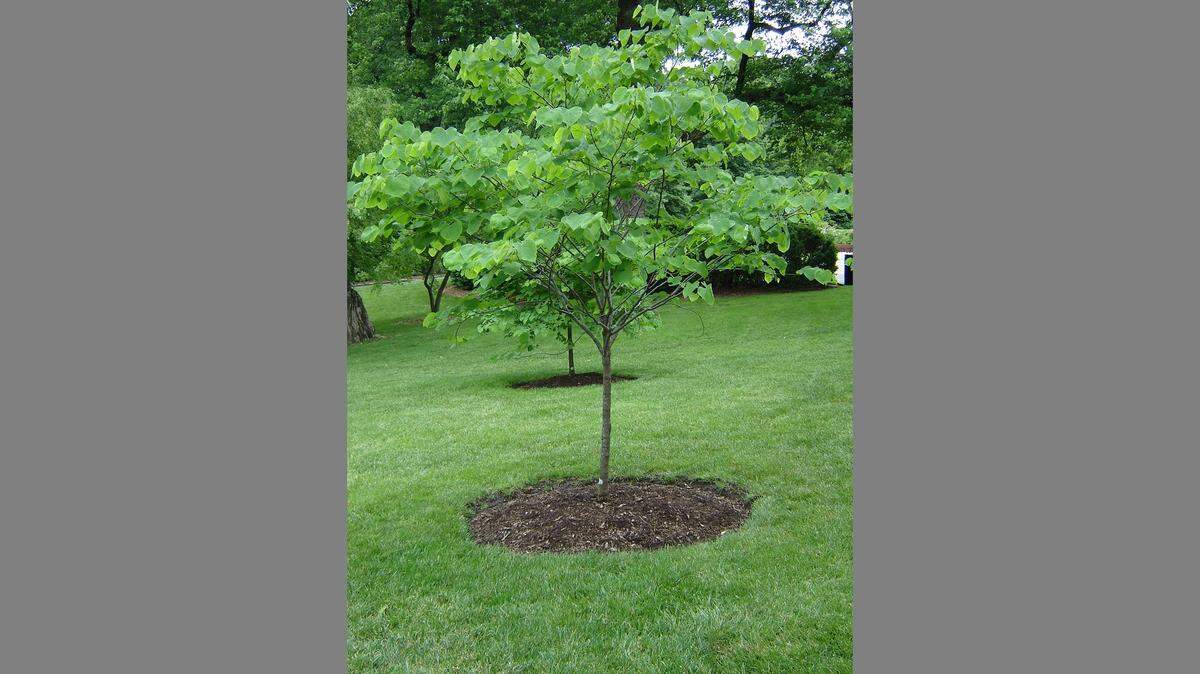
Research shows the benefits mulch has on plants. The most striking result is with tree development. Compared to grass competition, a ring of mulch around a young tree has shown the mulched tree will double its growth over 10 years.
Proper mulching
The depth of the mulch is essential to obtain the maximum benefit. When applying mulch, a 3-inch layer is ideal. Skimping on mulch saves money, but the benefits are lost. Mulching over 4 inches deep excludes oxygen. Place the mulch directly on the soil surface. Landscape fabric placed under the mulch is not necessary.
Lay the mulch around the plants, keeping it away from the stems of perennials, annuals and vegetables. Avoid mounding mulch at the base of tree trunks and shrubs, or what is referred to as volcano mulching. Damp mulch will rot the bark layer and weaken or kill the tree. I like to say when mulching think of a doughnut: you want a hole in the center around the plant.
Material to use
Purchasing mulch can be confusing as the choices seem endless. Hardwood, cypress, pine, ground, double ground, black, brown and red are some of the most common varieties. The best mulches for the landscape are natural sources, usually a wood material. Selection depends on your preferences and budget. All organic mulches provide the same benefit. Plants don’t know what it looks like.
Dark, natural colored mulches tend to be popular and pleasing to the eye. While mulch provides a valuable function, it is the backdrop for the stars in your landscape. Color should not come from the mulch, but from the flowers, trees and shrubs.
Rock as mulch
Inorganic rock mulch is an option. The downside of wood mulches is they break down and must be replenished regularly. For this reason, this makes rock seem like an attractive alternative, a one-and-done. But for most landscape projects, these materials should not be used.
Rocks do not provide the benefits of wood products and, in the long run, are more of a hassle. Over time, they sink into the soil and fill with dust. The result is weed seeds growing in the dust that are blown in or dropped by birds. Tucked into those hard to reach spots, weed growth becomes difficult to control. Replanting any shrubs or flowers requires more effort due to the underlaying fabric. Removal of the rock in the future is nearly impossible as they must be picked up one by one.
Use inorganic rocks in low maintenance areas or to solve a problem in the landscape.
Mulching is work and can be costly, but the benefits provided are a good return on the investment. Mulch improves the soil, reduces watering and saves time controlling weeds resulting in healthy plants and a beautiful landscape.
Dennis Patton is a horticulture agent with Kansas State University Research and Extension. Have a question for him or other university extension experts? Email them to garden.help@jocogov.org.