
Temperature swings make a difference in plant growth
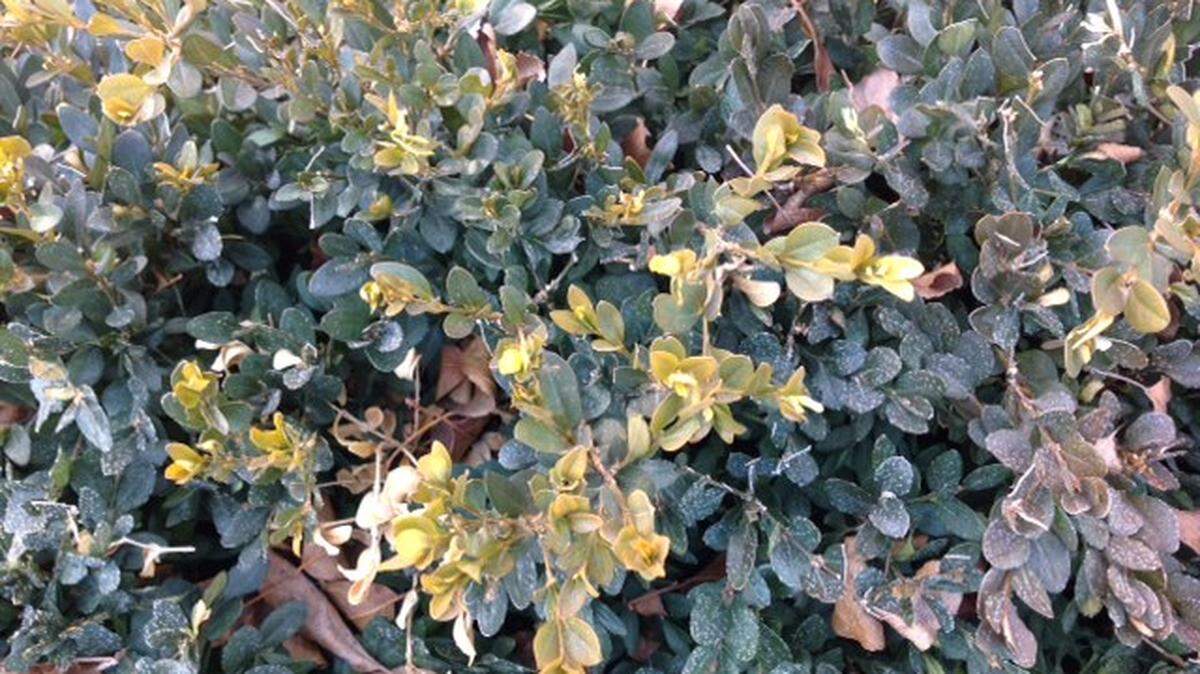
Once again, the region experienced weather extremes this fall — this time with a sharp change in temperature. Any plant not fully acclimated to the temperature swings can experience winterkill.
The Kansas Mesonet weather data network shows the full range in temperature felt since the arrival of fall. Our first freeze of the season occurred on Oct. 12 when the data center in west Olathe recorded a low of 31 degrees. Just about a week earlier, our overnight low was 70 degrees.
A month later, on Nov. 12, the bottom fell out when the Olathe reporting station hit 2.9 degrees for a low. Not only do we personally struggle to cope with these rapid changes, but so do plants.
The timing on when plants go dormant is based on fewer daylight hours and decreased temperatures. The process includes slowing growth and hardening of tender tissue to survive the cold conditions. When the plant does not have adequate time to prepare, then the rapid change creates problems.
Plants are most at risk of temperature injury early in the fall or in the spring after growth begins. The tissue is immature and has not yet developed a protective layer. Tender growth that developed late in the season or in early spring often shows injury.
Freezing conditions kill the cambium layer as it has no time to prepare for the cold. Evidence of damage can be seen in tip dieback, twiggy growth, or, in worst-case scenarios, larger branch death.
Plants most at risk are broadleaf evergreens, like boxwood, as they tend to push growth late in the summer or break bud early in the spring. Roses experience a similar growth habit. Hydrangeas, which flower on old growth, are highly susceptible as the tender growth at the tip contains the flower for the coming spring.
Unfortunately, there is no way to combat the swings in temperature. But a few strategies can aid us in helping plants withstand these freeze cycles.
Pruning stimulates new growth, so avoid late summer or fall pruning. This new growth does not have time to mature and is most likely to be damaged by a fall freeze. Spring damage is harder to prevent. Plants break bud and grow based on the weather patterns. Once spring growth begins, it is very tender, immature and likely to be damaged.
Plants with adequate soil moisture tolerate winter temperature better. In looking at the Kansas Mesonet system again, it reveals an interesting statistic. Since the first of October, only 1.83 inches of rain has fallen. No fall rain event provided a deep soil soaking. Even though this has been one of the wettest years on record, it is a good idea to soak those plants most at risk before winter arrives.
For now, we just need to wait and see how much damage occurred. Time will tell as the plants start to break bud or not come spring. Oh, it is always something with the weather.
Dennis Patton is a horticulture agent with Kansas State University Research and Extension. Got a question for him or other university extension experts? Email them to garden.help@jocogov.org.
This story was originally published November 29, 2019 at 12:00 AM.